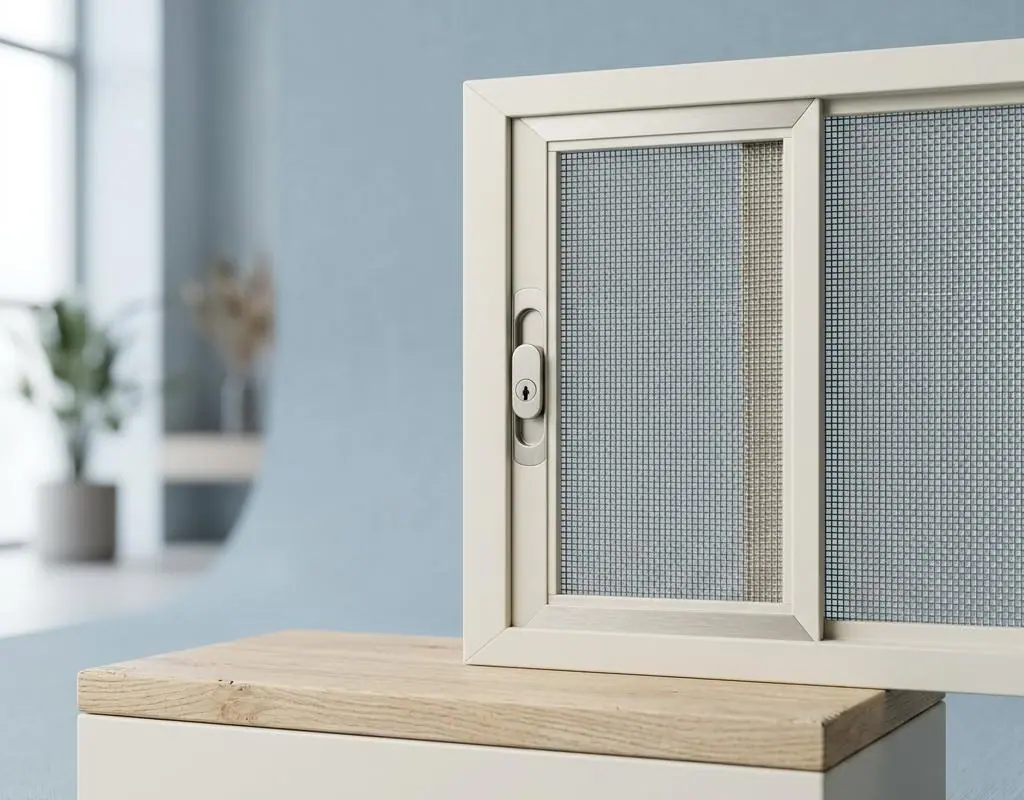
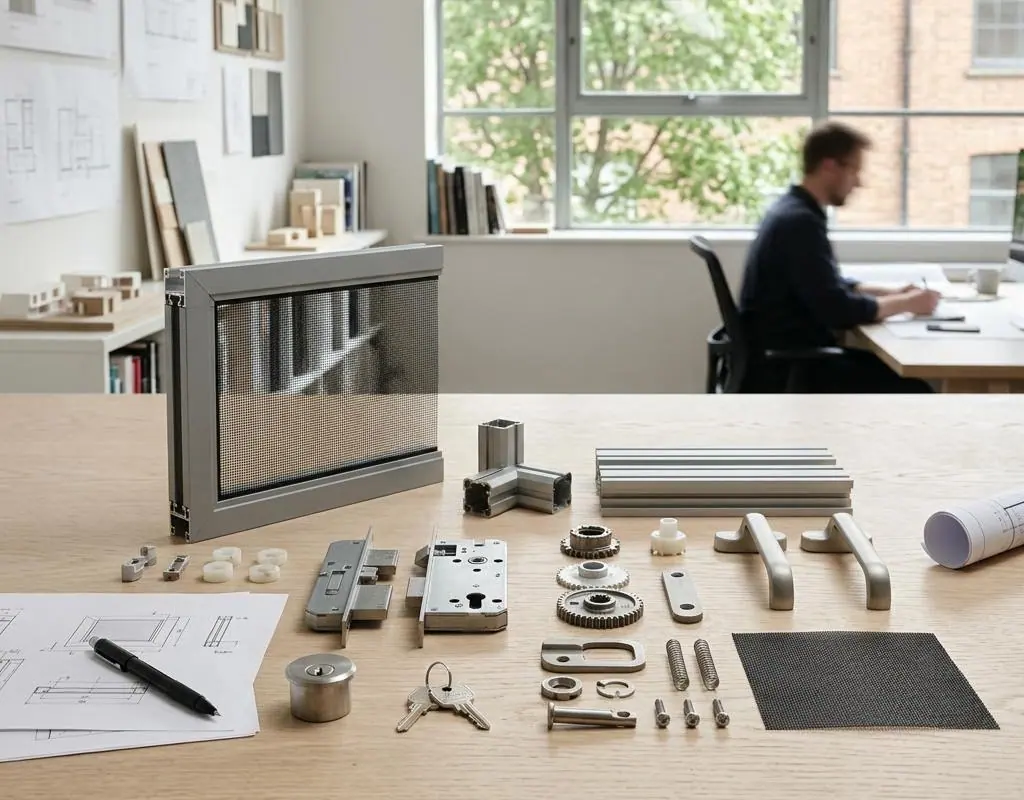
Short answer:When handing over window screens, check one by one according to the confirmed style for position, edges, locks and normal opening and closing, and have the installer demonstrate the cleaning and reset methods. Do not use pushing or bumping, heavy objects, or letting the cat try to pounce as acceptance tests; visible inspection and normal operation cannot prove load-bearing capacity, nor can they replace a professional inspection of the window structure.
First match item by item against the quotation
Confirm the position, style and quantity one by one, especially noting the nearby bedroom windows and door items. Make sure you are looking at the newly installed portion in this visit; do not treat any original untreated locations as already accepted.
If it differs from the confirmed content, raise it first and keep a record, then discuss the next steps. Payment, warranty and other terms should be subject to the confirmed content of that order; this text does not create any additional commitments.
How can the mesh and the edge areas be checked?
Check from a normal indoor viewing angle whether the screen has any obvious damage, whether the edges are aligned, and whether there are any visible abnormalities around it, and ask the team to explain the design joint positions. Do not dismantle the edge yourself to inspect the inside.
If corners are lifting, parts are out of place, or it differs from the sample, point it out immediately. A surface that looks flat to the naked eye does not mean support certification, nor does it mean it will never need checking again.
Which actions need to be understood in person?
- As demonstrated, open and close the window sash and mesh normally, without forcing it or going past the limit stop.
- Confirm how the latch indicates that it has been properly fastened, rather than just pulling the mesh closer.
- Understand the sequence of contact with the window handle, cleaning and retraction.
Before operating, isolate the cat. If there are different users at home, everyone who opens the windows should understand the method, so that only the one who receives the technician does not know how to close and lock it.
Should curtains and window grilles also be tried together?
It should be checked in the normal usage state to see whether there is any collision, obstruction of the latch, or jamming of the track. If the screen runs smoothly when pulled alone, but cannot be operated normally after the curtain is lowered, this should also be raised upon handover.
No. Do not accommodate by pulling hard, bending the screen frame, or keeping the latch half-open for a long time. An unresolved use conflict cannot be replaced by reminding family members to “be careful.”
At handover, ask clearly about cleaning and repair reporting methods
Confirm which parts can be cleaned by yourself, which parts cannot be removed, whether there are any specified product restrictions, and what abnormalities require immediate discontinuation. If you do not know whether the material is suitable, do not test it yourself with solvents or lubricants.
Record the location, style and contact details; if convenient, with consent, note down the demonstration steps for normal operation to avoid having to reassemble later from vague memory.
What does not belong to things that can be proven by ordinary handover?
Handover is not a fall-prevention test, and it does not equal a window inspection under the Buildings Department system. Problems with window hinges and securing the window sash must be handled separately and appropriately; they cannot be ignored simply because a new screen is covering them.
The SPCA’s cat-keeping recommendations remind people of the importance of window protection, but they do not provide a guarantee for any individual installation. After use, you still need to check the condition, lock it properly, and manage your cat when the screen is open.
Useful links and reference sources
- Cat screen service: style and installation assessment
- Mosquito net service: door and window mosquito-prevention choices
- Full price list: check styles, units and reference prices
- Enquiry and appointment: provide on-site photos and usage needs
- Buildings Department, Hong Kong: Common Questions about Window Repairs:Window components will be affected by use and the environment, so they must be properly inspected and maintained; window body inspection is different from self-inspection of the window screen.
- The Society for the Prevention of Cruelty to Animals in Hong Kong: Adopting and Caring for Cats:General cat-keeping advice for the protection of residences and windows, and not a test, load-bearing certification or recommendation of the products on this site.