Short answer:After wind and rain, once the environment is safe, check from indoors whether the window sash, mesh, frame, and locks have any looseness, displacement, or damage that differs from before. Do not open the window in strong wind for testing, lean out to take photos, or pull on steel wires; if anything abnormal is found, first restrict access and arrange an inspection. A normal appearance does not mean it has passed structural requirements.
Wait until it is safe; do not open the window just to inspect.
If there is still strong wind, flying debris or an unsafe surrounding area, do not open the window sash or move close to the outside side just to see the window screen clearly. First ensure that people and pets stay away from any doubtful area.
After the environment is safe, observe only from a normal standing position indoors. Areas at height, on the outside, or blocked by equipment should be inspected by suitable personnel according to actual conditions.
Record the window frame and mesh separately
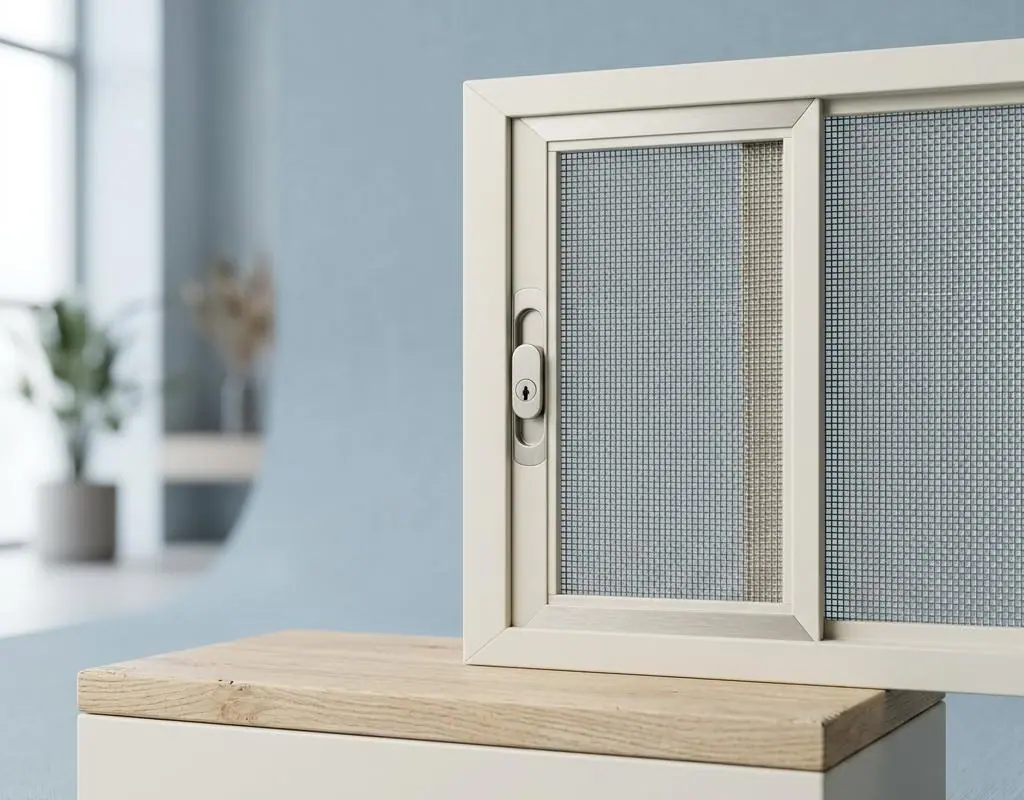
First look at the original window sash, window frame, and visible accessories, then record the mesh, fixing edges, and latches. The two may be affected at the same time, or only one part may be abnormal.
The Buildings Department’s window maintenance information reminds you that components such as window hinges, screws and rivets need proper inspection; newly installed window screens cannot replace maintenance and inspection of the original window body.
Which visible changes need to be reported?
- The originally flat position has become sagging, raised, or noticeably displaced.
- Mesh damage, abnormal joints or objects stuck in it.
- The lock buckle cannot be used normally, or the sash itself is unstable.
Comparing with photos taken during installation or handover can help describe changes, but you cannot conclude that the internal fixing is definitely reliable just because no problem can be seen.
Why can't you tighten it yourself or do a load-bearing test?
Pulling hard by hand, hanging objects, or pushing and bumping may change the affected position, and cannot be used to prove compliance with any load-bearing standard. The balcony steel wire is also not a handrail for people.
Do not adjust tension, drill new holes, or twist unknown fixings yourself. If the condition of the original components is unclear, keep the current state and arrange an on-site assessment.
What before-and-after information should be recorded when reporting a repair?
State the room or balcony location, when it was discovered, how it differs from the original condition, and whether the window can currently be safely closed. Provide a full indoor view and close-up photos of the abnormal area; there is no need to repeatedly operate the fault for the video.
If other work was just carried out, you may also explain that, but do not determine responsibility on your own solely based on when the issue was discovered. The scope of repair and applicable terms must be confirmed according to the actual information.
In what situations is it suitable to resume use?
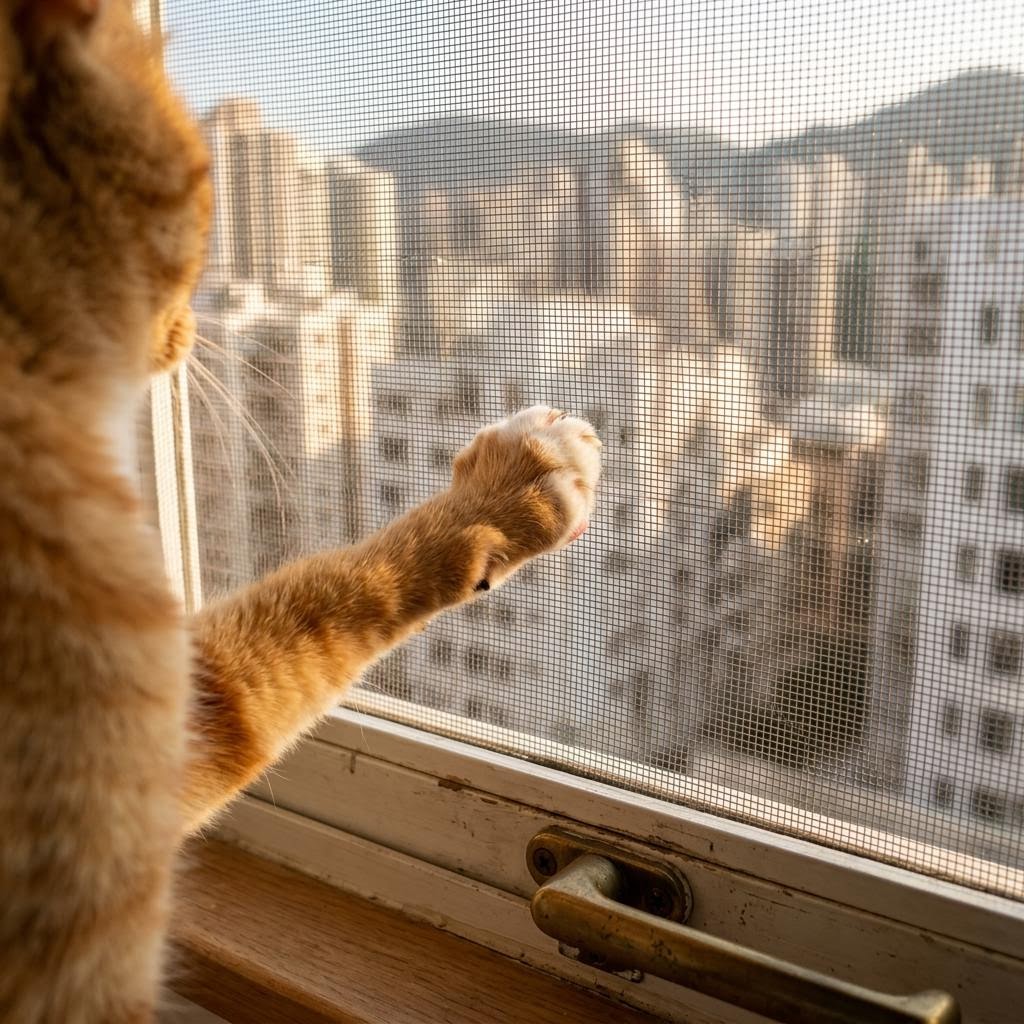
Before the abnormality is clarified, do not let the cat approach the relevant opening. If it can be closed, close it properly first; if it cannot be operated safely, restrict access and contact us for inspection. Do not assume the problem has disappeared just because the weather has cleared.
The Society for the Prevention of Cruelty to Animals in Hong Kong's protection advice does not mean that any screen can withstand all wind and rain. After inspection, you still must operate according to the actual product instructions, and daily checks cannot guarantee complete fall prevention.
Useful links and reference sources
- Cat screen service: style and installation assessment
- Mosquito net service: door and window mosquito-prevention choices
- Full price list: check styles, units and reference prices
- Enquiry and appointment: provide on-site photos and usage needs
- Buildings Department, Hong Kong: Common Questions about Window Repairs:Window components will be affected by use and the environment, so they must be properly inspected and maintained; window body inspection is different from self-inspection of the window screen.
- The Society for the Prevention of Cruelty to Animals in Hong Kong: Adopting and Caring for Cats:General cat-keeping advice for the protection of residences and windows, and not a test, load-bearing certification or recommendation of the products on this site.