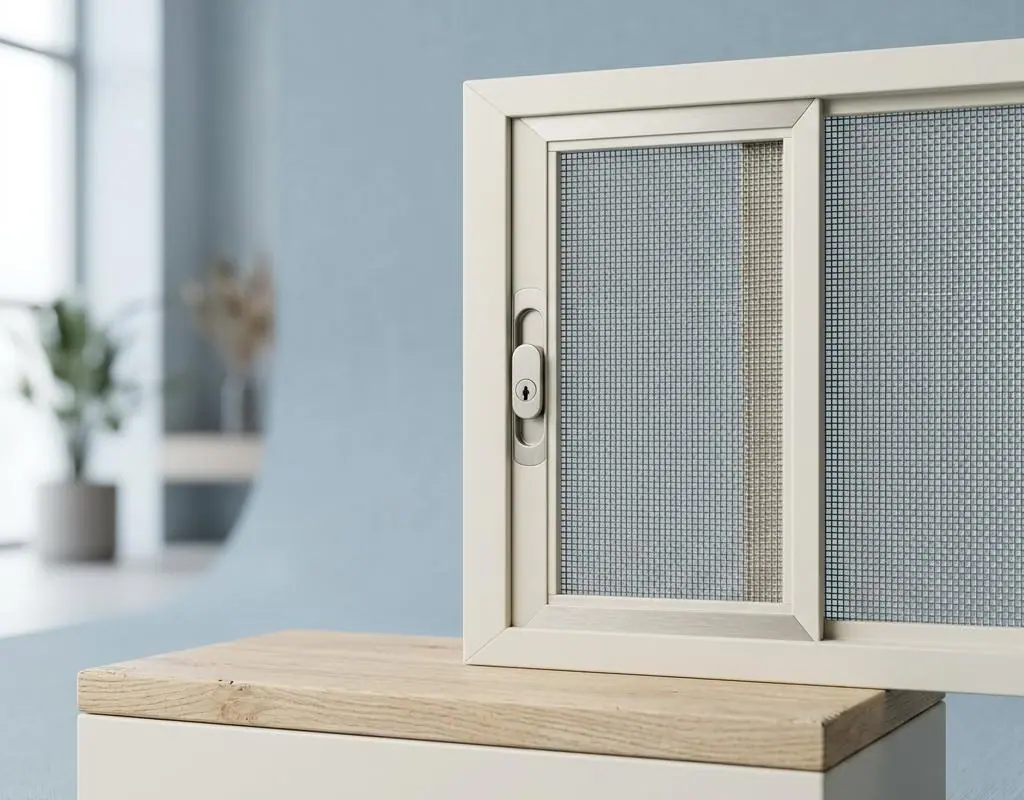
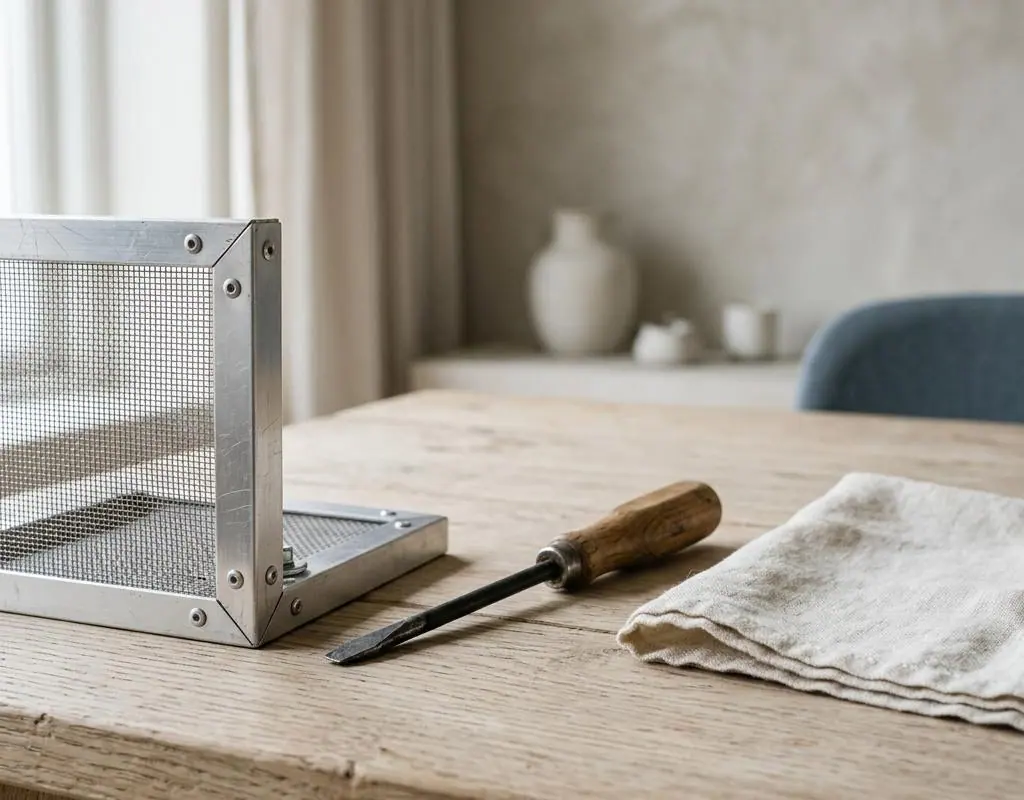
Short answer:Whether cat screens should be repaired or replaced cannot be decided only by how many years they have been used. First distinguish which part is abnormal: the mesh, frame, lock, fixing surface, or the original window structure, then confirm whether the accessories and on-site usage are still suitable. If only a local issue can be dealt with, it does not mean the entire set must be replaced; when the intended use or fixing conditions change, you also cannot just patch the surface.
First stop using the abnormal opening, then discuss repair options
If the mesh is torn, the edge is loose, or it cannot be fastened properly, first keep the manager and the cat away, and close the window when it is safe to do so. Do not keep using a problematic mesh as a normal barrier just to wait for a quotation.
Take photos of the overall condition and any abnormal areas, marking the location, style and time found. Age information is helpful, but it is not the only criterion, and you should not set a uniform replacement interval for all products yourself.
It will be clearer to divide the issues into four categories
- Mesh: holes, sagging or abnormal sealing.
- Frame and latch: shifted, deformed, stuck, or unable to lock normally.
- Fixed surface: the condition of the coating, substrate or bonding position has changed.
- Existing window structure: abnormal window sash, window hinges, or other components.
Different problems cannot be handled with only one mesh-repair method, and you cannot look only at the center mesh still being intact and ignore other areas.
Which information helps assess partial repairs?
Provide photos that clearly identify the style, the original records, and whether there were any modifications before. The team needs to understand the suitability of the accessories, the fixing condition, and whether normal operation is possible after handling.
Whether only the mesh, lock, or other parts can be replaced cannot be determined solely from online articles. Do not buy seemingly similar parts yourself, or ask to force-fit unknown accessories.
In what situations should the overall plan be re-evaluated?
For example, originally it was only for insect protection, but now cats have been added; after replacing the window, the size and fixed surface are different; or changes in the home mean the screen cannot operate properly. These are changes in purpose and conditions, not just a matter of patching holes.
If there are also problems with the frame or fixing surface, clarify the scope of the work. Reassessment does not mean that every screen in the home must be replaced, but new limitations must not be ignored simply to retain the old screen.
How should repair and replacement quotations be compared?
Please list separately which location is to be handled, which parts, which parts are to be kept, whether removal is involved, and any remaining window body issues to be dealt with. For the total amount, compare the range that can be normally used after completion.
Maintenance and costs should be confirmed according to the actual order or inspection results, and cannot be assumed to be free or definitely not covered based on years of use. Before accessories and the on-site condition are confirmed, the website reference price is not a repair commitment.
How can similar problems be prevented from being overlooked again after completion?
Re-understand the method for locking, cleaning and reporting repairs; keep records of the location and handling. If the condition later differs from the demonstration, stop the relevant operation first and do not deal with it by forcefully pushing or pulling.
The Buildings Department points out that windows do not have a single fixed lifespan and must be properly used and maintained; this is window-body information and cannot be directly treated as the lifespan of a window screen. The SPCA protection advice also does not amount to any fall-prevention guarantee after maintenance.
Useful links and reference sources
- Cat screen service: style and installation assessment
- Mosquito net service: door and window mosquito-prevention choices
- Full price list: check styles, units and reference prices
- Enquiry and appointment: provide on-site photos and usage needs
- Buildings Department, Hong Kong: Common Questions about Window Repairs:Window components will be affected by use and the environment, so they must be properly inspected and maintained; window body inspection is different from self-inspection of the window screen.
- The Society for the Prevention of Cruelty to Animals in Hong Kong: Adopting and Caring for Cats:General cat-keeping advice for the protection of residences and windows, and not a test, load-bearing certification or recommendation of the products on this site.