Hong Kong has a humid climate with distinct seasons, providing a good growth environment for various living things, among which mosquitoes are one of the most common insects. Mosquitoes not only cause inconvenience to humans, but may also spread a variety of diseases, such as dengue fever and Zika virus. Therefore, understanding the mosquito species in Hong Kong and their characteristics is crucial for effectively preventing mosquito breeding and safeguarding public health. This article will introduce the main mosquito species in Hong Kong and their characteristics to help readers raise their awareness of mosquito prevention.
Common types of mosquitoes
1. Aedes albopictus
The dengue mosquito, also known as the white-striped Aedes mosquito, is one of the most common mosquitoes in Hong Kong. Its characteristic feature is a black body with obvious white stripes, especially on the legs. This mosquito is mainly active during the day and likes to lay eggs in places with standing water, such as the bottoms of flower pots and rain gutters. The dengue mosquito is the main vector of dengue fever and the Zika virus, so control and prevention work is particularly important.
2. Aedes aegypti
Aedes aegypti is similar to Aedes albopictus, but the white markings on its body are more distinct, and it is usually smaller in size. This mosquito mainly breeds in urban environments, especially near water sources. Aedes aegypti is an important mosquito species that transmits dengue fever, yellow fever, and West Nile virus. Because of its strong breeding ability, control efforts cannot be ignored.
3. House mosquito (Culex pipiens)
House mosquitoes are another common type of mosquito in Hong Kong, mainly active at night. They are relatively large in size, mostly dark brown in colour, and have obvious markings on their wings. House mosquitoes mainly breed in sewage and standing water, and are commonly found in streets, rivers and other places. This type of mosquito can spread a variety of diseases, including Japanese encephalitis. Therefore, early prevention and control work is very necessary.
4. Culex tritaeniorhynchus
Field mosquitoes are often found in farmland and wetlands, and are usually active at night. Their features are a grey body and silver spots, and they are relatively large in size. The main breeding environment of field mosquitoes is stagnant-water rice fields, and they are one of the main carriers of Japanese encephalitis. Because this type of mosquito is closely related to agricultural production, special attention should be paid to its control in agricultural areas.
Measures to prevent mosquito breeding
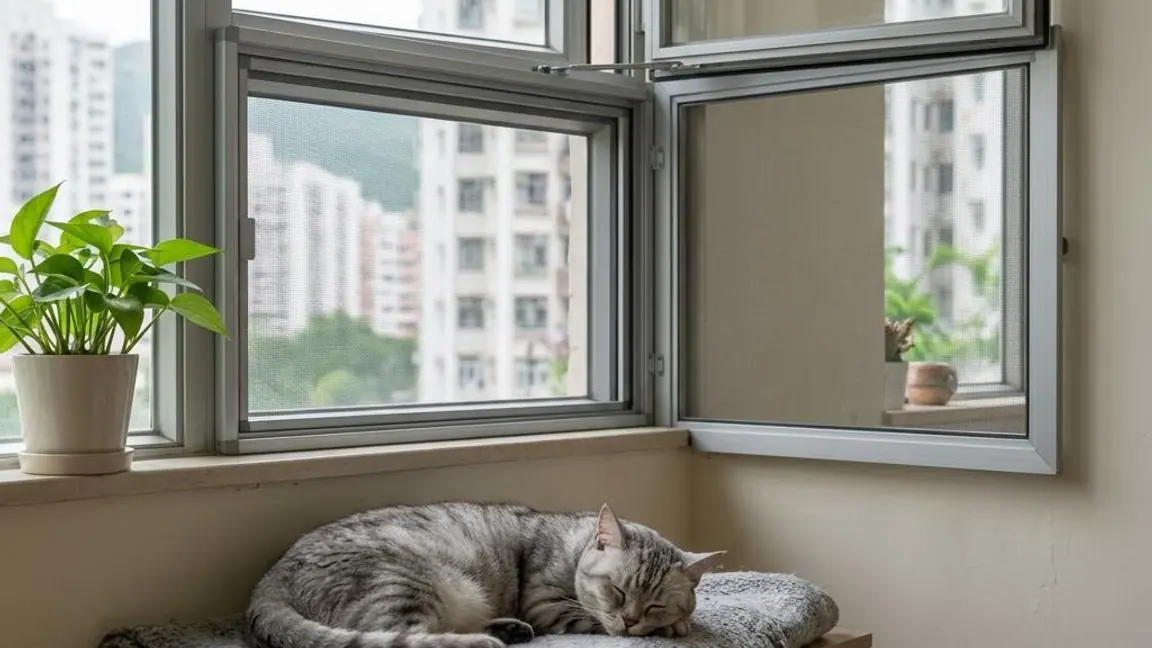
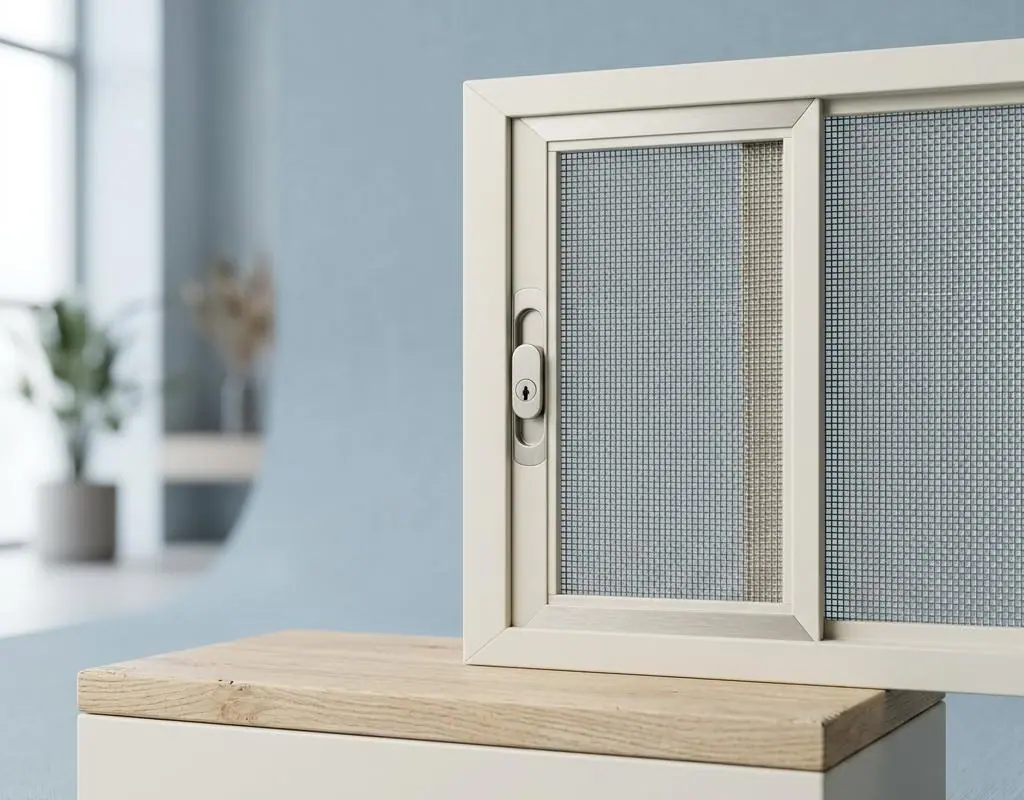
After understanding the types of mosquitoes in Hong Kong, it is crucial to take effective preventive measures. First, regularly inspect your home and the surrounding environment, and remove sources of standing water, such as flower pots, rain gutters, etc., to reduce mosquito breeding sites. Second, consider using insect screens, mosquito repellent and other protective measures to safeguard the safety of the living environment. In addition, keeping indoor ventilation good and using air fresheners and scented candles can also effectively reduce mosquito intrusion.
Looking for professional team help to install insect screens
If you want to effectively prevent mosquito intrusion at home, finding a professional insect screen installation team is a wise choice. These professional teams have rich experience and skills, and can design suitable insect screens according to different windows and door openings, while ensuring the firmness and appearance of the installation. Professional installation services can not only effectively prevent mosquitoes from entering, but also maintain good ventilation, making your living environment more comfortable.
There are many mosquito species in Hong Kong, and each species has its own specific breeding environment and potential risk of spreading disease. Understanding these mosquitoes' characteristics and preventive measures can help us better protect the health of ourselves and our families. Regularly checking the environment, removing standing water, and installing insect screens are all effective prevention methods. If further protection of the living environment is needed, seeking help from a professional team will be a wise choice. We hope this article can help you raise your awareness of mosquito prevention and create a safer living space.