
Back to the window screen encyclopediaGuide to installing cat screens for adopted cats

Guide to installing cat screens for adopted cats

Table of contents

Because there have been too many accidents of cats accidentally falling from buildings, and in view of this, most organisations that offer cat adoption require adopters to install window screens before adoption for the cats' safety. The cost of installing window screens varies according to budget, but the basic principle is that the width of the screen must not allow a cat's head to pass through. Generally speaking, the mesh width of the grid screen should not be more than 1.5 in x 1.5 in, and the gap between the window edge and the grid screen should not exceed 1 in. In fact, there are many ways on the market for adopters to make their own window screens or replace window grilles.

Installing cat screens for adopted cats | Why install cat screens?

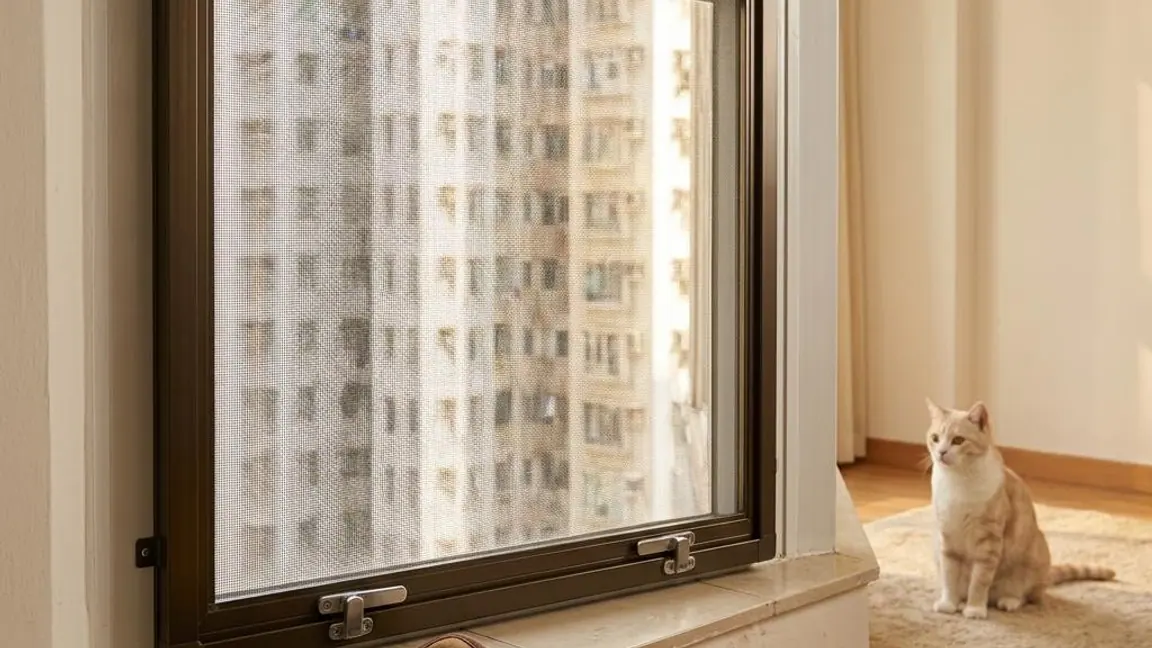
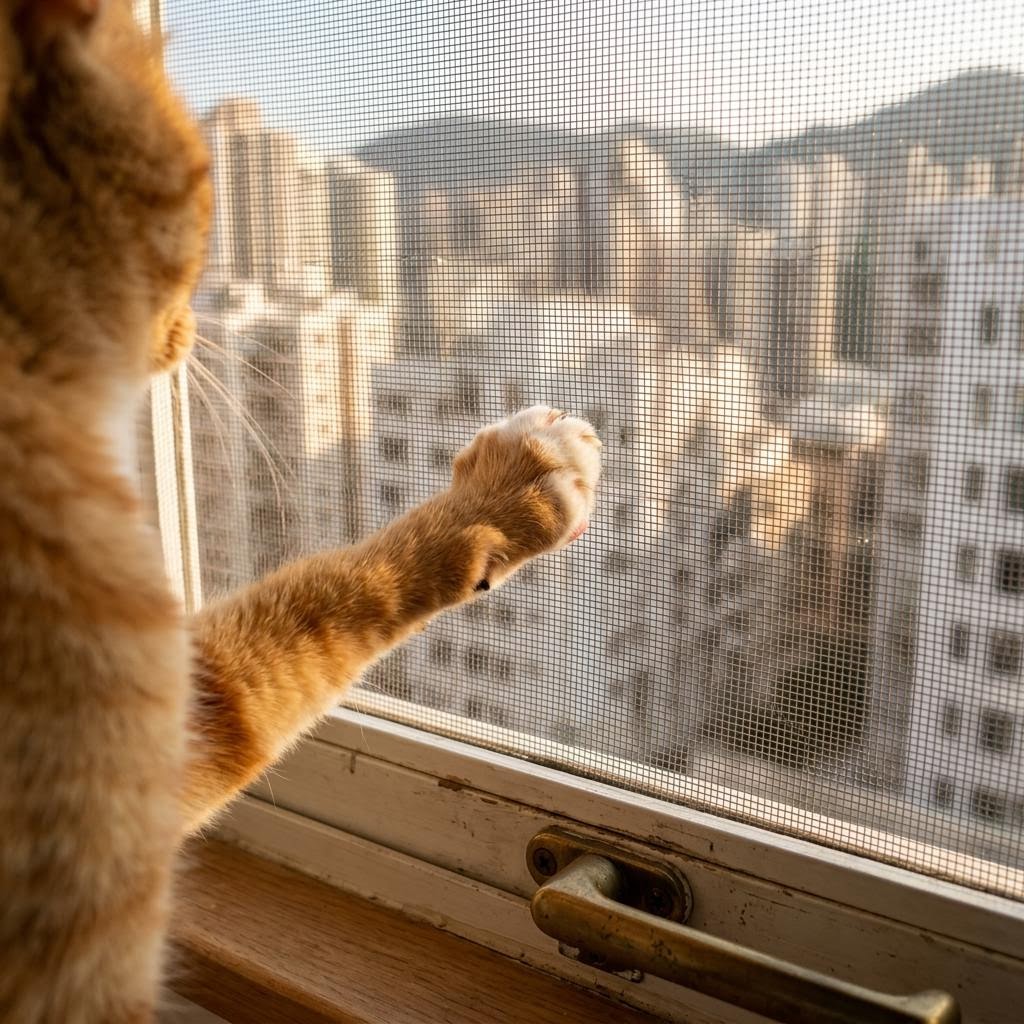
The main function of cat screens is to prevent cats from jumping out through windows, balconies, or other open areas, thereby preventing accidents. Cats are highly curious and will often try to jump out of windows because of birds or moths outside. Even a well-trained cat may slip and fall due to panic, so no matter where you live, you should consider installing cat screens on windows or balconies.

Installing cat screens for adopted cats | Choosing the right cat screen

Choosing a suitable cat screen is an important part of ensuring cats' safety. The following are several factors to consider when choosing a cat screen:

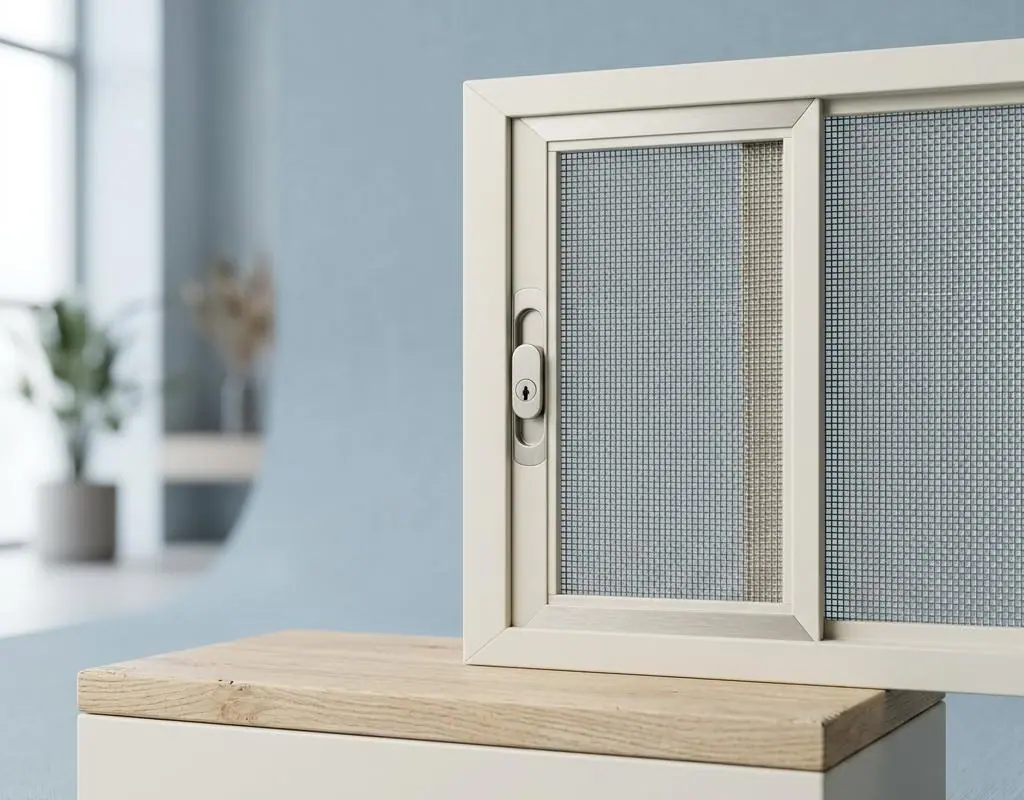
Material:Cat screens are mainly made of nylon, metal and plastic. Nylon cat screens are lightweight and easy to install, but their durability is poorer and they may need to be replaced regularly, while metal and plastic cat screens are sturdier, but may require professional help for installation.

Aperture size:When choosing the aperture size, make sure that the cat's head or body cannot pass through.

Transparency:A cat screen with high transparency not only allows cats to better observe the outside, but also does not obstruct your view.

Installing cat screens for adopted cats | Steps for installing cat screens

The steps for installing cat screens may vary slightly depending on the type of cat screen and the installation location, but the following are general steps:
Measure the size:First, use a tape measure to measure the width and height of the window or balcony to ensure the cat screen size matches it.

Prepare tools:Prepare tools such as scissors, a ruler, a pencil, nails or screws. If you choose a metal or plastic cat screen, you may also need a power drill.

Cutting cat screen:Cut the cat screen to a suitable size according to the measured dimensions.

Fixed cat screen:Use nails or screws to secure the cat screen to the frame of the window or balcony, ensuring the cat screen is fixed tightly enough to prevent it from falling off due to the weight of the cat.

Check installation:After installation is complete, gently pull on the cat screen to check whether it has been firmly fixed in place.

Installing cat screens for adopted cats | Maintenance and replacement of cat screens

Maintenance of cat screens mainly includes regular inspection and cleaning. Check whether the cat screen is damaged, and if so, it should be replaced immediately. To clean cat screens, use clean water and a soft cloth, and avoid using harsh cleaning agents to prevent discomfort to cats.

If the cat screen is damaged or shows signs of wear, such as thinning threads or faded color, it should be replaced immediately. The steps for replacing a cat screen are the same as installing one.

Cat screens can effectively protect your cats and prevent them from falling from heights or escaping. Choosing the right cat screen and properly installing and maintaining it will ensure that you and your kitty can enjoy a safe and comfortable home.

Frequently asked by readers

FAQ

3 FAQs related to this article
Q1What is the difference between cat screens and insect screens?

Mosquito nets are mainly used to prevent mosquitoes and insects. The mesh is relatively fine but is not necessarily claw-resistant, and it is not a pet barrier either; cat screens mainly use more claw-resistant materials or structures, and are used to reduce the chance of cats contacting the outside of the window. Most styles also have mosquito-prevention functions.

Q2After installing cat screens, can they completely prevent cats from falling from heights?

Guarantee cannot be made. Cat screens can reduce the risk, but no window screen can replace locking the window and daily supervision. Please check the screen mesh and fixing points regularly.

Q3Which cat screen is most suitable for my home?

Depending on the window type, the cat's personality, the fixing surface, and the budget. You can compare lockable full-open / triple-slide cat insect screens, Italian cat insect-proof roll-up screens, magnetic types and hinged-door types; transparent window grilles must also be assessed according to the fixing method. The insect-proof data for ordinary HD, Japanese ultra-high-definition, and adhesive insect screens is not enough to prove suitability as pet barriers. Recommendations will be made on-site during measurement according to the actual situation.

View all FAQs

Continue reading

Related guides

Handled by dedicated staff

Related services

View full price list

Professional assistance

Want to learn about Cat screen installation?

Send us photos of the installation location so we can understand the style, measurement and quotation arrangements.

The button will only open WhatsApp and prefill a message; it will only be sent after you confirm it.