
Back to the window screen encyclopediaPreparing cat screens for cat adoption: a detailed guide to choosing and installing cat screens

Preparing cat screens for cat adoption: a detailed guide to choosing and installing cat screens

Table of contents

Adopting a cat is an act full of love and responsibility, and in order to ensure the cat's safety, preparing a suitable living environment and related equipment becomes very important. Among them, cat screens are a commonly overlooked but actually extremely important installation. Below, we will provide you with a detailed guide to choosing and installing cat screens, so that your cat can live in a comfortable and safe environment.

Why do you need cat screens?

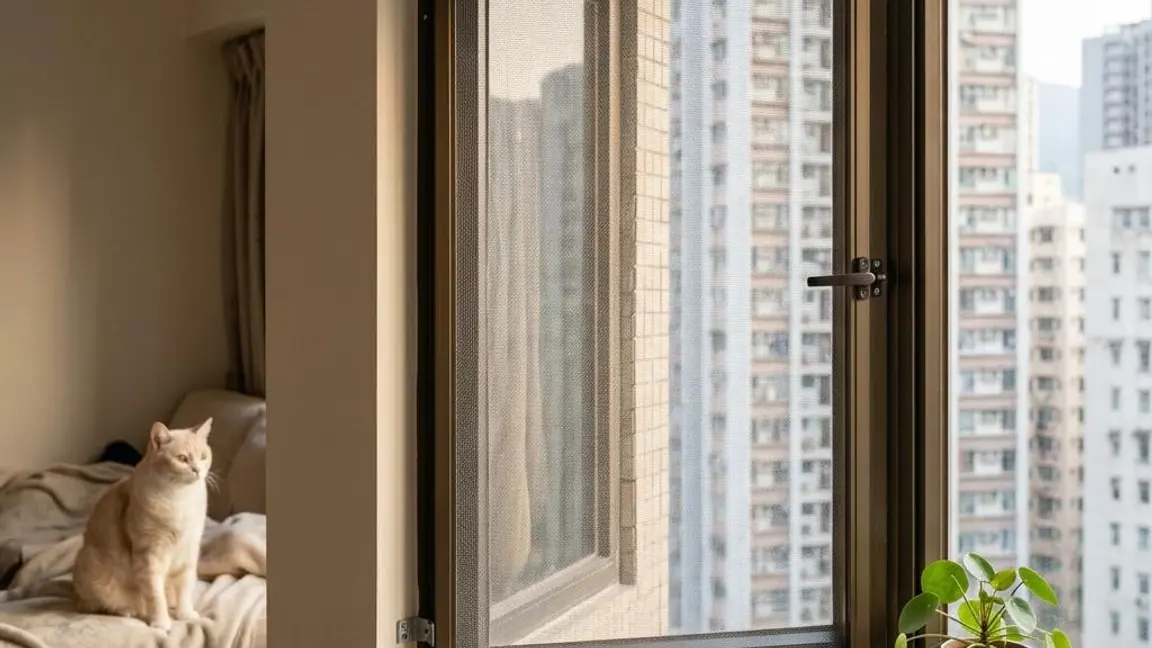
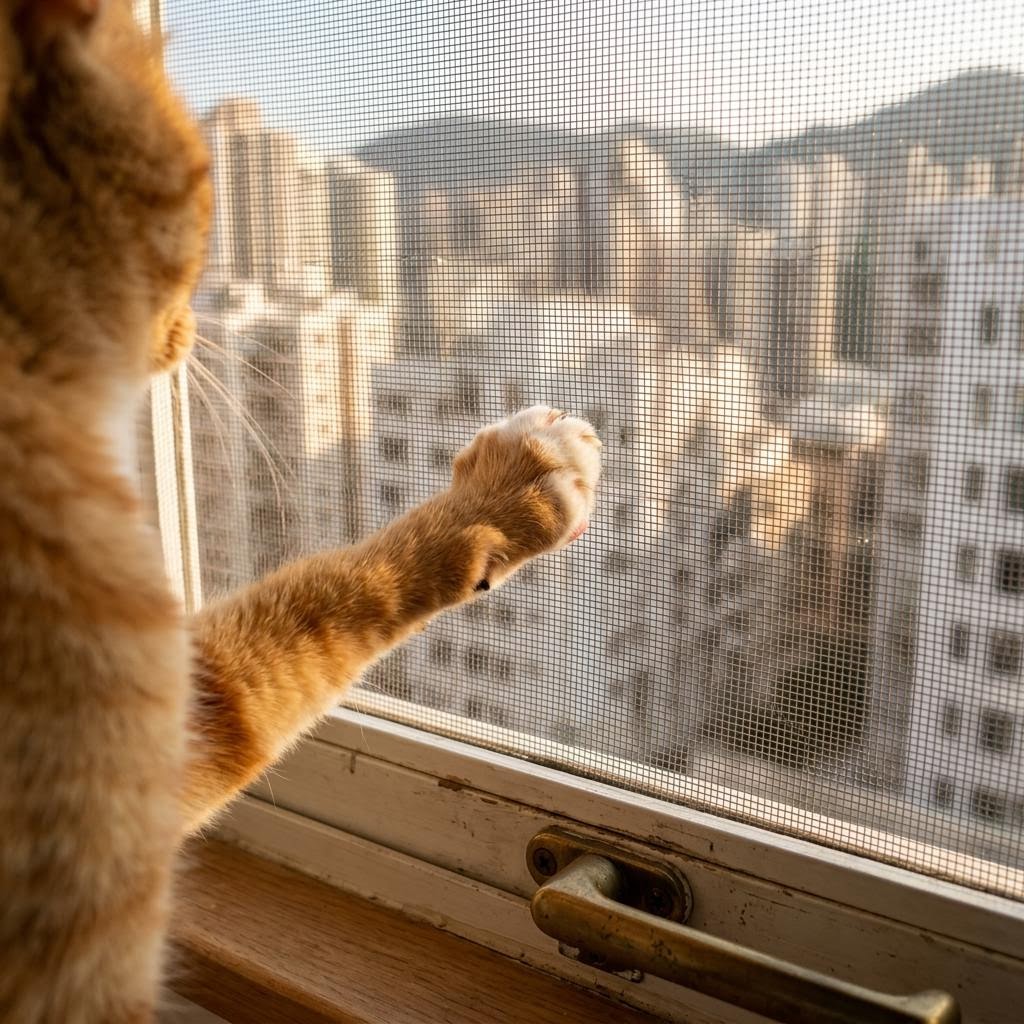
The main function of cat screens is to prevent cats from falling from high places such as windows or balconies. Cats have a strong sense of curiosity and exploration; they often like to climb to high places or jump to different places. However, they are not always able to land steadily, especially if they fall from a high-rise floor, which may cause serious injury or even death. Therefore, no matter what type of residence you live in, installing cat screens is an important preventive measure.

How to buy a cat screen?

When purchasing a cat screen, we need to consider the following factors:

Material: First, you need to consider the material of the cat screen. Common cat screen materials mainly include nylon and metal. Nylon cat screens are softer and lighter, but their durability may be poorer; metal cat screens are relatively hard and durable, but may be heavier. You need to choose the right material according to your needs and budget.

Mesh size: Secondly, what you need to consider is the mesh size of the cat screen. If the mesh holes are too large, a cat's head or body may get stuck, and if the mesh holes are too small, they may obstruct visibility. Generally speaking, a mesh size of about 2 to 3 cm is more suitable.

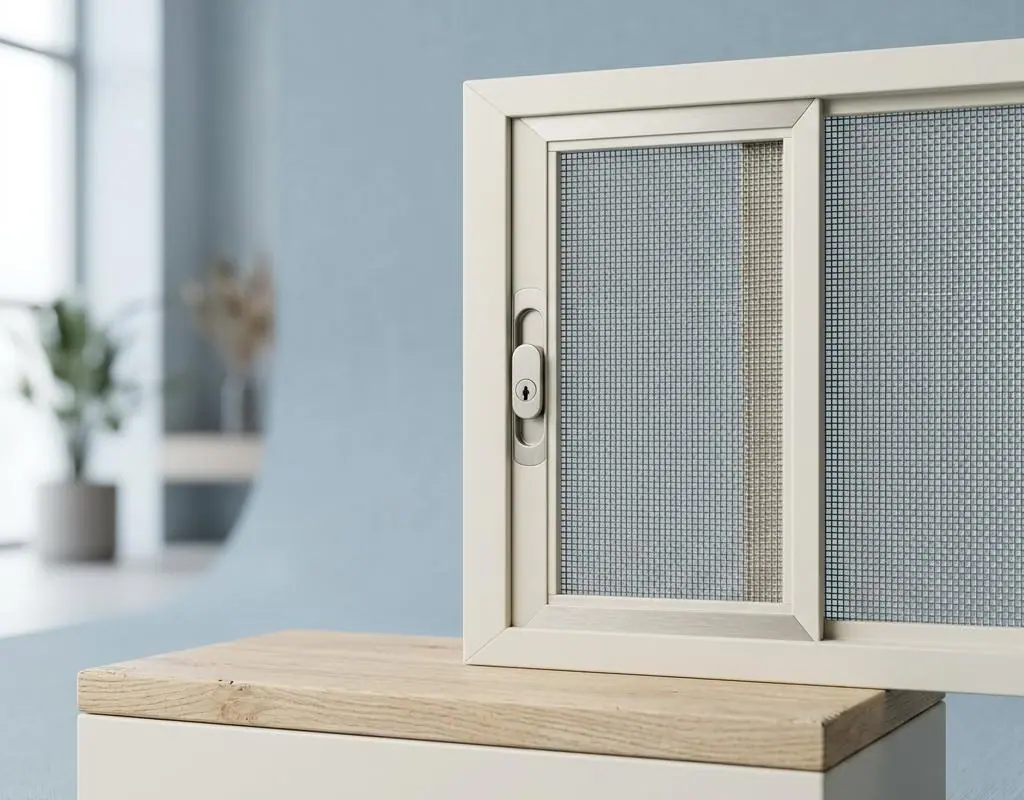
Installation method: Finally, what you need to consider is the installation method of the cat screen. Generally speaking, there are mainly two installation methods for cat screens: fixed and removable. Fixed cat screens are difficult to remove after installation, but they are safer; removable cat screens are more convenient for cleaning and replacement, but may require frequent checks to ensure they are secure.
Cat Screen Installation Steps

When installing cat screens, we can proceed according to the following steps:

Measure the size: First, you need to use a measuring tape to measure the size of the area you need to cover, including length, width, and height. Record these figures so that when you buy the cat screen, you can choose the appropriate size.

Buying cat mesh: Based on your needs and the dimensions previously measured, choose the right cat mesh. When buying, remember to consider the material, mesh size and installation method of the cat mesh.

Prepare tools: You need to prepare some basic tools, such as scissors, a tape measure, a power drill (if you need to drill holes in the wall or window frame), and ropes or ties (for securing the cat screen).

Installing cat screens: Place the cat screen in the area that needs to be covered, and use rope or straps to secure it to the window frame or wall. If necessary, you can also use an electric drill to drill holes in the wall or window frame, and then use screws to fix the cat screen to it.

Check safety: After installation is completed, you need to check the safety of the cat screen. Make sure the cat screen is firmly fixed to the window frame or wall, and that there are no damaged or loose areas.

Overall, installing cat screens is a simple but important task. By choosing suitable cat screens and installing them correctly, you can effectively protect your cats from the risk of falling, and allow them to explore and play freely at home. We hope this guide can help you choose and install cat screens and provide a safe environment for your cats.

Frequently asked by readers

FAQ

3 FAQs related to this article
Q1What is the difference between cat screens and insect screens?

Mosquito nets are mainly used to prevent mosquitoes and insects. The mesh is relatively fine but is not necessarily claw-resistant, and it is not a pet barrier either; cat screens mainly use more claw-resistant materials or structures, and are used to reduce the chance of cats contacting the outside of the window. Most styles also have mosquito-prevention functions.

Q2After installing cat screens, can they completely prevent cats from falling from heights?

Guarantee cannot be made. Cat screens can reduce the risk, but no window screen can replace locking the window and daily supervision. Please check the screen mesh and fixing points regularly.

Q3Which cat screen is most suitable for my home?

Depending on the window type, the cat's personality, the fixing surface, and the budget. You can compare lockable full-open / triple-slide cat insect screens, Italian cat insect-proof roll-up screens, magnetic types and hinged-door types; transparent window grilles must also be assessed according to the fixing method. The insect-proof data for ordinary HD, Japanese ultra-high-definition, and adhesive insect screens is not enough to prove suitability as pet barriers. Recommendations will be made on-site during measurement according to the actual situation.

View all FAQs

Continue reading

Related guides

Handled by dedicated staff

Related services

View full price list

Professional assistance

Want to learn about Cat screen installation?

Send us photos of the installation location so we can understand the style, measurement and quotation arrangements.

The button will only open WhatsApp and prefill a message; it will only be sent after you confirm it.