
Back to the window screen encyclopediaCat screen fall prevention: create a safe home for your beloved cat

Cat screen fall prevention: create a safe home for your beloved cat

Table of contents

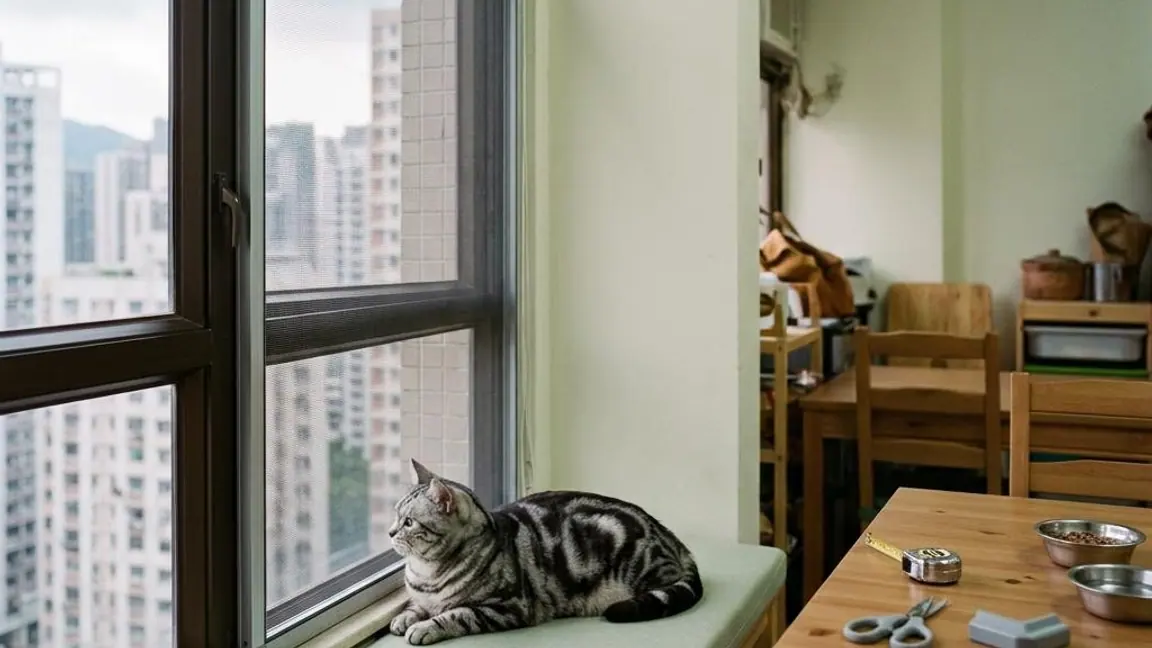
Cats are naturally curious and like to jump and explore in high places. However, high-rise buildings in the city pose a fall-from-height risk to beloved cats. To ensure their safety, many cat slaves choose to install “cat screens for fall prevention”. This article will provide a detailed guide to installing cat screens, from choosing materials to completing the installation, so that your beloved cat can be free and safe at home without worries.

Why do you need cat screens to prevent falls?

Cats have excellent balance, but even so, one moment of carelessness may lead to tragedy, especially for cats living in high-rise homes, where balconies and windows become potential sources of danger. In addition, installing a cat screen can not only protect cats, but also prevent other small animals or pest birds from entering the home.

Key Points for Choosing Cat Screens

When choosing a cat screen, you should consider the following points:

Material: Cat screens are usually made of nylon or stainless steel. Nylon mesh is more economical, while stainless steel mesh is stronger and more durable.

Mesh size: The mesh size should be small enough that a cat's head cannot pass through.

Load-bearing capacity: choose a cat screen that can withstand the impact of the cat’s weight, to prevent the screen from breaking when the cat climbs on it.

Weather resistance: Cat screens need to withstand various weather conditions, including strong sunlight, rain, and wind.

Tools and materials for installing cat screens

Before starting installation, please prepare the following tools and materials:

  • Cat screen

  • Measuring tape

  • Marker pen

  • Drill

  • Screws and plugs

  • rope or cable ties

  • Scissors

Installation steps

Step 1: Measure and plan

Measure the areas where you need to install cat screens, including windows, balconies, or other openings.

Plan the specific size and position of the cat screen according to the measurement results, and determine the fixing points.

Step 2: Mark fixing points

Use a marker pen to make marks at the selected fixing points, which will serve as a guide for drilling later.
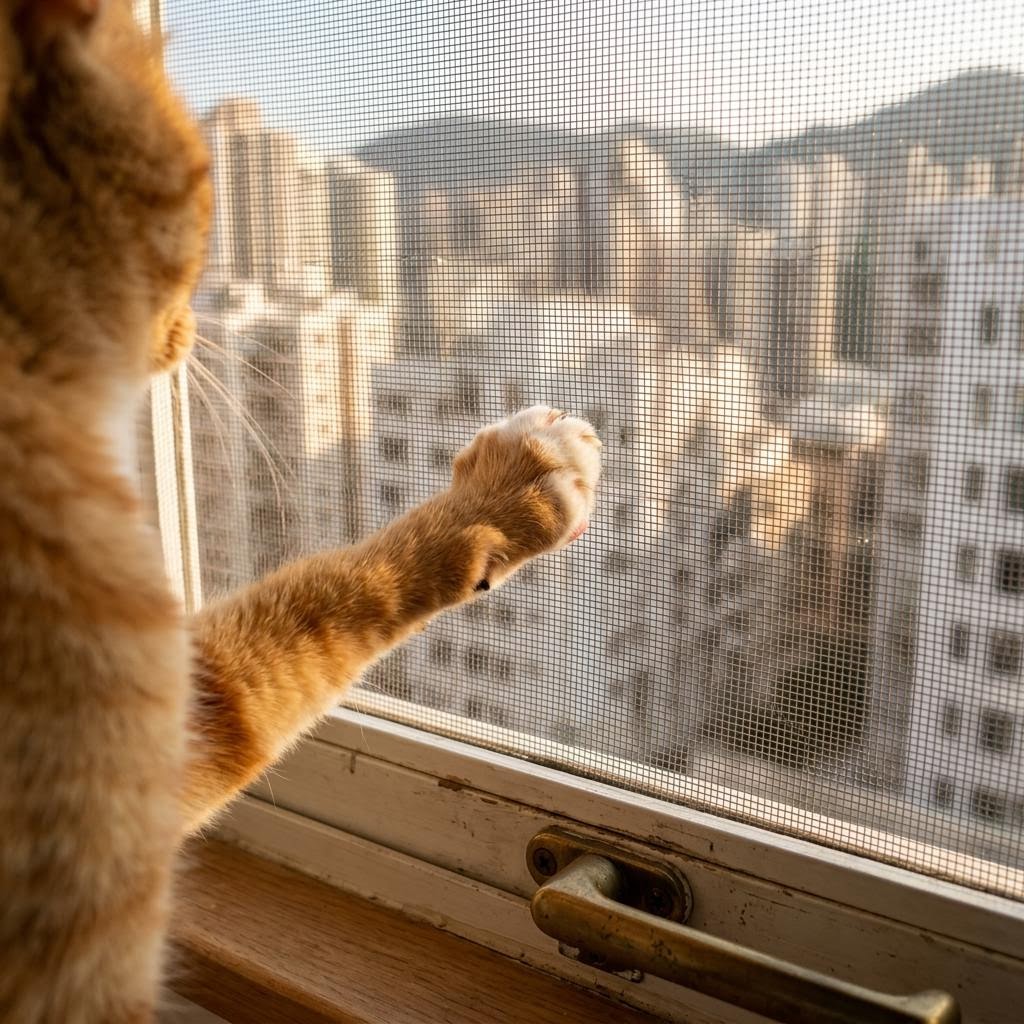
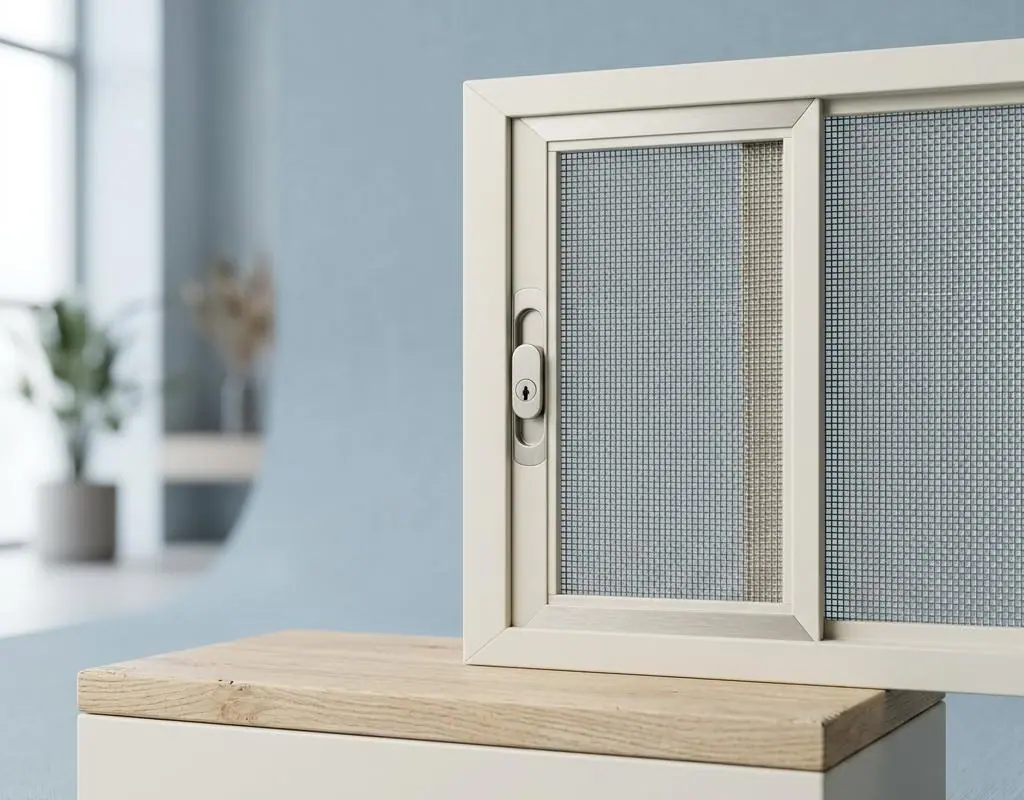
Make sure the marking points are straight and evenly distributed to maintain the tension of the cat screen.

Step 3: Drill holes

Use a drilling machine to drill holes at the marked points; the depth of the holes should be sufficient to accommodate the screws and plugs.

Remove debris generated after drilling.

Step 4: Installing the fixing devices

Insert the plug into the drilled hole.

Pass the screws through the edge of the cat screen and tighten them into the plugs.

Step 5: Tensioning the cat screen

While tightening the cat screen, connect the edge of the screen to the fixing points.

Make sure the cat screen is tight enough in all directions to prevent loosening when the cat climbs on it.

Step 6: Trimming the excess

After the cat screen is installed, use scissors to trim off the excess part.

Make sure there are no sharp edges or protruding parts to avoid injuring the cat.

Maintenance and inspection

Regular inspection: Regularly check the overall condition of the cat screen, especially the fixing points and whether the mesh is damaged.

Cleaning cat screens: Use a soft-bristled brush and clean water to clean the cat screen to remove dust and other dirt.

Prevent cats from chewing: if you find that your cat has a habit of chewing the cat screen, you should stop it promptly to avoid damaging the mesh structure.

Frequently asked by readers

FAQ

3 FAQs related to this article
Q1What is the difference between cat screens and insect screens?

Mosquito nets are mainly used to prevent mosquitoes and insects. The mesh is relatively fine but is not necessarily claw-resistant, and it is not a pet barrier either; cat screens mainly use more claw-resistant materials or structures, and are used to reduce the chance of cats contacting the outside of the window. Most styles also have mosquito-prevention functions.

Q2After installing cat screens, can they completely prevent cats from falling from heights?

Guarantee cannot be made. Cat screens can reduce the risk, but no window screen can replace locking the window and daily supervision. Please check the screen mesh and fixing points regularly.

Q3Which cat screen is most suitable for my home?

Depending on the window type, the cat's personality, the fixing surface, and the budget. You can compare lockable full-open / triple-slide cat insect screens, Italian cat insect-proof roll-up screens, magnetic types and hinged-door types; transparent window grilles must also be assessed according to the fixing method. The insect-proof data for ordinary HD, Japanese ultra-high-definition, and adhesive insect screens is not enough to prove suitability as pet barriers. Recommendations will be made on-site during measurement according to the actual situation.

View all FAQs

Continue reading

Related guides

Handled by dedicated staff

Related services

View full price list

Professional assistance

Want to learn about Cat screen installation?

Send us photos of the installation location so we can understand the style, measurement and quotation arrangements.

The button will only open WhatsApp and prefill a message; it will only be sent after you confirm it.