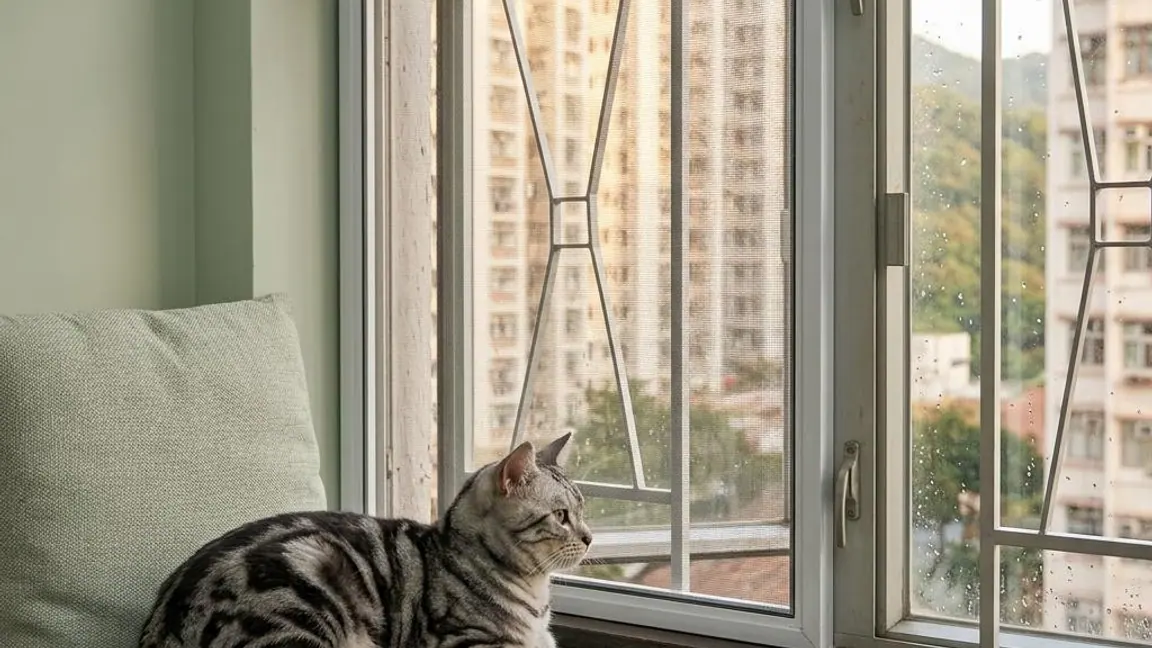
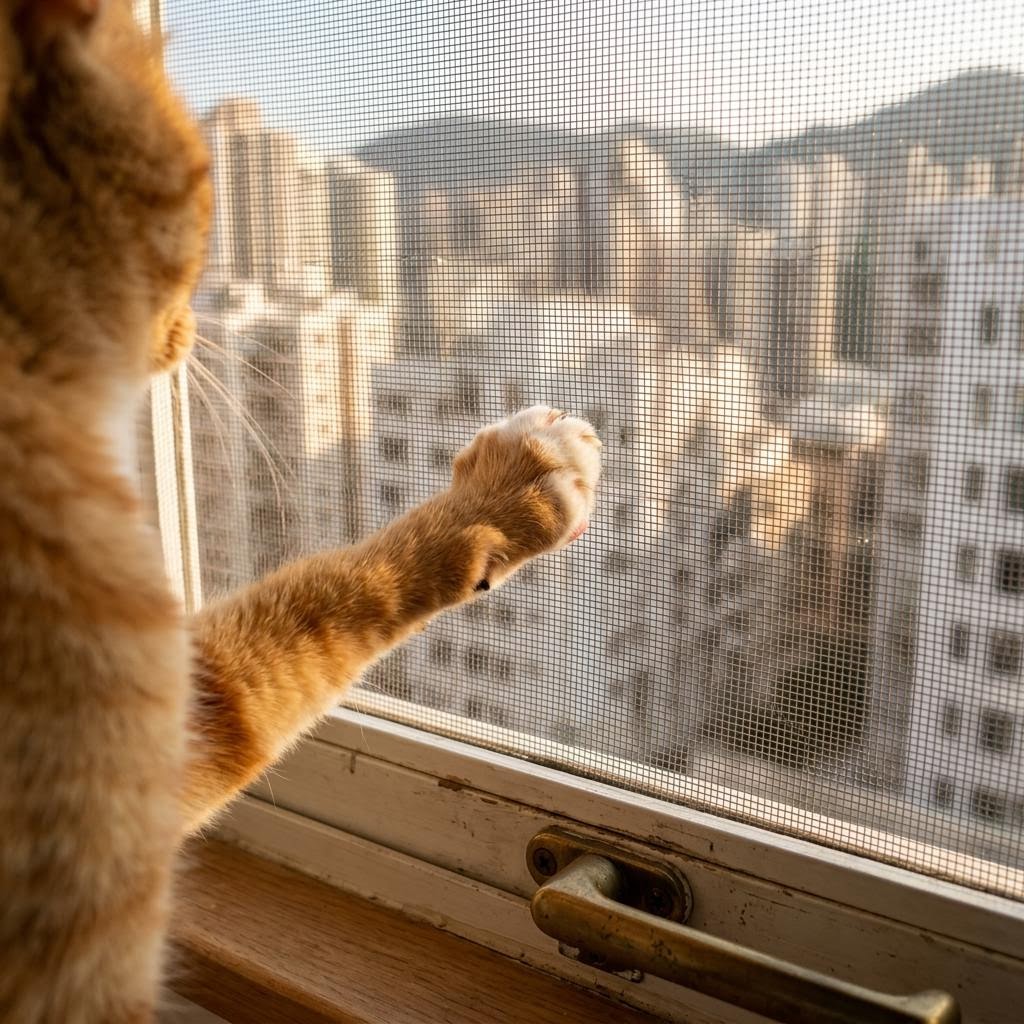
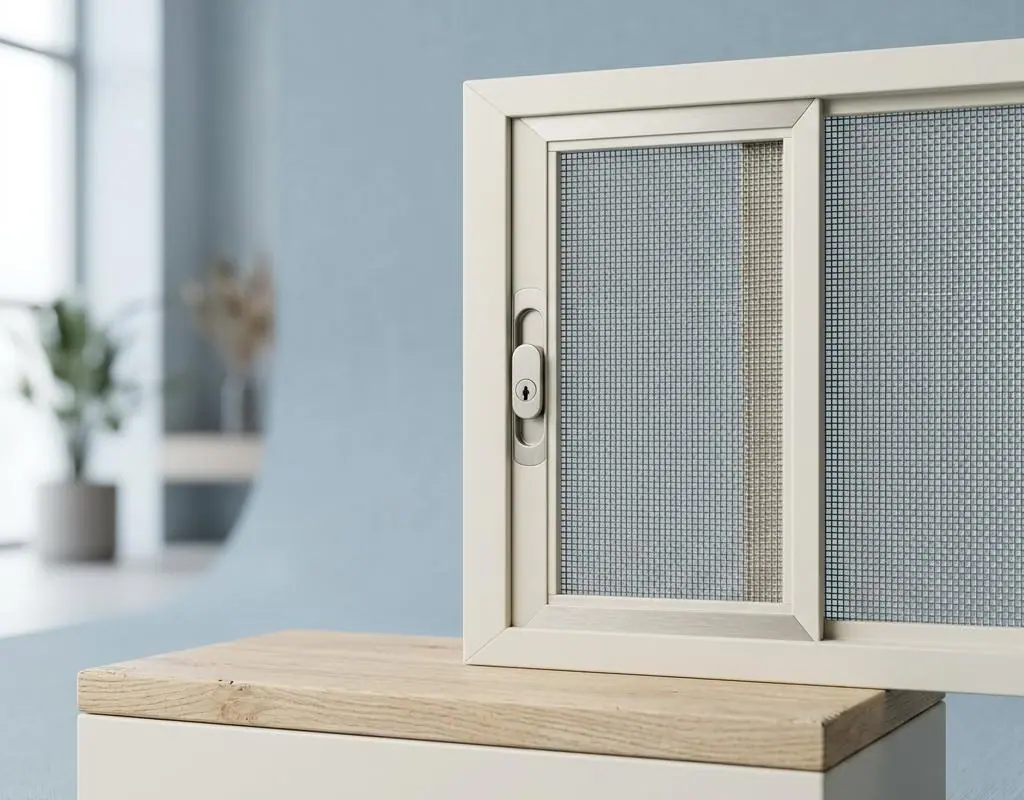
As more and more pet owners hope to let cats enjoy a safe outdoor space, the demand for cat screens is increasing day by day. However, the design of cat screens must not only consider cats' safety, but also deal with weather factors such as wind and rain. Effective windproof and rainproof design can ensure cats' safety and comfort during outdoor activities. This article will explore the key points of windproof and rainproof design for cat screens to help pet owners create the ideal cat playground.
Key points of windproof design
When designing cat screens, windproofing is one of the primary considerations. First, the structure of the cat screen should be strong and durable enough to withstand strong winds. Choosing high-quality materials such as steel frames or reinforced plastic can increase the stability of the cat screen. In addition, make sure the bottom of the cat screen has sufficient fixing devices, such as ground anchors or weights, to prevent it from shifting or collapsing in stronger winds.
Secondly, the shape design of the cat screen should also take airflow into account. Avoid using sharp corners or irregular shapes, as these designs may cause wind concentration and increase the risk of damage. Choosing a streamlined design can effectively reduce wind resistance and make the cat screen more stable in the wind.
Key points of rainproof design
In addition to wind protection, the rainproof design of a cat screen is equally important. First, consider installing a rain cover or awning above the cat screen to prevent rainwater from entering the screen directly. These coverings should be made of waterproof materials, such as polyethylene or waterproof fabric, and be securely fixed to prevent them from falling off due to wind and rain.
Secondly, the bottom of the cat screen should be designed at a slight incline so that rainwater can flow out quickly and avoid water accumulation. In addition to waterproofing, the bottom design also needs to consider the drainage system. If necessary, drainage holes can be set at the bottom to quickly drain accumulated water after heavy rain, ensuring that the cat’s activity space stays dry.
Ventilation design
When considering windproofing and rainproofing, the ventilation design of cat screens should not be overlooked. Good ventilation can prevent dampness inside the screen and keep the air circulating, which helps cats’ health. Materials with good ventilation should be chosen, such as mesh fabric or wire mesh, as these materials can effectively provide breathability. At the same time, make sure the side design of the cat screen has enough openings to promote air circulation and avoid stuffiness caused by being enclosed.
Looking for professional team help
When designing and installing cat screens, seeking help from a professional team is very important. A professional installation team has extensive experience and expertise, and can provide the best design solution based on your needs. They can help you assess the site environment, choose suitable materials, and ensure the cat screen is sturdy and safe. In addition, the professional team can provide technical support during the installation process, ensuring that the cat screen remains reliable when facing harsh weather such as wind and rain.
The windproof and rainproof design of cat screens is crucial to ensuring cats’ safety and comfort. Through a reasonable windproof structure, effective rainproof measures, and good ventilation design, owners can create a safe outdoor environment for cats. Choosing a professional team for design and installation will help ensure the stability and durability of cat screens. Let us work together to create a safe and comfortable play space for cats!