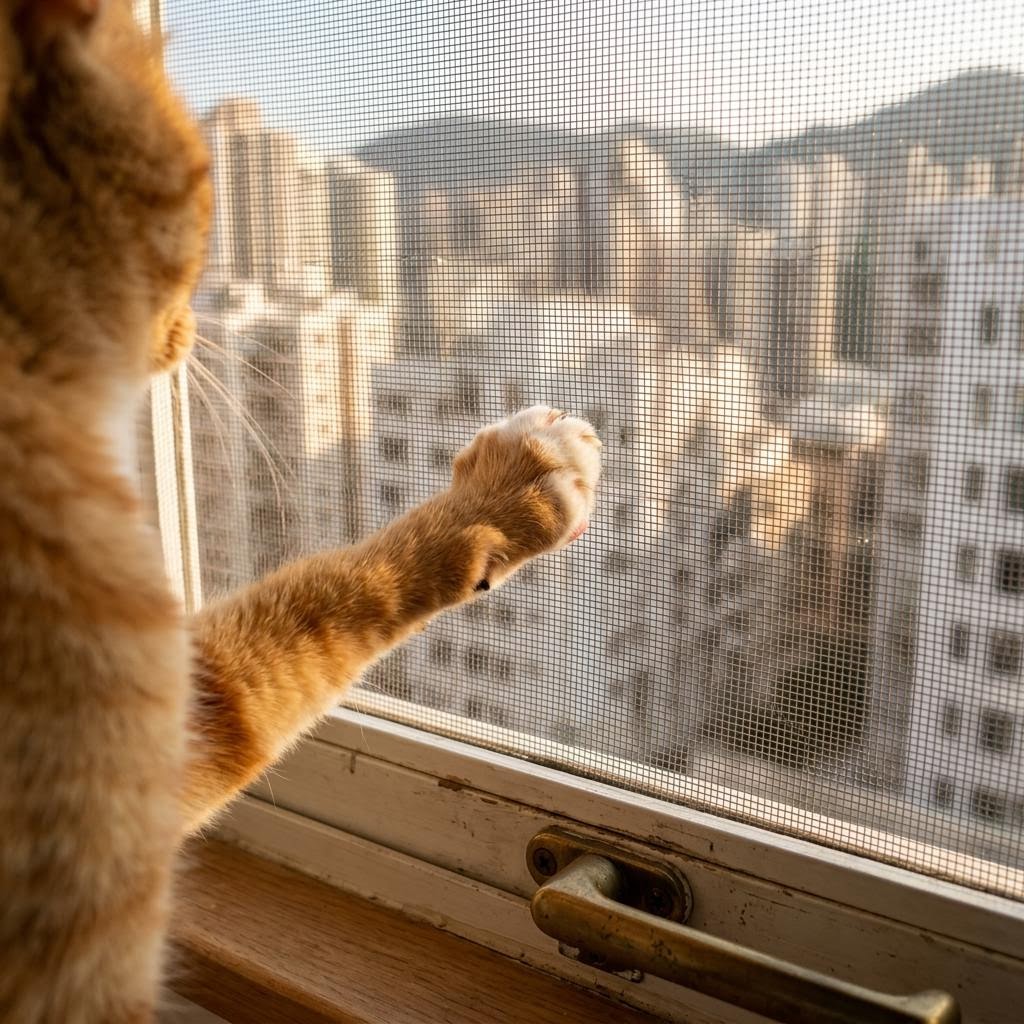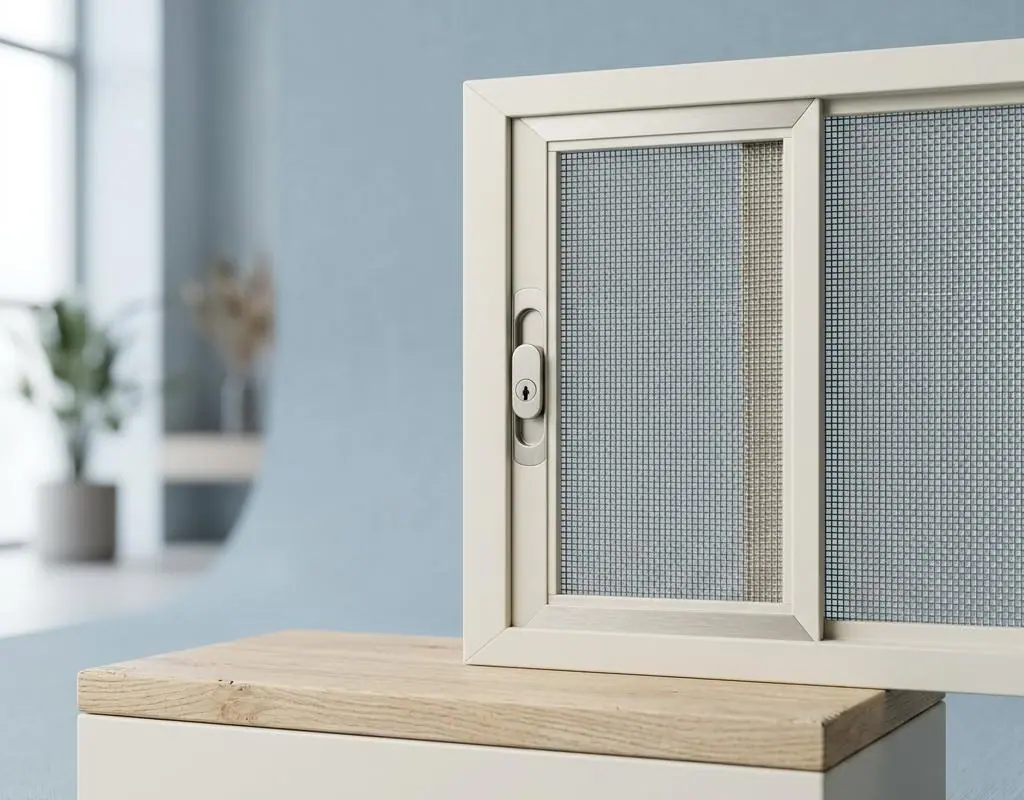
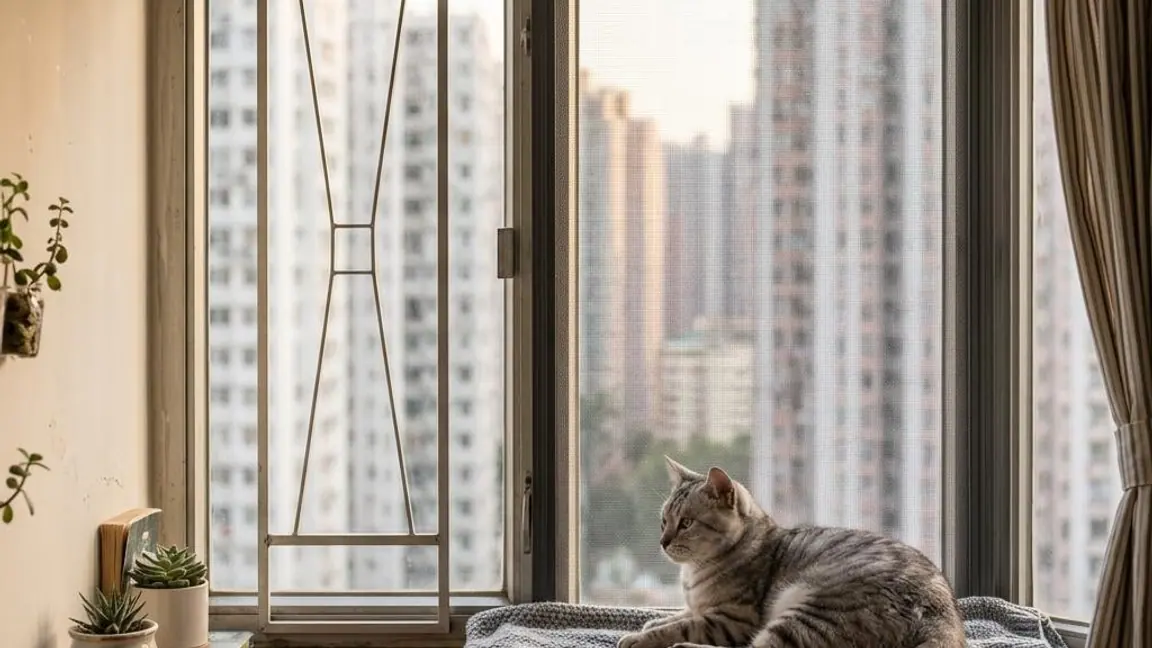
In modern households, indoor cats have become a pet choice for many people. Compared with outdoor cats, the living environment of indoor cats is relatively enclosed, which limits them in terms of exploration and activity. To meet cats' need to explore, the installation of cat screens has become especially important. Cat screens not only provide cats with a safe space for activity, but also promote their physical and mental health. This article will explore how cat screens are installed and how to meet the exploratory needs of indoor cats.
Indoor cats' need for exploration
Cats are naturally curious and have an instinct to explore, driven by their hunting and survival instincts. In an indoor environment, cats cannot explore freely like outdoor cats, which may lead to anxiety, boredom and behavioural problems. An appropriate environment for exploration can promote cats’ mental health and reduce stress and anxiety. Therefore, setting up a cat screen not only meets cats’ need to explore, but also provides them with a safe living space.
Key elements of cat screen installation
When setting up cat screens, there are several key elements to consider:
Location choice: the cat screen should be installed where the cat can easily reach it, such as the balcony or by the window, so that the cat can observe the outside world and satisfy its curiosity.
Mesh material: Choosing a durable and safe material is crucial. The cat screen should have good ventilation and transparency, so that the cat can see the outside world while still ensuring safety.
Space design: When designing a cat screen, you can consider adding multi-level platforms or climbing frames, allowing cats to move, jump and explore freely. Such a design can increase cats' exercise and promote health.
Decoration and play: adding some toys or climbing accessories to the cat screens can attract cats' attention and keep them from getting bored while exploring.