In many homes, cats are indispensable members. They are lively and active, and love to explore the world around them. However, as their freedom of movement increases, safety issues for cats also arise. Installing cat screens is an effective solution that can protect cats’ safety at home or on the balcony, preventing them from accidentally falling or escaping. This article will introduce the installation method of cat screens and its importance, helping you create a safe environment for your furry friend.
Why do you need to install cat screens?
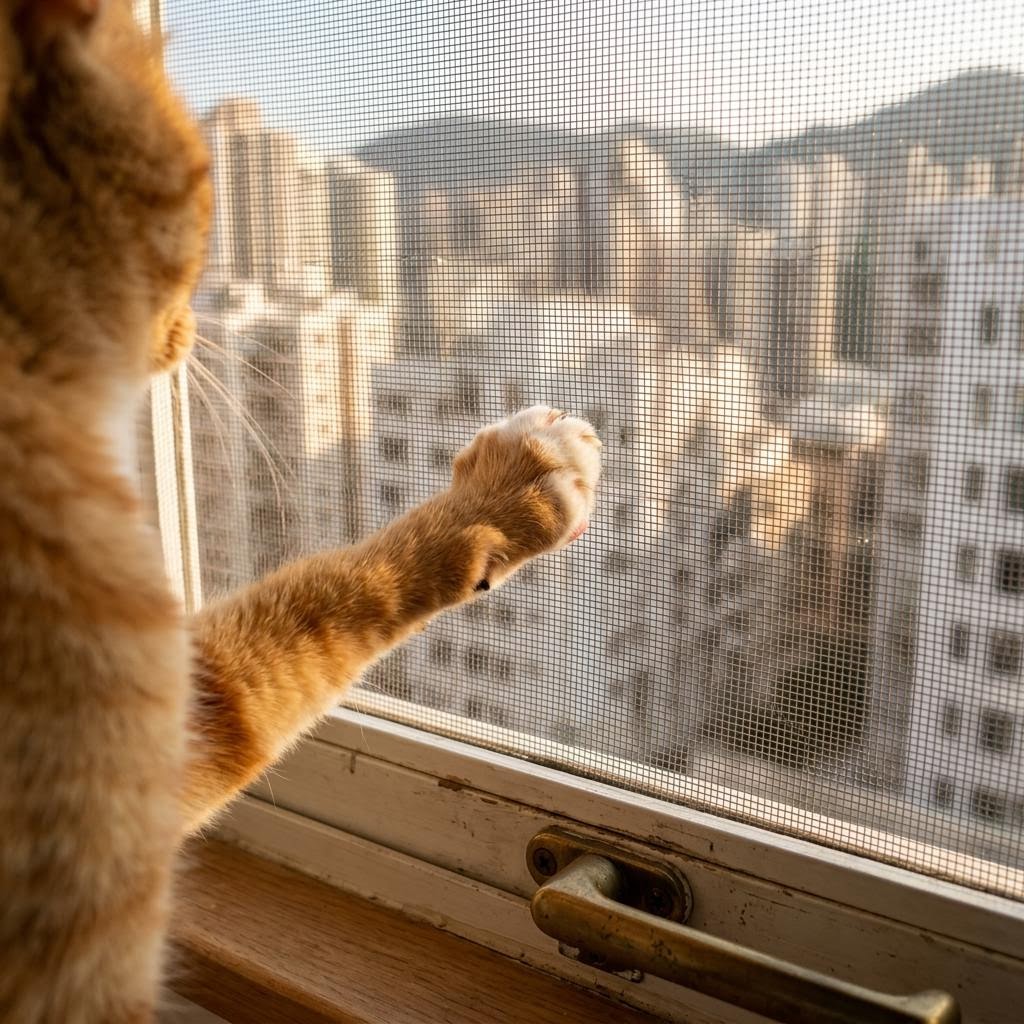
Cats are naturally exploratory and like outdoor activity. However, for cats in the city, the outside world is full of potential dangers, including traffic, wild animals and other accidents. Installing a cat screen can effectively prevent cats from escaping and confine their activity range to a safe area. This not only protects the cat’s safety, but also lets the owner rest easy, allowing the cat to enjoy sunlight and fresh air on the balcony or by the window.
Types of cat screens
There are all kinds of cat screens on the market, mainly divided into the following types:
1. Balcony cat screen: Designed specifically for balconies, usually made of durable mesh material, it can withstand wind, rain and sunlight, and prevent cats from jumping out of the balcony.
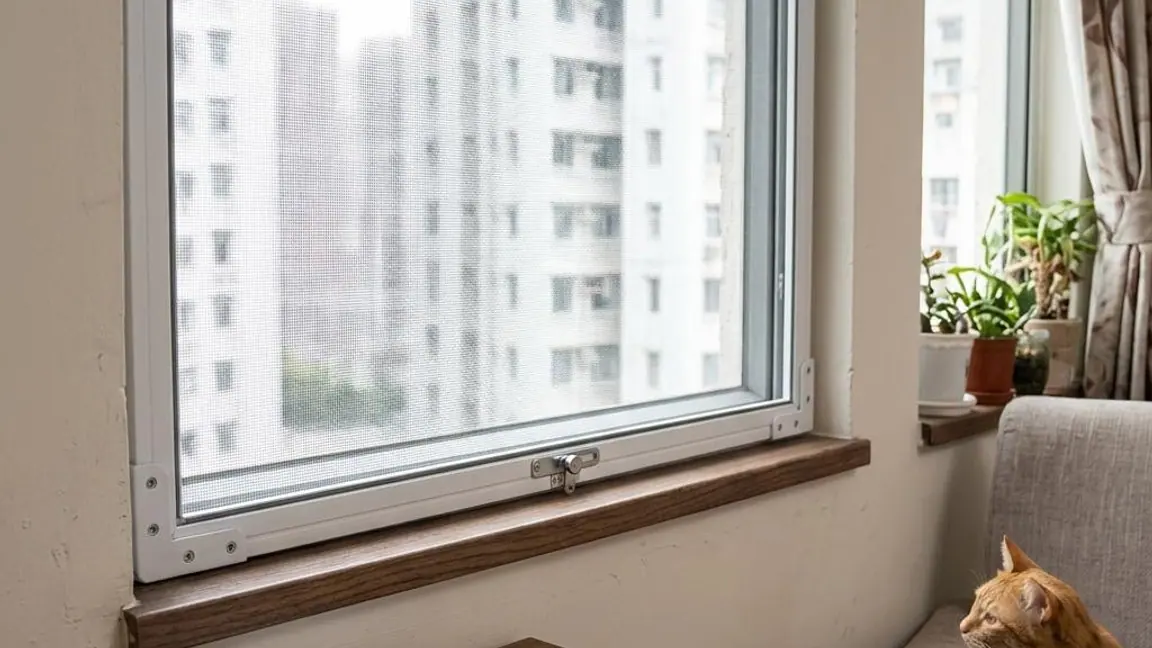
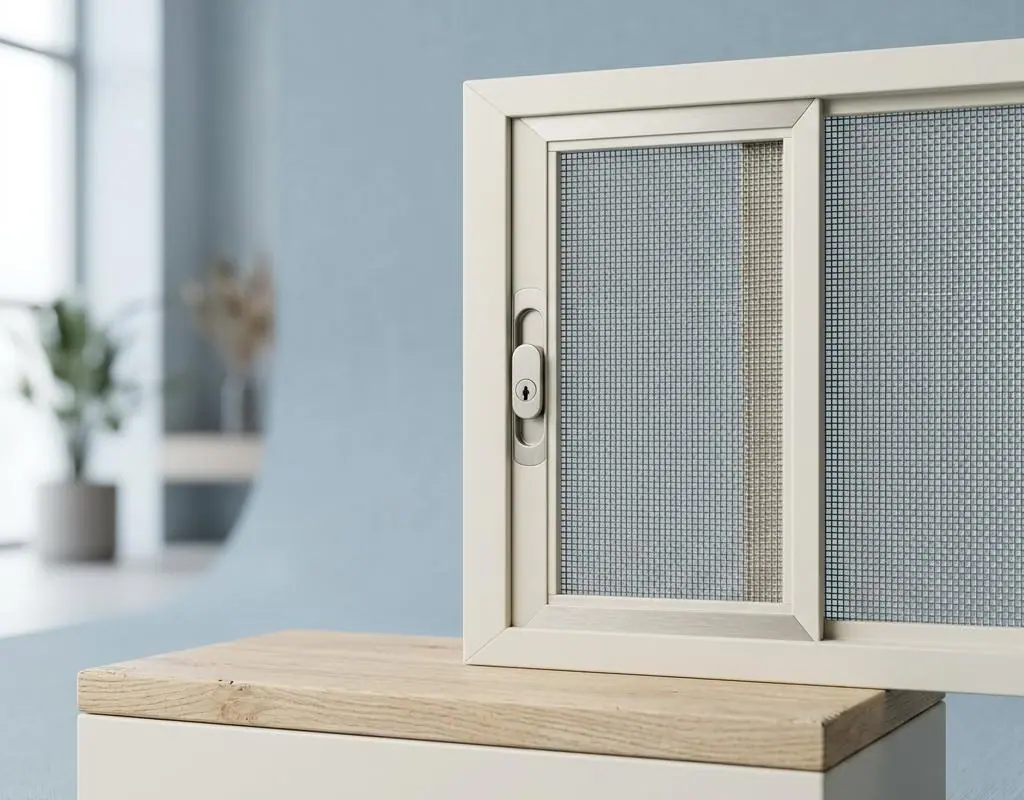
2. Cat screen for windows: suitable for safety protection for windows, ensuring the safety of cats without affecting ventilation.
3. Patio cat screen: If you have a garden or patio, you can choose an enclosed cat screen, allowing your cat to enjoy a safe activity space outdoors.
4. Portable cat screen: Some portable cat screens are suitable for use when taking your cat out, allowing the cat to stay safe while moving around outside.
Steps for installing cat screens
The process of installing cat screens is not complicated, but it requires some basic tools and patience. The following are the basic steps for installing cat screens:
1. Measurement and planning: First, measure the area where you want to install the cat screen, including the balcony, windows or courtyard. Based on the measurement results, plan the size and shape of the cat screen.
2. Choose materials: Choose durable mesh materials, usually polyethylene or nylon, to ensure they can withstand wind, rain and ultraviolet rays.
3. Install brackets: According to needs, install brackets on the wall surface or at the edge of the balcony to secure the cat screen. Use screws and expansion bolts to ensure the bracket is secure.
4. Secure the cat screen: Fix the cat screen to the brackets, making sure the screen is taut with no loose areas, to prevent the cat’s claws from getting caught.
5. Safety check: After installation is complete, check the sturdiness of the cat screen and make sure there are no sharp blades or sharp edges to avoid injuring the cat.
Improve cats' safety awareness
In addition to installing cat screens, owners can also improve cats' safety awareness in other ways. For example, teach cats not to go near the edge of windows or balconies, and provide enough toys and climbing frames so that they can move around in a safe environment. In addition, regularly check the condition of the cat screens to ensure there is no wear or damage, so as to maintain their effectiveness.
Looking for help from a professional team
If you find the process of installing cat screens difficult, or want more professional advice, seeking help from a professional team is a good choice. A professional installation team has extensive experience and skills, and can provide tailor-made solutions based on your needs. They can help you choose suitable materials and ensure the installation process is safe and effective.
Installing cat screens is a wise investment that can effectively safeguard cats' safety, allowing them to move freely at home or on the balcony without worry. By understanding the types of cat screens, installation steps, and ways to improve cats' safety awareness, you can create a safer environment for your furry companions. If you need professional installation services, you may wish to seek help from a professional team. Let us work together for the safety and happiness of cats and create a comfortable living space.