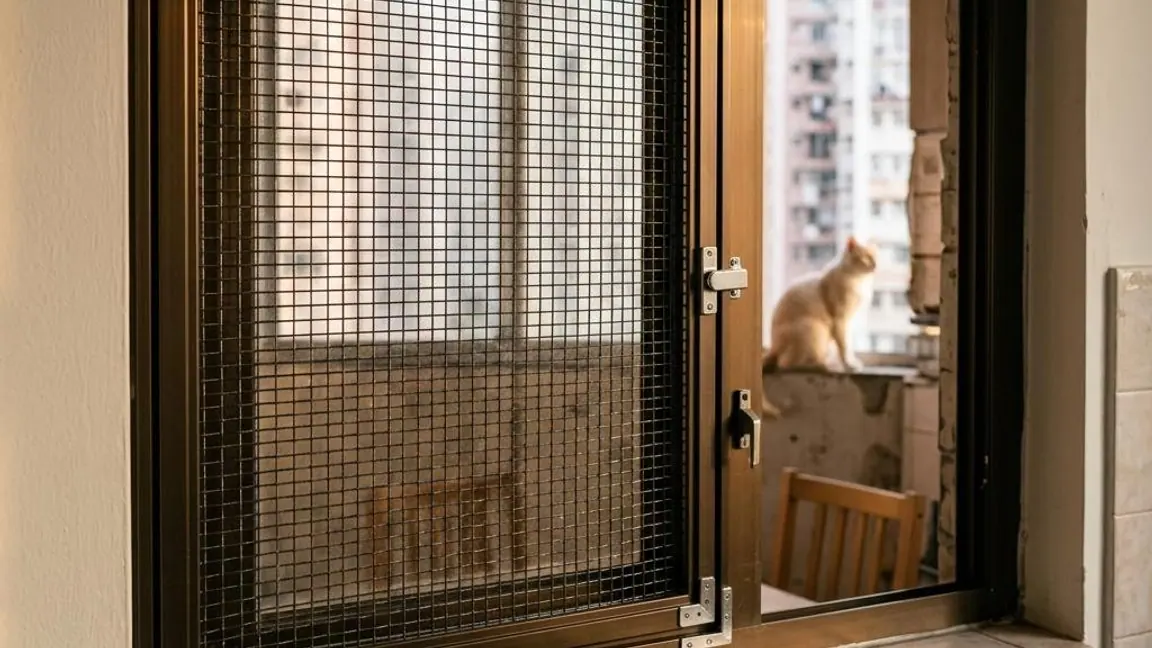
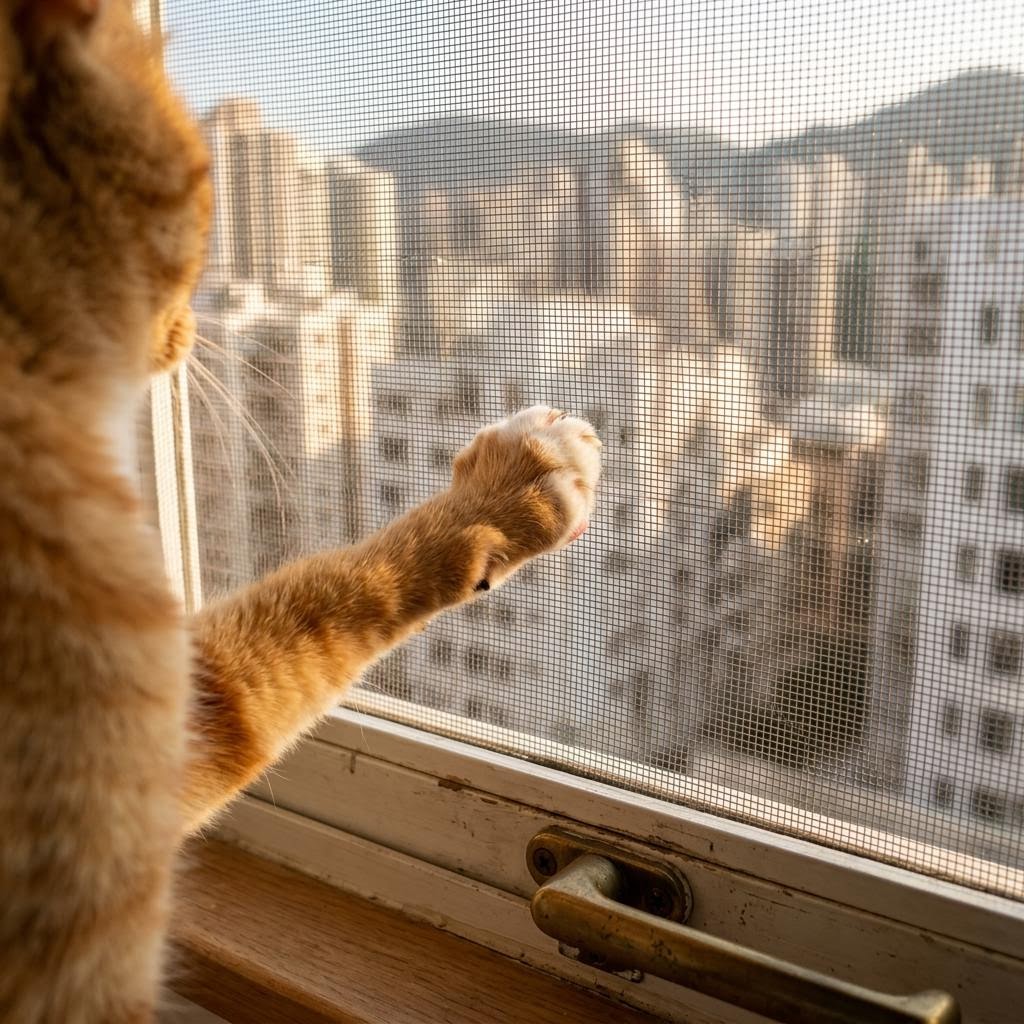
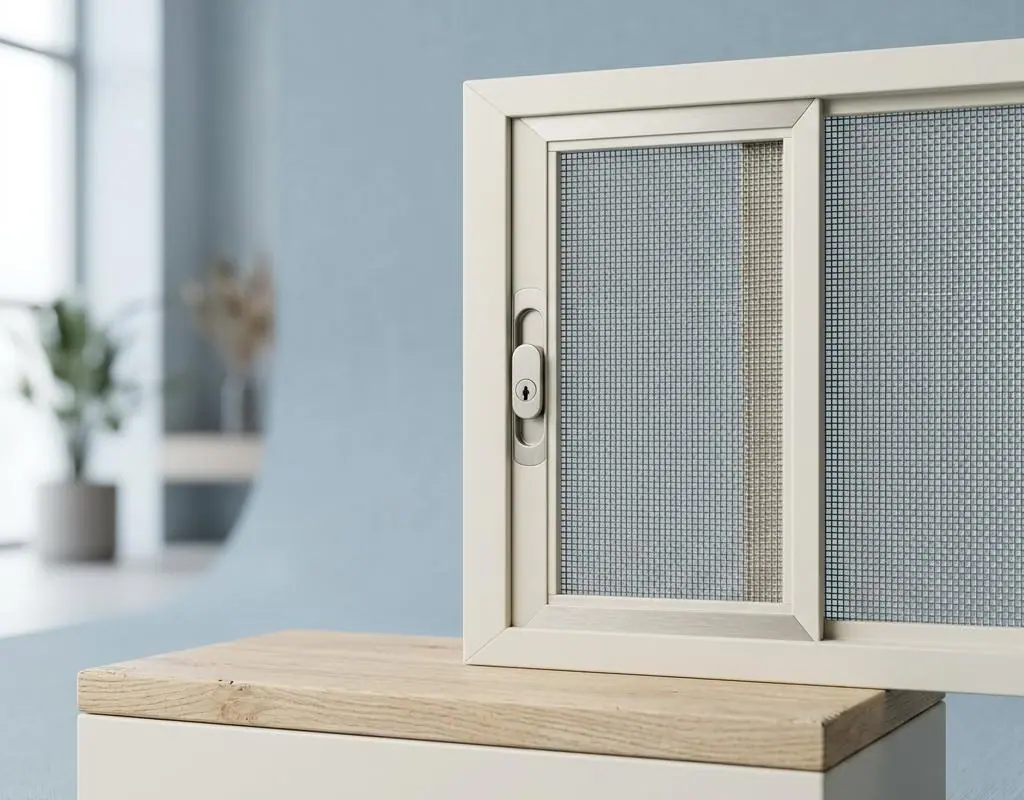
As more and more families choose to keep cats, installing cat screens has become a good choice to ensure cats' safety and health. Cat screens not only prevent cats from escaping, but also protect them from external dangers. However, installing cat screens requires some professional tools and equipment. This article will introduce the tools and equipment needed for installing cat screens to help cat owners complete the installation smoothly.
Introduction to basic tools
Before installing a cat screen, you first need to prepare some basic tools. These tools are usually found at home or can be easily purchased.
1. Electric drill: An electric drill is an essential tool for installing cat screens, especially when the mesh needs to be fixed to a wall or window frame. Choosing an electric drill with moderate power can help you complete the installation work quickly.
2. Screwdriver: The screwdriver is used to secure the mesh bracket or other accessories. It is recommended to prepare a set of screwdrivers in different sizes to meet different installation needs.
3. Steel ruler: A steel ruler can help you accurately measure the area where the cat screen needs to be installed, ensuring the screen size is suitable and avoiding waste caused by inappropriate dimensions.
4. Scissors or cutting tools: During installation, you may need to trim the mesh or rope. Sharp scissors or cutting tools can make this process easier.
5. Spirit level: To ensure the cat screen is installed flat, it is very important to use a spirit level to check whether the screen is vertical.
Choosing the installation equipment
In addition to basic tools, choosing the right installation equipment is also very important. Here are some recommended equipment:
1. Cat screen materials: There are various cat screen materials available on the market, including nylon mesh, metal mesh and polyethylene mesh. Nylon mesh is lighter and durable, suitable for general home use; metal mesh is stronger and suitable for households that need enhanced security.
2. Fixing brackets: When installing a cat screen, fixing brackets are needed to support the screen. These brackets are usually made of metal or plastic, and can effectively secure the screen, preventing the cat from forcefully pouncing and causing the screen to fall off.
3. Waterproof tape: Waterproof tape can be used to reinforce the edges of the screen and prevent moisture from seeping in, which is especially important when used in outdoor environments.
4. Mesh clips: Mesh clips can help secure the mesh to the frame, ensuring the mesh is not easily torn or swatted by cats. Choosing suitable clips can increase the safety of the mesh.
Looking for professional team help
Although the process of installing cat screens is not complicated, for some cat owners with no installation experience, it may feel difficult. In this case, finding a professional installation team is a wise choice. A professional team has rich installation experience and professional tools and equipment, and can complete the cat screen installation quickly and accurately. They can provide advice based on your needs to ensure the screen is installed securely and attractively. In addition, a professional team can also carry out the necessary checks after installation to ensure safety.
Installing cat screens is an important measure to protect cats' safety, and choosing the right tools and equipment is the key to successful installation. By preparing basic tools and choosing suitable installation equipment, you will be able to complete the cat screen installation effectively. If you are uncertain about the installation process, seeking help from a professional team can put you more at ease. Let us work together to create a safe and comfortable living environment for cats!