
Back to the window screen encyclopediaNotes after cat screen installation: preventing cats from escaping

Notes after cat screen installation: preventing cats from escaping

Table of contents

Cats are natural explorers, and their curiosity about the outside world often makes them long to leave the comfortable environment of home. To let cats safely enjoy outdoor fun, many cat owners choose to install cat screens. However, installing cat screens is not the end; you also need to pay attention to some details to prevent cats from escaping. This article will introduce the precautions after installing cat screens, helping you ensure your cat’s safety.

Regular inspection of the integrity of the cat screen

1. Check the condition of the mesh

The mesh of cat screens is the main passage through which cats may escape, so it is very important to regularly check the condition of the mesh. Make sure the mesh has no damage or wear, especially in areas where cats frequently move around. If any defects are found, they should be repaired or replaced immediately to avoid cats escaping.

2. Check the fixing devices

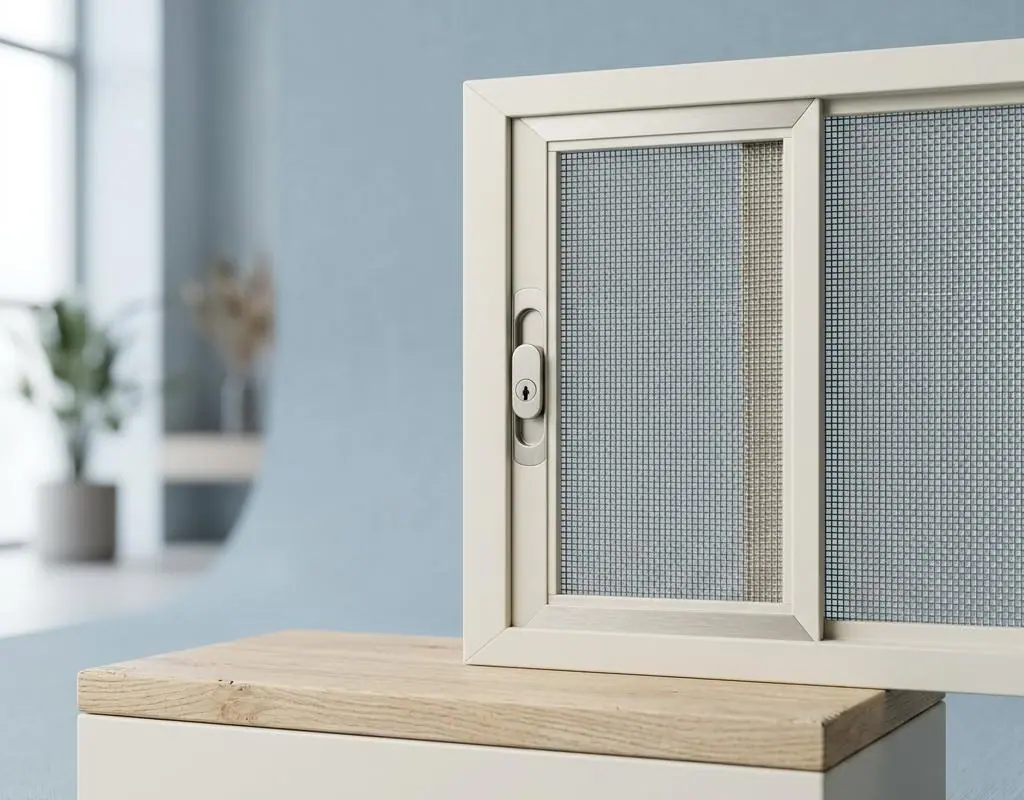
The fixing devices for cat screens, such as fasteners, clips, and ropes, also need to be checked regularly. Over time, these fixing devices may loosen or become damaged, thereby affecting the stability of the screen. Make sure all fixing devices are securely in place, and replace them promptly when needed.

Observe your cat’s behavior

1. Pay attention to the cat’s adjustment

Cats’ ability to adapt to a new environment varies from individual to individual. After installing a cat screen, closely observe the cat’s behaviour to understand whether it feels comfortable. If the cat shows signs of anxiety or unease, further adjustment of the screen’s position or design may be needed to help it adapt.

2. Understand cats' curiosity

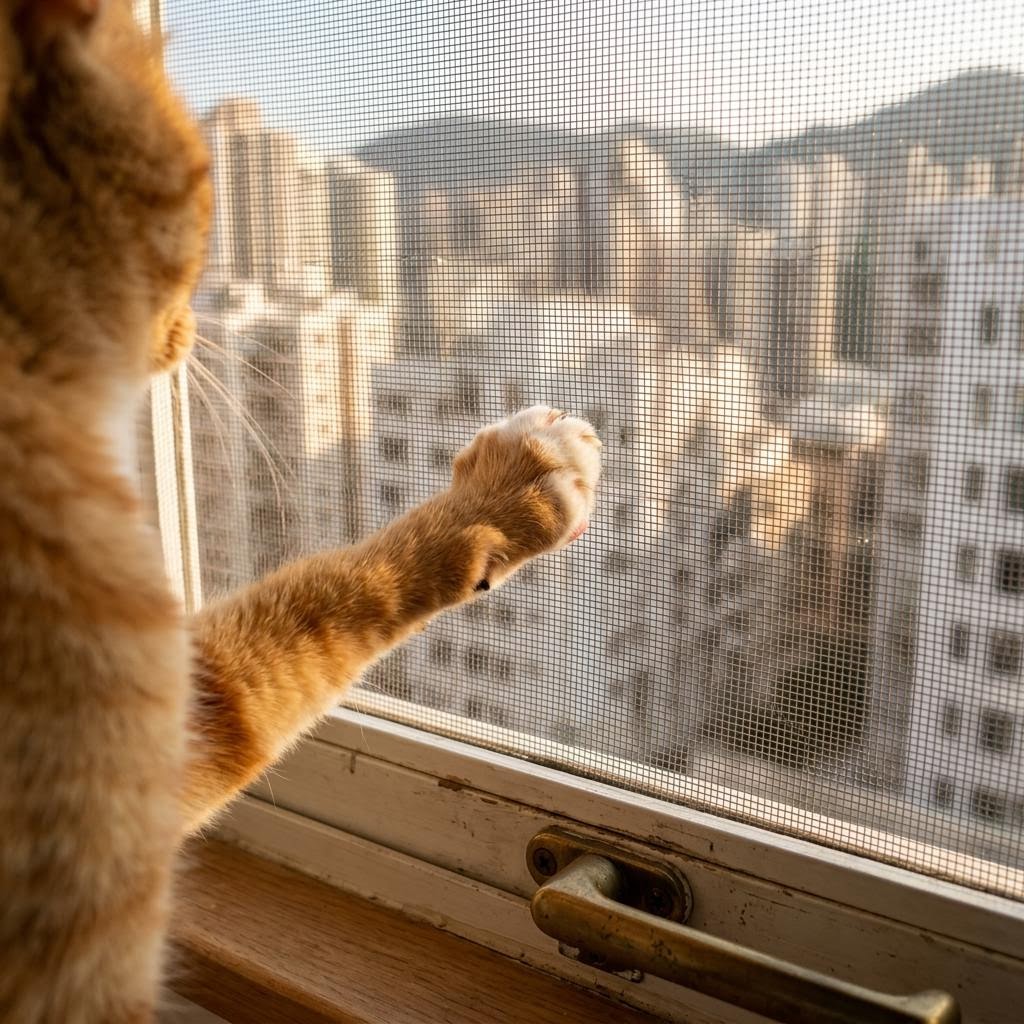
A cat’s curiosity may drive them to explore the edge of the screen or approach the fittings, so it is necessary to ensure the safety of these areas. You may consider adding some barriers around the screen to reduce the chance of cats coming into contact with potential dangers.
Provide a safe outdoor environment

1. Avoid placing dangerous items

Within the cat screen area, avoid placing any potentially dangerous items, such as sharp objects or fragile decorations. In addition, if setting up a cat screen in an outdoor environment, make sure there are no potential predators nearby, such as dogs or other animals, so as to avoid a threat.

2. Provide a comfortable resting area

Set up a comfortable resting area inside the cat screen so the cat can feel secure. You can add cushions, a cat tree or hiding places that the cat likes, so that they can find a safe shelter at any time while outdoors.

Looking for help from a professional team

If you still have questions about cat screen installation or later maintenance, seeking help from a professional team is a very wise choice. A professional team has extensive experience and knowledge, and can provide suitable advice and services to help you choose the safest installation plan and carry out the necessary inspections and maintenance. In addition, professional installation can ensure the stability and safety of the cat screen, reducing the risk of cats escaping.

When choosing a professional team, it is recommended to check their reviews and past cases, and choose a reputable company to ensure service quality.

The installation of cat screens provides cats with a safe outdoor activity space, but subsequent maintenance and inspection are equally important. By regularly checking the integrity of the cat screen, observing the cat's behavior, and providing a safe outdoor environment, you can effectively prevent the cat from escaping and ensure their safety and health. If needed, don't forget to seek help from a professional team. We hope these suggestions can help you and your cat enjoy safe and pleasant outdoor time!

Frequently asked by readers

FAQ

3 FAQs related to this article
Q1What is the difference between cat screens and insect screens?

Mosquito nets are mainly used to prevent mosquitoes and insects. The mesh is relatively fine but is not necessarily claw-resistant, and it is not a pet barrier either; cat screens mainly use more claw-resistant materials or structures, and are used to reduce the chance of cats contacting the outside of the window. Most styles also have mosquito-prevention functions.

Q2After installing cat screens, can they completely prevent cats from falling from heights?

Guarantee cannot be made. Cat screens can reduce the risk, but no window screen can replace locking the window and daily supervision. Please check the screen mesh and fixing points regularly.

Q3Which cat screen is most suitable for my home?

Depending on the window type, the cat's personality, the fixing surface, and the budget. You can compare lockable full-open / triple-slide cat insect screens, Italian cat insect-proof roll-up screens, magnetic types and hinged-door types; transparent window grilles must also be assessed according to the fixing method. The insect-proof data for ordinary HD, Japanese ultra-high-definition, and adhesive insect screens is not enough to prove suitability as pet barriers. Recommendations will be made on-site during measurement according to the actual situation.

View all FAQs

Continue reading

Related guides

Handled by dedicated staff

Related services

View full price list

Professional assistance

Want to learn about Cat screen installation?

Send us photos of the installation location so we can understand the style, measurement and quotation arrangements.

The button will only open WhatsApp and prefill a message; it will only be sent after you confirm it.