Back to the window screen encyclopediaComplete guide to cat screen installation: ensure your beloved cat’s safety

Complete guide to cat screen installation: ensure your beloved cat’s safety

Table of contents

Cat-owning households often face a dilemma: how can they ensure their cats' safety without restricting their freedom? For cat owners living in high-rise buildings, this issue is especially important. Installing cat screens provides a solution that is both simple and effective. This article will provide a detailed guide to installing cat screens, so both beginners and experienced DIY enthusiasts can find valuable information.

The importance of cat screens

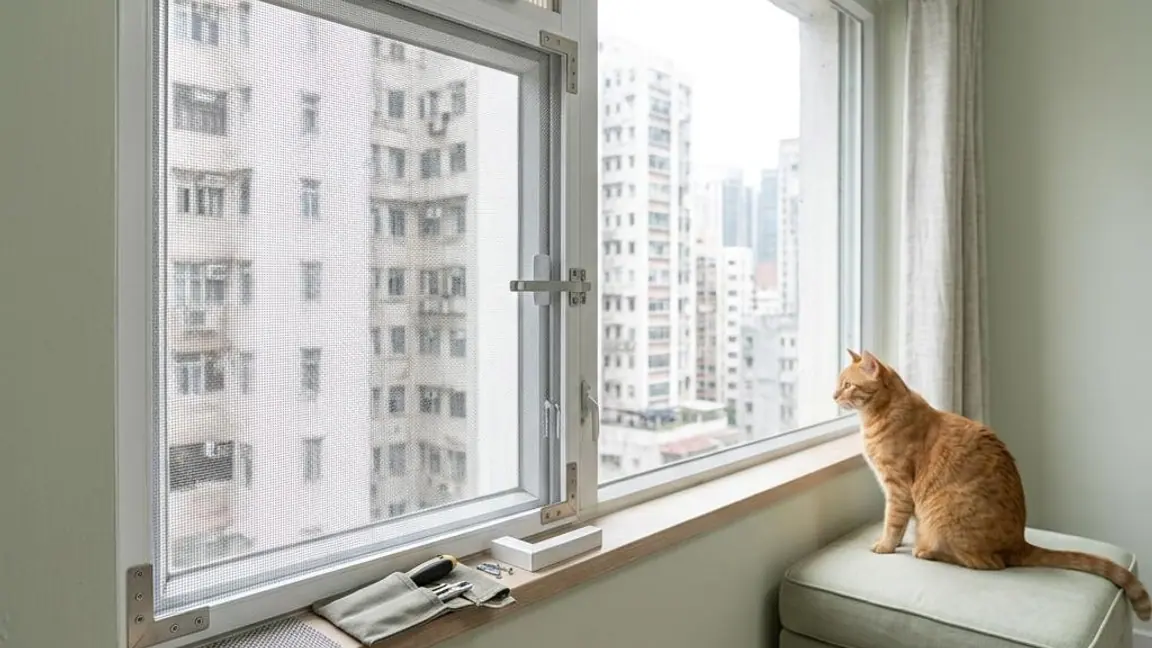
Installing cat screens ensures the safety of indoor cats, preventing them from falling from heights or escaping into dangerous outdoor environments. Especially for curious cats that like heights, cat screens are a necessary facility to ensure they do not take risks climbing onto balcony railings or out the window.

Choose the right cat screen

Material selection:

Nylon mesh: lightweight, breathable, and has little impact on the view, but may not be bite-resistant enough.

Stainless steel mesh: sturdier and more durable, suitable for active and energetic cats, but it is heavier, and installation may require stronger support.

Considerations:

Cat size and temperament: larger or particularly active cats may need a more sturdy cat screen.

Window size and type: Different window sizes and opening methods may affect the installation method of the cat screen.

Rental restrictions: if you are living in a rented home, you may not be able to drill into walls or window frames, in which case you can choose no-mark hooks or strong adhesive strips.

Cat screen installation steps

Prepare tools and materials:

  • Cat screen

  • Tape measure

  • Spirit level

  • Drill bit and electric drill

  • Screws and plastic expansion plugs

  • Hook, buckle ring, or special fixing clip

  • Scissors or professional net-cutting tool

  • Safety gloves

Measure and mark:

  • Use a tape measure to carefully measure the area where the cat screen needs to be installed, including the length and width of the window or balcony.

  • Mark the positions of the fixing points on the window frame or wall with a pen, making sure the markings are straight and appropriate.

Fixed support point:

  • Use an electric drill to drill holes at the marked positions, and note to choose a drill bit suitable for the wall material.

  • Insert the plastic expansion plug into the drilled hole.

  • Screw the hooks or rings into the expansion bolts to ensure they are fixed securely.

Installing cat screens:

  • Unfold the cat screen into the proper position, making sure the mesh is flat and not touching the ground.

  • Cut the cat screen to a suitable size according to actual needs.

  • Use safety gloves to prevent your hands from being cut by the mesh-cutting tool or the mesh.

  • Fix the edge of the cat screen to the hooks or loops installed earlier.

  • Confirm the tension of the cat screen; it must not be too tight, to avoid tearing, and it must not be too loose, to prevent the cat from crawling out from underneath the screen.

Check and adjust:

  • Carefully inspect every fixing point to ensure the cat screen is secure and firmly fastened.

  • Adjust the mesh position to ensure there are no large gaps or loose sections.

  • Observe your cat’s reaction to the cat screen to make sure they cannot pass through the mesh or damage the mesh structure.

  • If necessary, carry out further fixing or reinforcement.

Safety notes

  • When working at height, please pay attention to personal safety and use a safety harness when necessary.

  • Make sure tools and materials are kept away from cats to prevent them from being injured out of curiosity.

  • After installation, regularly inspect the integrity of the cat screen and replace damaged parts promptly.

  • By following the above guide, you can create a safe indoor environment for your beloved cat without worrying about its safety. Remember, the material, installation method, and regular inspection of the cat screen are all indispensable factors in protecting your beloved cat's safety.

Frequently asked by readers

FAQ

3 FAQs related to this article
Q1What is the difference between cat screens and insect screens?

Mosquito nets are mainly used to prevent mosquitoes and insects. The mesh is relatively fine but is not necessarily claw-resistant, and it is not a pet barrier either; cat screens mainly use more claw-resistant materials or structures, and are used to reduce the chance of cats contacting the outside of the window. Most styles also have mosquito-prevention functions.

Q2After installing cat screens, can they completely prevent cats from falling from heights?

Guarantee cannot be made. Cat screens can reduce the risk, but no window screen can replace locking the window and daily supervision. Please check the screen mesh and fixing points regularly.

Q3Which cat screen is most suitable for my home?

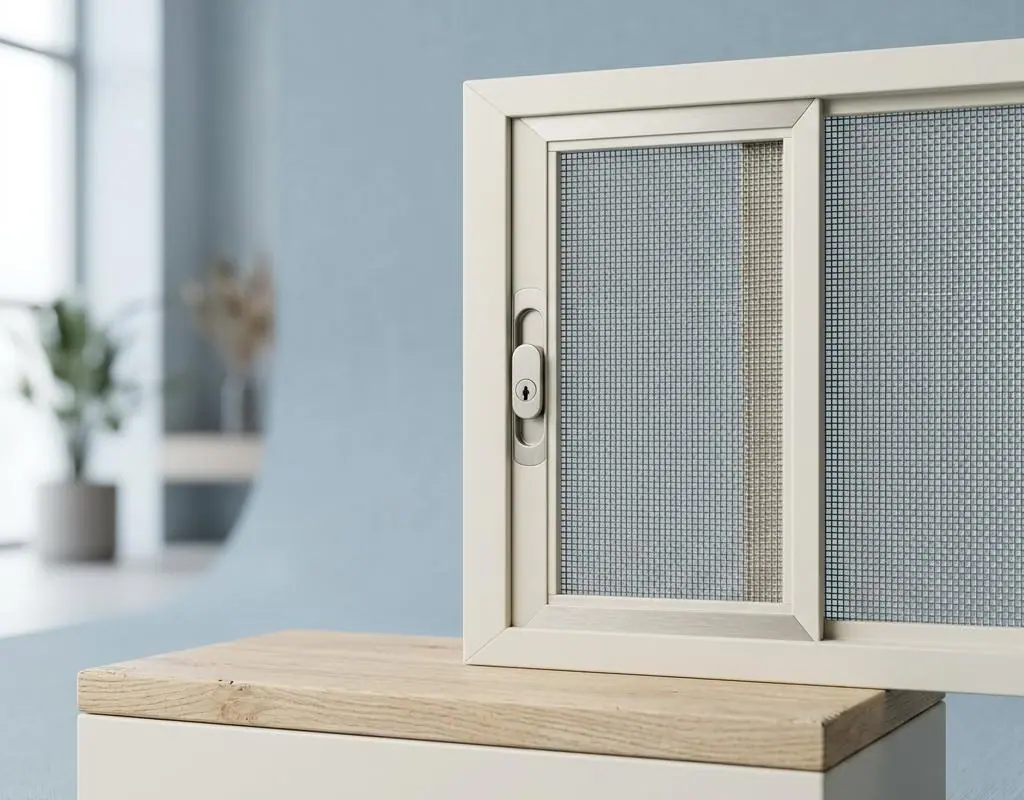
Depending on the window type, the cat's personality, the fixing surface, and the budget. You can compare lockable full-open / triple-slide cat insect screens, Italian cat insect-proof roll-up screens, magnetic types and hinged-door types; transparent window grilles must also be assessed according to the fixing method. The insect-proof data for ordinary HD, Japanese ultra-high-definition, and adhesive insect screens is not enough to prove suitability as pet barriers. Recommendations will be made on-site during measurement according to the actual situation.

View all FAQs

Continue reading

Related guides

Handled by dedicated staff

Related services

View full price list

Professional assistance

Want to learn about Cat screen installation?

Send us photos of the installation location so we can understand the style, measurement and quotation arrangements.

The button will only open WhatsApp and prefill a message; it will only be sent after you confirm it.