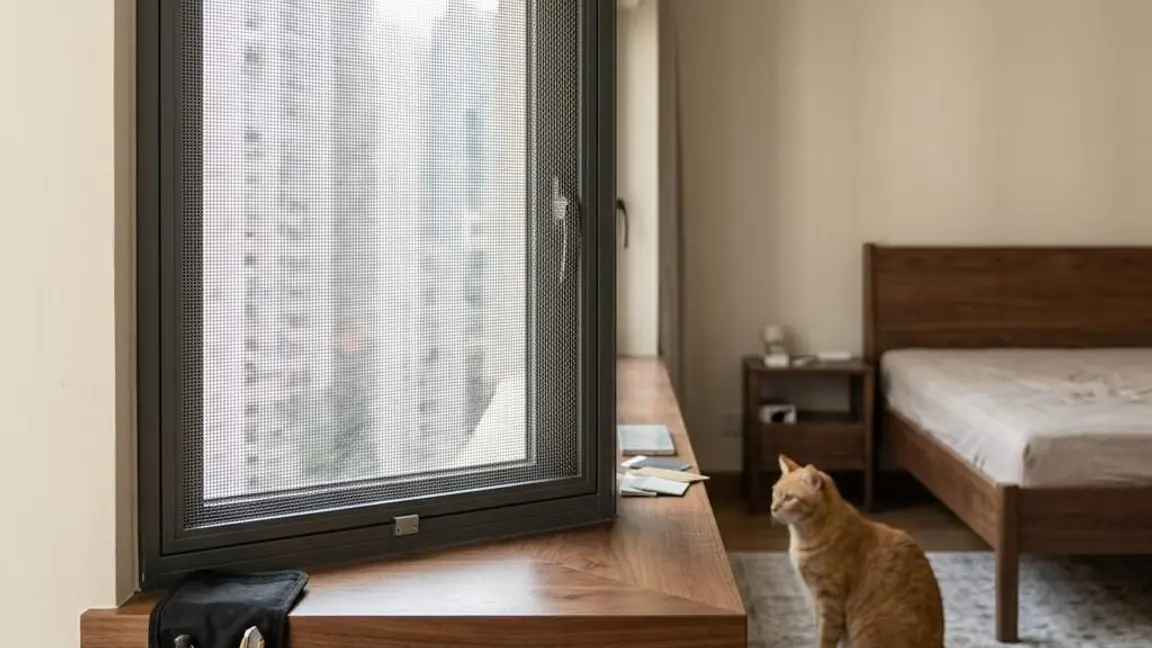
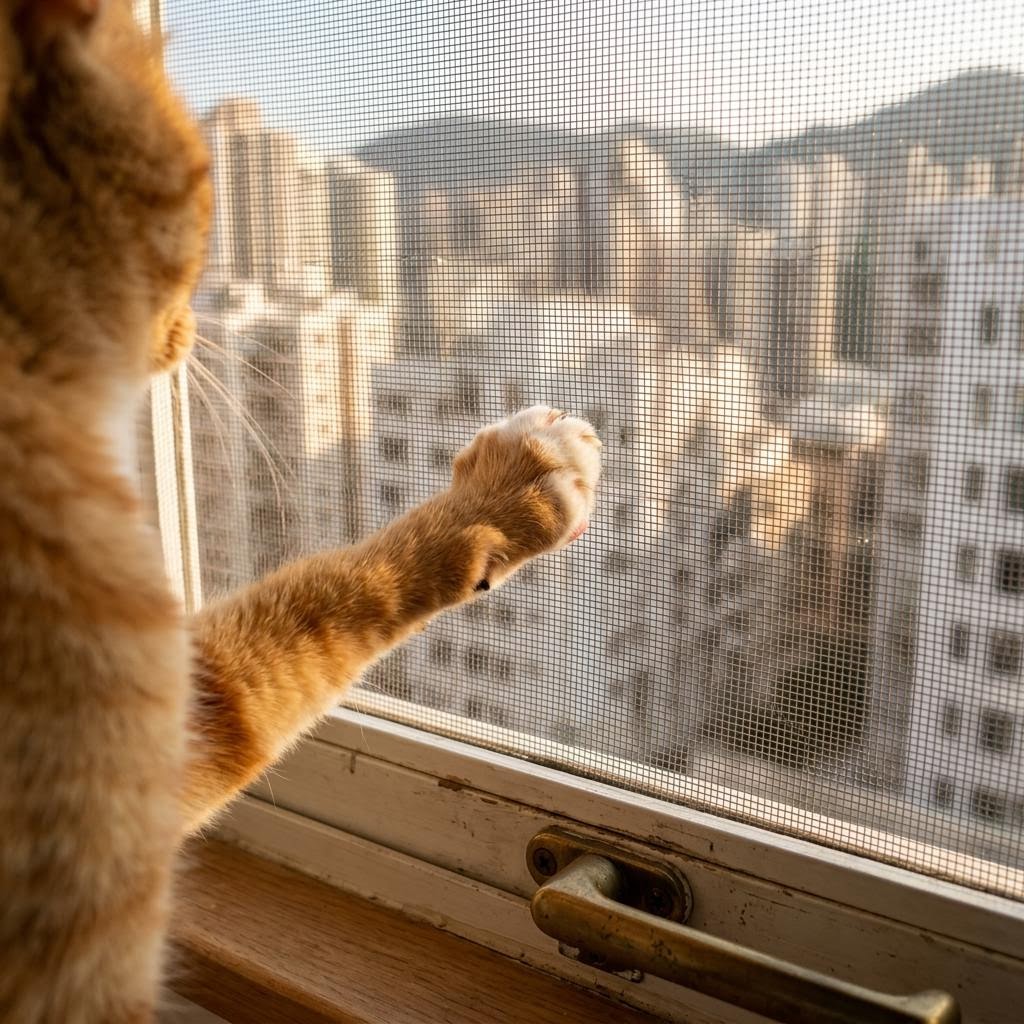
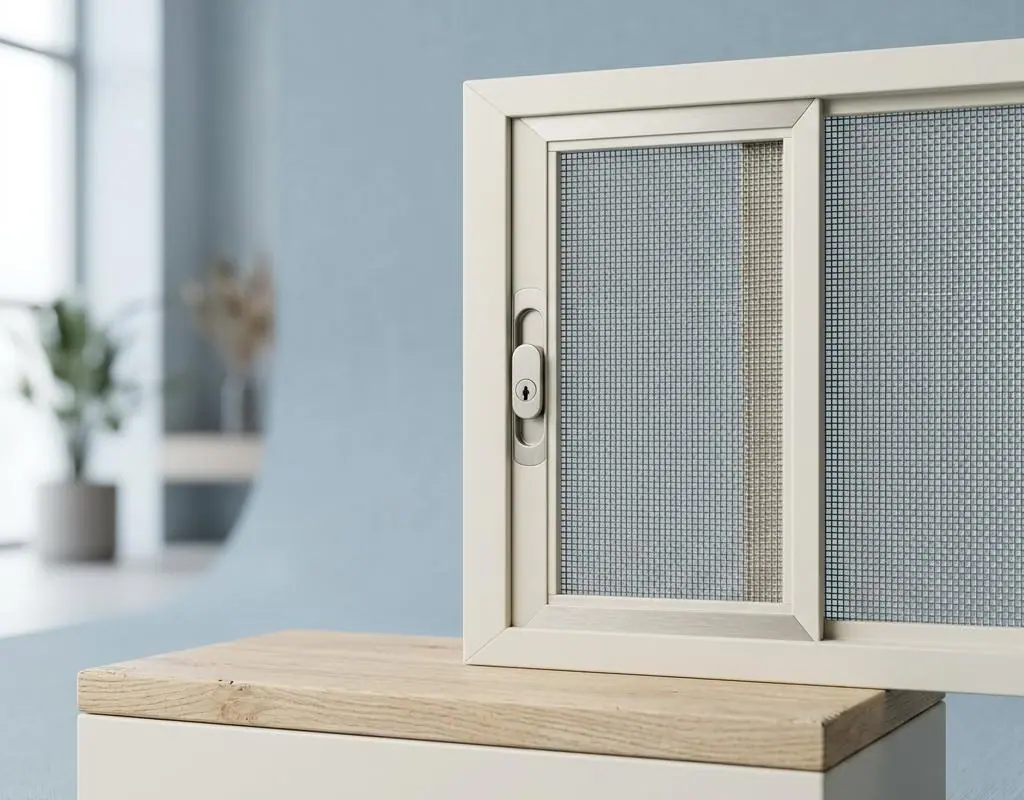
As people pay more and more attention to pets and the living environment, keeping cats has become part of daily life for many families. However, how to coordinate well with cat screen installation during home renovation is a key issue that many owners care about. This article will cover renovation preparation, cat screen installation, post-renovation maintenance and other aspects, hoping to be helpful to you who are renovating your home.
Preparations before renovation
Assess the cat’s activity area
Before formally starting the renovation, the homeowner should first assess the structure of the house and the main areas where the cat moves about. Cats usually like to move and rest in high places such as window sills and balconies, so these areas require special attention during renovation. The homeowner can sketch out the cat’s activity range in advance and reserve it in the design.
Choose Cat Screen Materials
The choice of cat screen material is also important. Common types include steel mesh, nylon mesh, and aluminum alloy mesh. Each material has its own advantages and disadvantages, and owners should choose according to their needs and budget. For example, steel mesh is highly durable but heavier, while nylon mesh is lightweight and soft, but has slightly lower tensile strength.
Reserve space for cat screen installation
When carrying out home renovation, owners should reserve enough space for the installation of cat screens. If it is a new home renovation, the installation of cat screens can be directly taken into consideration during the design stage. For renovation of an existing home, the existing structure needs to be assessed and space reasonably allocated.
Cat screen installation
Looking for professional team help
Given that cat screen installation involves professional issues such as structural strength and safety, it is best to seek assistance from a professional team. A professional cat screen installation company can not only provide advice on choosing cat screens, but also formulate the best installation plan according to the actual situation to ensure the firmness and safety of the cat screens.
Cat screen installation by area
In the actual installation process, a zoned approach can be considered. First install the cat screens for the main activity area, and after the main part is completed, gradually expand to other areas. This can not only shorten the construction period, but also maximise the living space for cats during the renovation period.
Pay attention to your cat's psychological needs
During the installation process, the psychological needs of the cats should also be fully considered. Some toys or resting places that cats like can be placed near the cat screen to reduce their discomfort with environmental changes. At the same time, attention should also be paid to keeping quiet during the installation process and minimising disturbance to the cats.
Maintenance after renovation is completed
Regular inspection of cat screens
After the cat screen is installed, the owner needs to inspect it regularly and promptly identify and repair any damaged or loose areas. This not only ensures the cat’s safety, but also extends the service life of the cat screen.
Develop good habits for your cat
In addition to focusing on the maintenance of the cat screens themselves, owners should also cultivate good home habits in their cats. For example, teach them not to climb on, bite or scratch the cat screens, so as to avoid damage. At the same time, trim the cats' claws regularly to prevent them from accidentally scratching the cat screens.
Looking for professional team help
In the process of home renovation, how to coordinate effectively with cat screen installation does require certain professional knowledge and experience. Homeowners can seek help from a professional renovation company or cat screen installation company, who can provide professional advice and solutions. A professional team can not only formulate the best renovation and cat screen installation plan according to the specific situation, but also guide the homeowner on how to carry out daily maintenance well, ensuring the safety of the cat and the beauty of the home environment.
Good coordination between home renovation and cat screen installation can not only create a comfortable and safe living environment for owners, but also maximise the activity needs of cats. As long as full preparations are made before renovation, professionalism and the cats’ psychological needs are emphasised during the installation process, and daily maintenance is properly carried out after completion, I believe an ideal cat-friendly home can certainly be created.