As a responsible cat slave, what one worries about most is their master having an accident at home, especially for owners living on high floors, where the risk of cats falling or escaping is higher. Therefore, installing "Cat screen” has become an essential protective measure for many cat households. But there are many types of cat screens on the market; how should you choose the safest and most suitable style? This article will start fromMaterial, installation method, durabilityand other aspects to help you create the safest home environment for your beloved cat!
Why do you need to install cat screens?
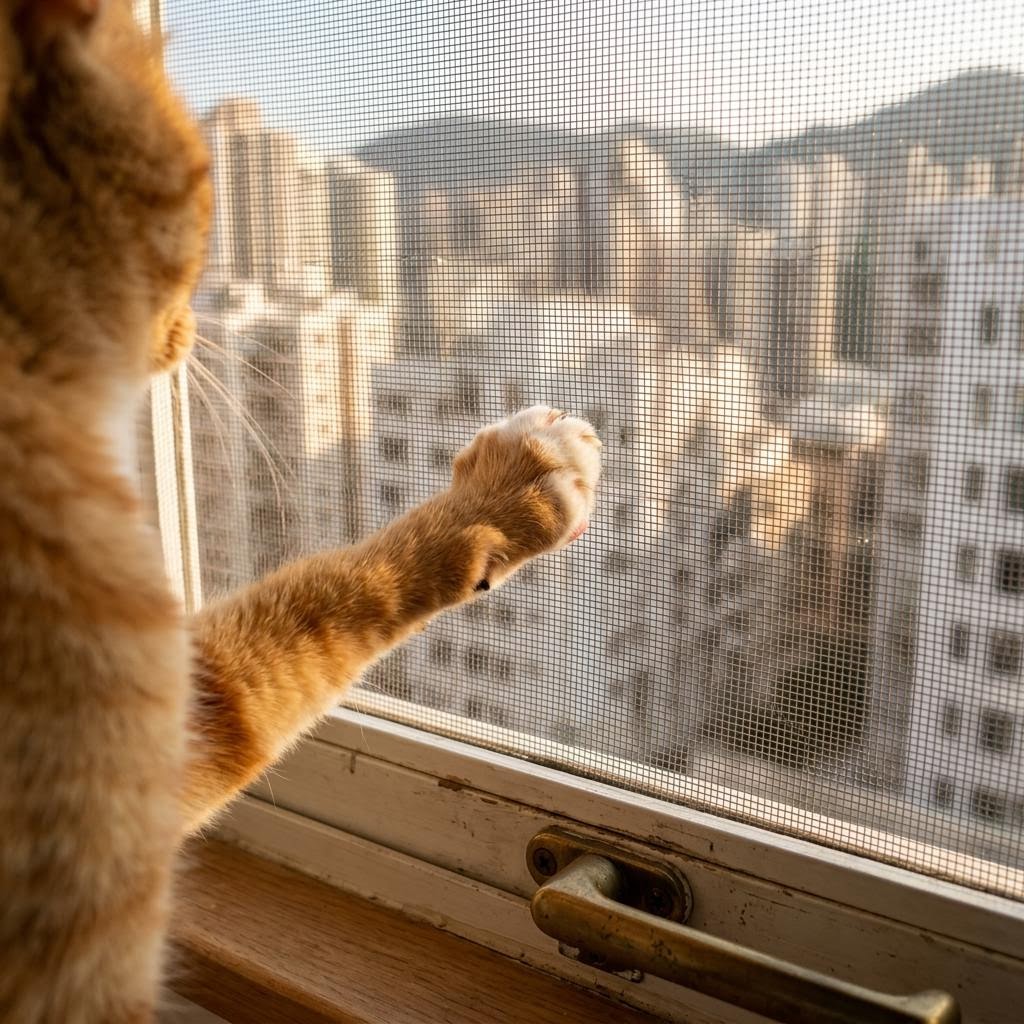
Cats are naturally curious and like climbing and jumping, especially cats living in apartments or high-rise buildings. If you are not careful, the following dangers may occur:
Falling-from-height risk: Cats may fall while chasing birds or insects.
Escape risk: Unneutered cats in heat may try to rush out of the home.
Protection against other animals: Prevents stray cats and birds from entering the balcony, causing conflict or disease transmission.
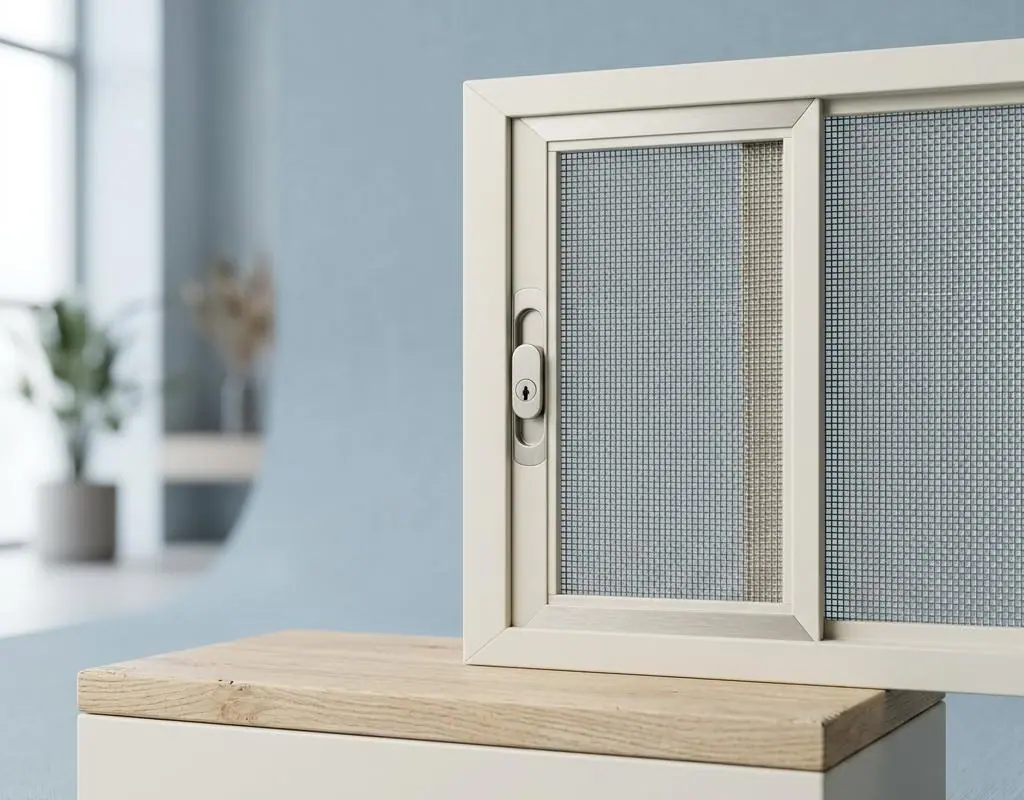
Therefore, installationDedicated cat screen(rather than ordinary window screens or insect screens) are an important measure to protect your cat’s safety!
Key factors in choosing cat screens
Material: Which is the most durable and scratch-resistant?
The material of cat screens directly affects protective performance and durability. Common types include:
Material | Advantages | Disadvantages | Suitable situations |
Polyethylene (PE) | Low price, lightweight, easy to install | Not scratch-resistant, easily damaged by cats | Short-term use, limited budget |
Nylon (Nylon) | Strong toughness, more scratch-resistant | Long-term exposure may make it brittle | Suitable for general households |
Stainless steel mesh | The strongest, bite-resistant and scratch-resistant | High price, heavier, less visually attractive | Multi-cat households, lively and active cats |
Polyester fiber (Polyester) | Good weather resistance, UV-resistant | Moderate price, high-density weave required | Long-term outdoor use |
Recommended choice:
If the budget is sufficient, it is recommended to chooseHigh-density polyester fiber or steel mesh, offers the best durability.
Avoid using ordinary insect screens or sheer mesh, as cats can easily claw through them.
Mesh density: prevent a cat's head from getting stuck
A cat's head width is about 5-8 cm, so the mesh spacing shouldLess than 5 cm, to prevent your cat from getting stuck or squeezing out when it pokes its head out.
Weather resistance: sun protection, rust resistance, anti-aging
If the cat screen is installed on a balcony or outside the window, you need to chooseUV-resistant, rust-resistantMaterial, to avoid becoming brittle due to long-term exposure to sun and rain.
Comparison of cat screen installation methods
🔧 Fixed installation (permanent protection)
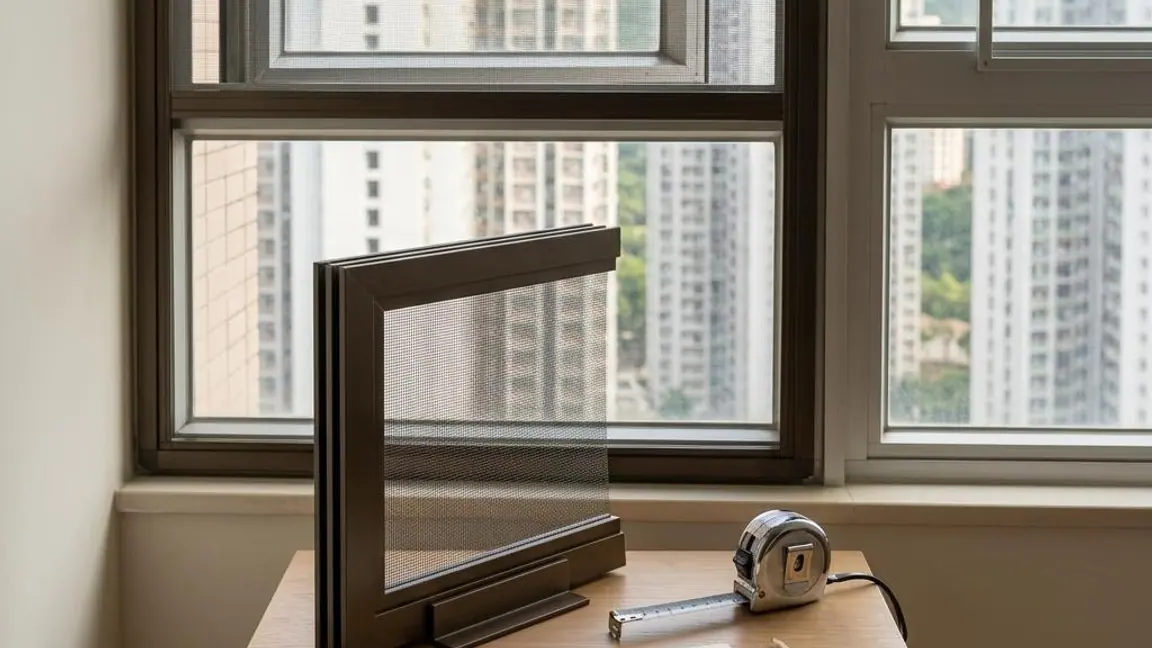
Applicable scenarios: Fixed areas such as balconies, windows, stairwells, etc.
Advantages: Sturdy and not easily damaged by cats.
Common methods:
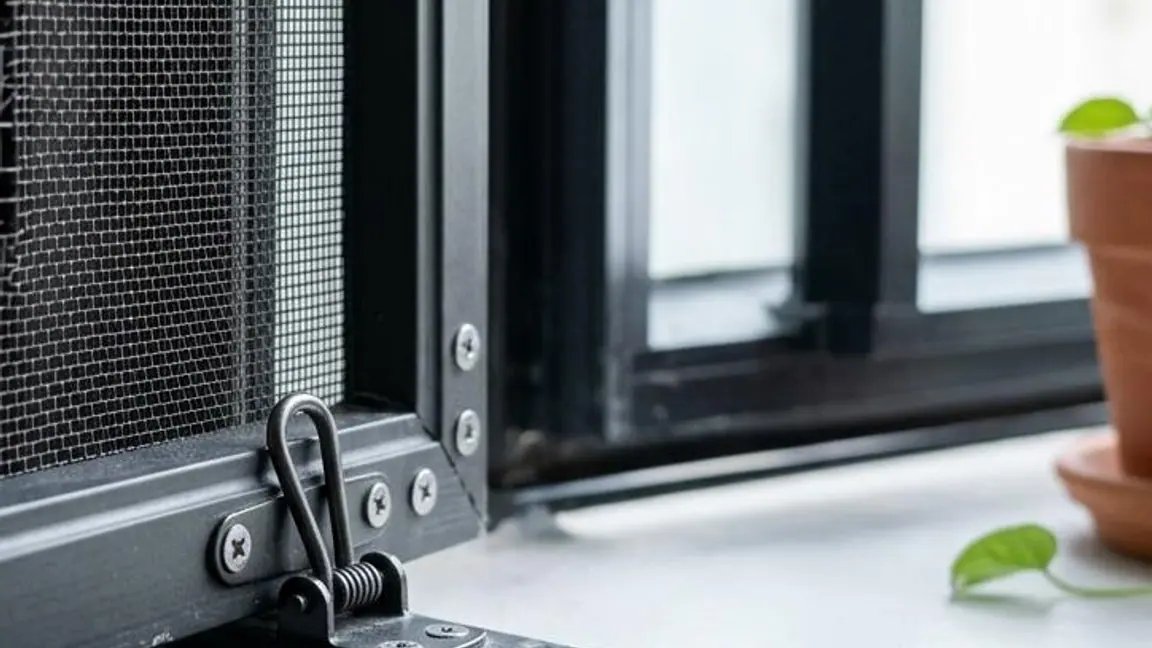
Screw fixing: Use stainless steel screws to secure the screen frame to the wall.
Pull cord + hook: Suitable for tenants; removable and will not damage walls.