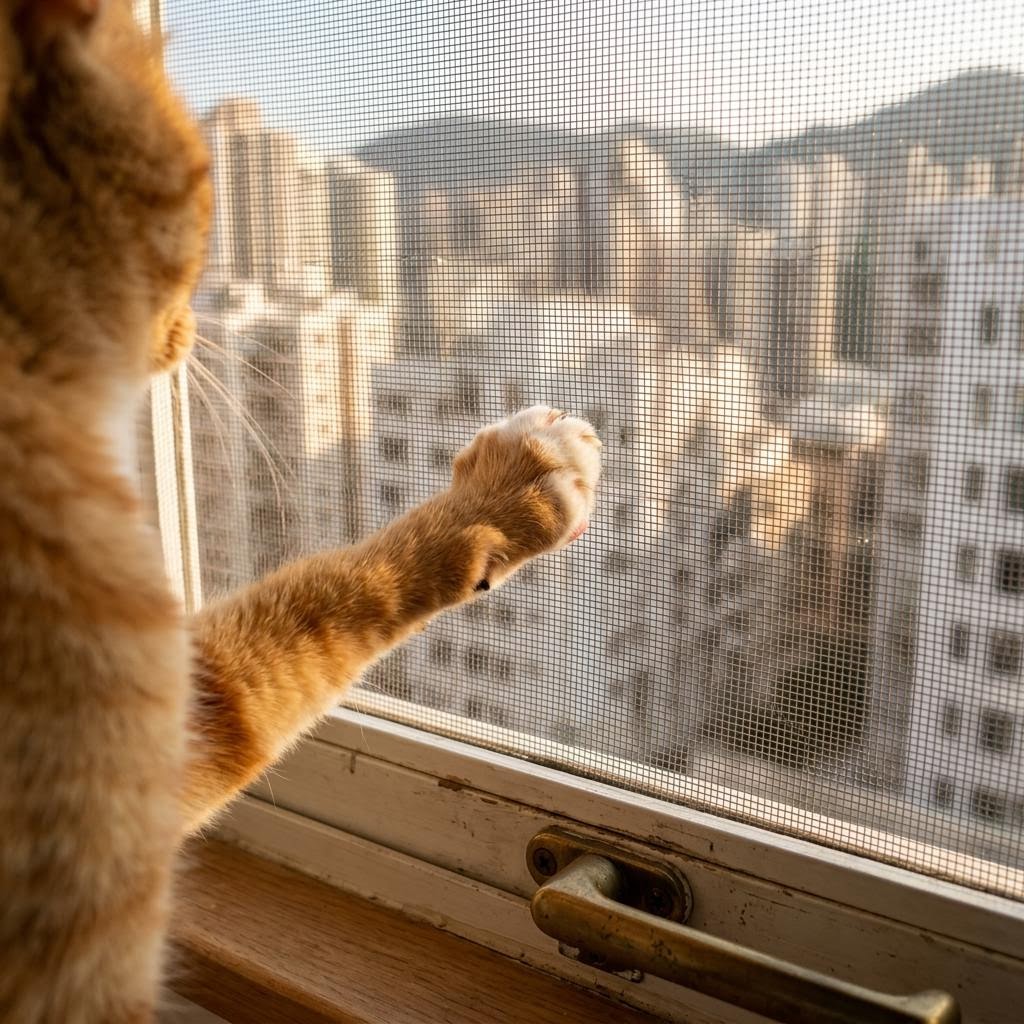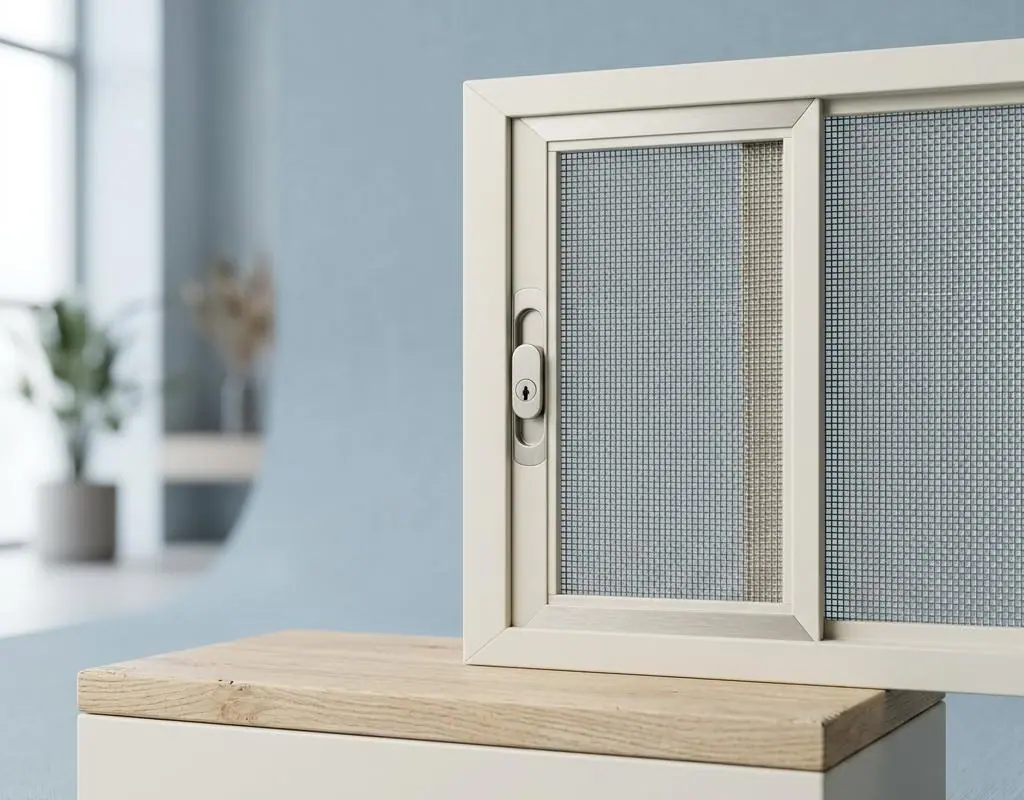
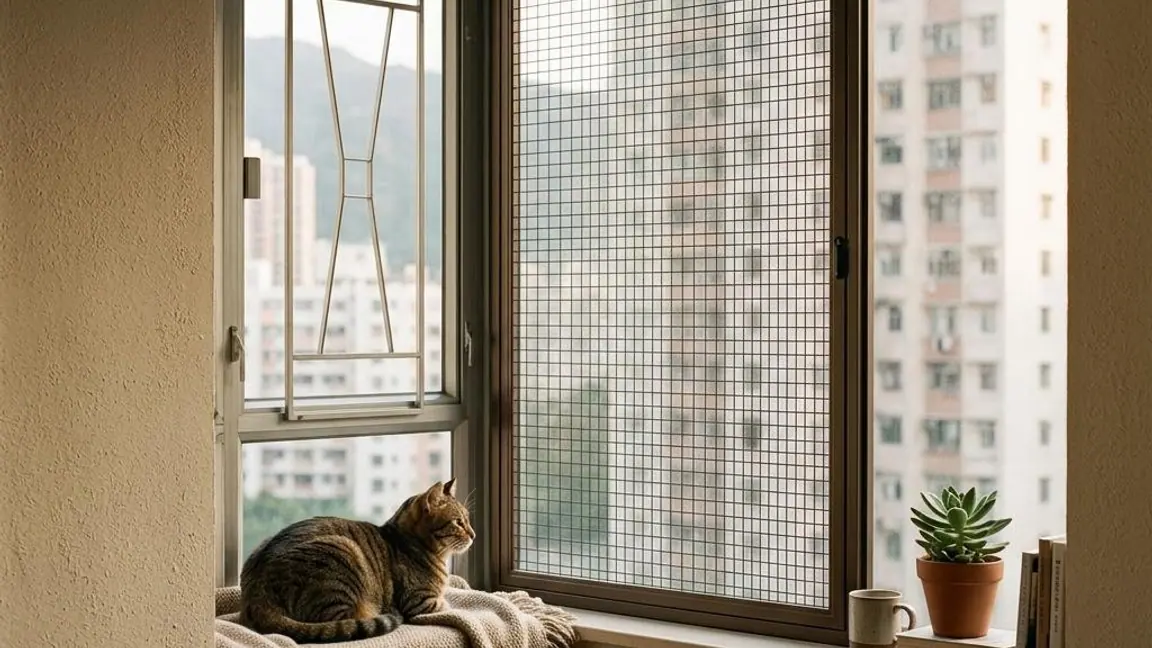
To ensure our cats can move safely at home, many cat owners choose to install cat protection screens. For those living in high-rise apartments or with open balconies, protection screens are an essential piece of equipment to prevent cats from falling from height. This article will discuss in more detail the related knowledge of choosing, installing, and maintaining cat protection screens.
Selection of cat protective screens
Choosing a suitable cat safety screen requires considering the following factors:
Material:The material of cat protective screens should be bite-resistant, scratch-resistant, and have a certain strength. Nylon or metal mesh are both good choices. Nylon mesh has a certain degree of elasticity and can absorb impact when cats jump; metal mesh is more sturdy and can withstand cats' scratching and biting, and can bear greater pressure.
Size:The mesh opening size of cat protective screens should be small enough to prevent a cat's head or body from passing through the mesh openings. Generally speaking, the mesh opening size should be smaller than the size of a cat's head.
Installation method:When choosing a cat protection screen, you also need to consider whether its installation method is simple and whether it can be securely fixed to the window or balcony. In addition, considering whether it is easy to remove is also an important factor, especially for users in rental homes.
Transparency:Cat protective screens should have a certain degree of transparency, allowing cats to see the scenery outside the window, which is also beneficial to cats' mental health.
Installation of cat protective screens
When installing cat screens, you need to prepare some tools, such as a drill, screwdriver, ruler, etc. The installation steps are as follows:
Measurement:First, you need to measure the height and width of the window or balcony so that you can buy a protective net of the appropriate size.