Curtains are not only an important element of interior decoration, they also play a role in controlling natural light and protecting privacy. A perfect set of curtains can blend into and enhance the overall interior design style while providing practical function. This article will take an in-depth look at the five key points in choosing curtains, from material to design, to help you find the curtains that best suit you.
Curtain selection | Material selection: blackout and ventilation considerations
The material of curtains has a significant impact on their blackout level, privacy protection, and overall appearance. Common curtain materials range from thin and transparent gauze to thick velvet, and more.
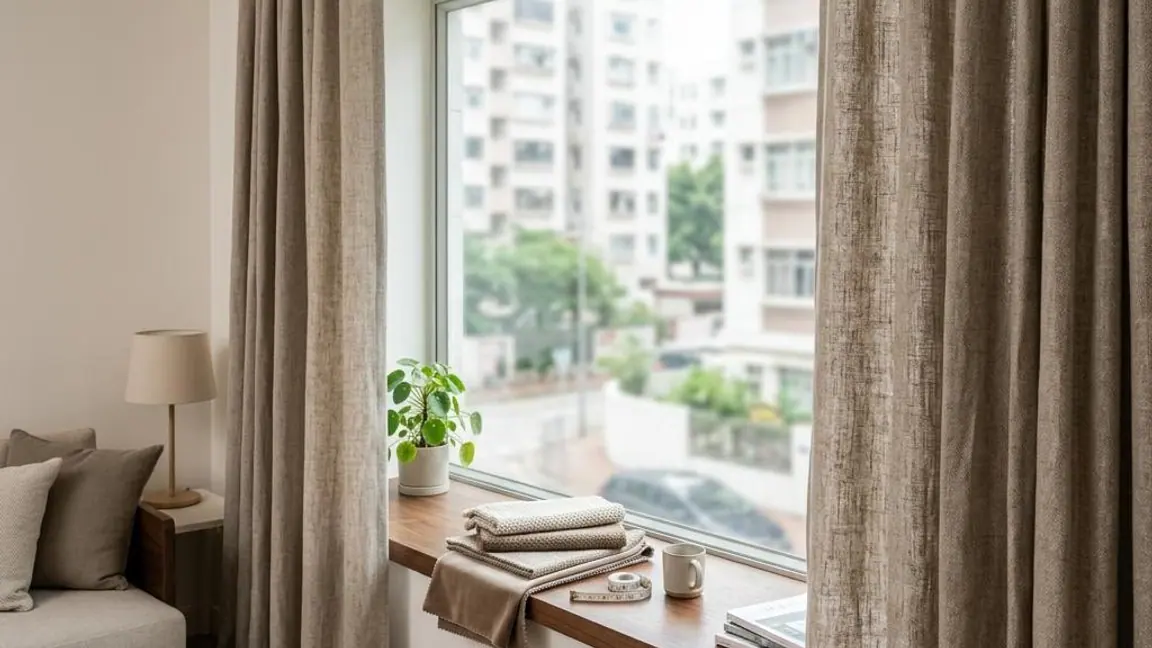
Lightweight material:Such as sheer fabric and cotton-linen, which can let in soft natural light while providing good ventilation, but these materials are weaker in privacy protection.
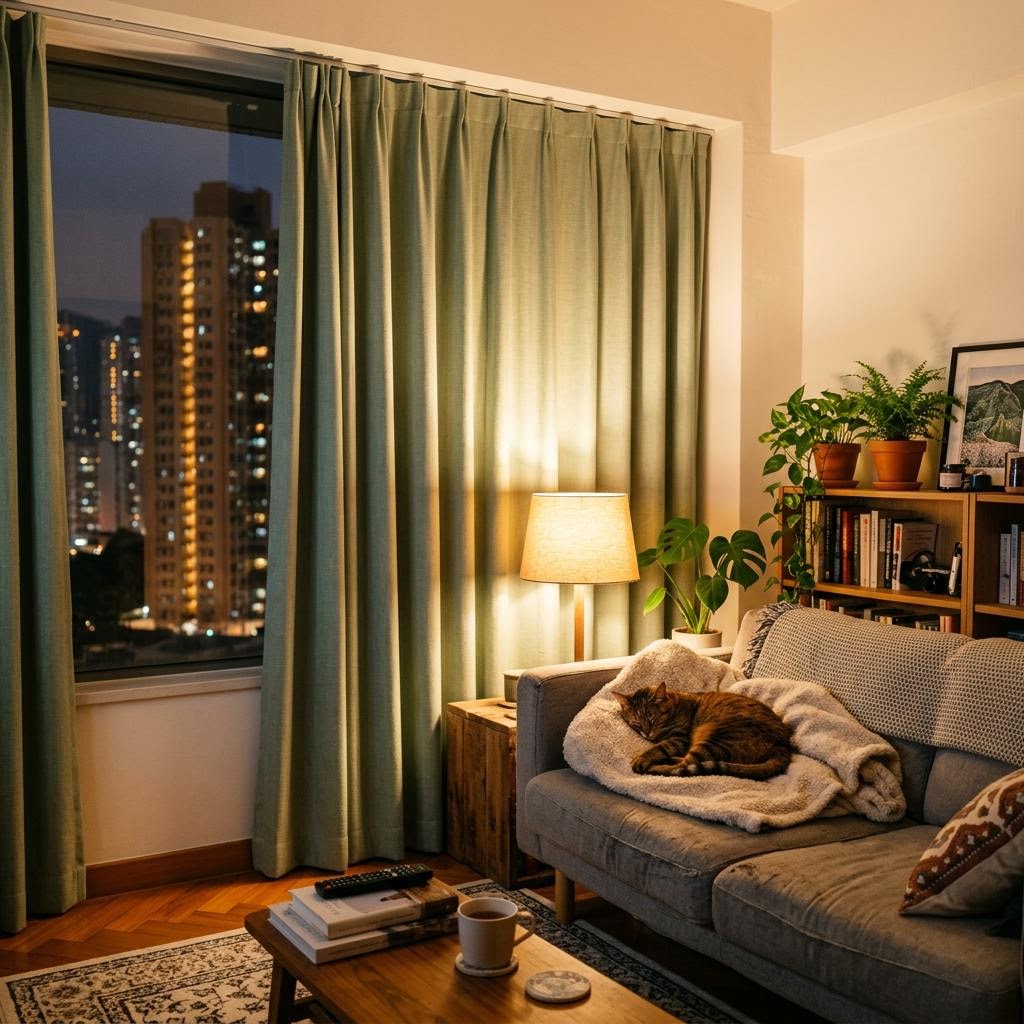
Thick material:Such as velvet, linen or blackout cloth, which have excellent light-blocking and privacy protection effects, but may block some natural light.
In particular, when choosing curtain material, the function of the room should be considered. For example, a bedroom may require better blackout performance, while a living room may need more natural light.
Curtain selection | Colours and patterns: creating atmosphere and style
Curtain colours and patterns can strengthen your interior design theme while creating a specific atmosphere. When choosing curtain colours and patterns, you need to consider the following points:
Consistency with indoor colour scheme:Curtains should coordinate with the room's overall color theme, or choose contrasting colors to create visual tension.
Pattern selection:Patterned curtains can bring vitality and personality to a room, but if the room already has many patterns (such as wallpaper or furniture), it is recommended to choose simple solid-colour curtains to avoid visual clutter.
Curtain selection | Size and shape: choose according to window type
The size and shape of the curtains should be selected according to the size and shape of the window to ensure the best effect. You need to measure the width and length of the window, then go to the store to buy suitable curtains.
In addition, the length of the curtains will also affect the visual effect of the room. Long curtains can make the room look taller, while short curtains can create a relaxed and comfortable atmosphere. When choosing curtain length, you should consider the space below the window and the atmosphere you want.
Curtain selection | Installation method: fixed and movable
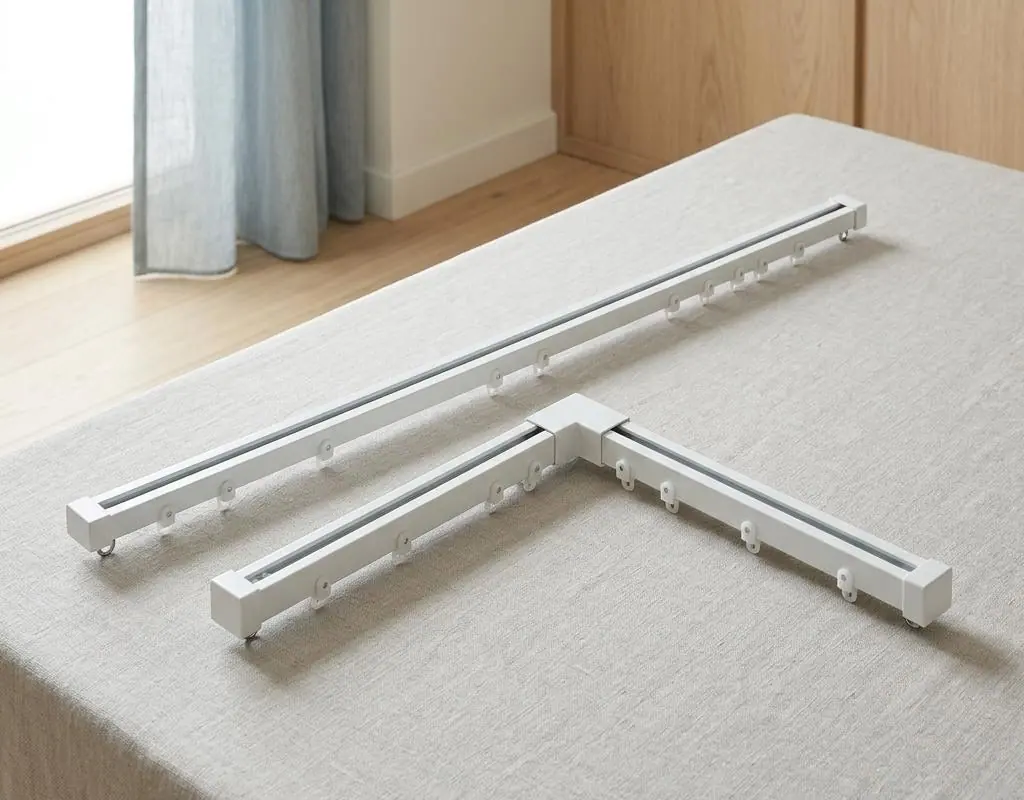
Curtain installation method is also an important factor to consider when choosing curtains. There are mainly two installation methods: fixed and movable.
Fixed type:Curtains of this type are usually used in places with a strong decorative feel, where they do not need to be opened and closed frequently, such as living rooms or dining rooms. Fixed curtains can not only serve as decorative elements, but also provide a certain degree of privacy and light control.
Movable:This type of curtain can be opened and closed as needed, suitable for places such as bedrooms or bathrooms that require privacy and light control. Movable curtains have various operating methods, such as pull cords, turning rods, or remote control.
Curtain selection | Cleaning and maintenance: choose easy-to-clean curtains
Curtains need to be cleaned regularly to keep them looking new and extend their service life. Different materials and designs affect how curtains are cleaned and maintained; some curtains can be machine washed, while others need dry cleaning. When choosing curtains, consider how much time and effort you are willing to spend on cleaning and maintenance.
Choosing curtains is part of interior decoration. By considering the five key points above, you can find curtains that match your style, functional needs, and maintenance ability. The right curtains can not only improve your quality of life, but also add beauty to your home environment.