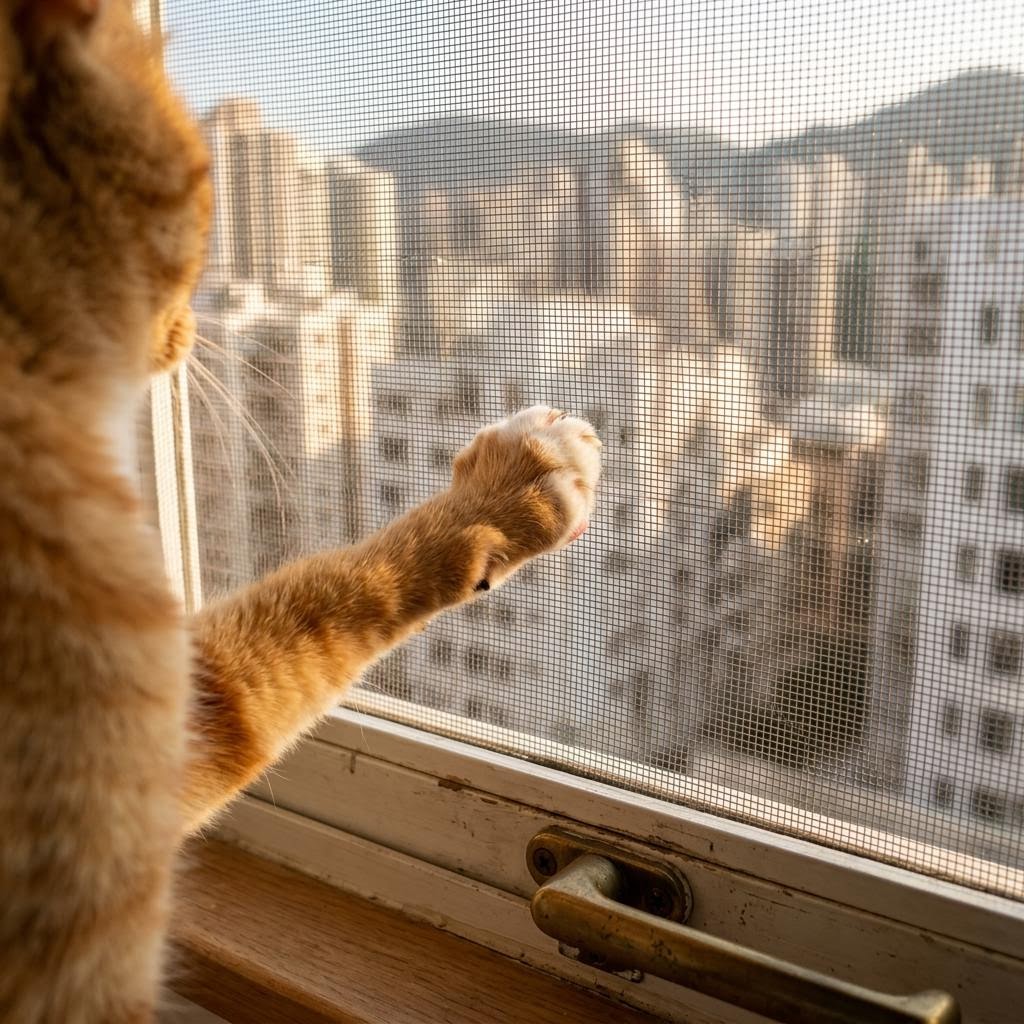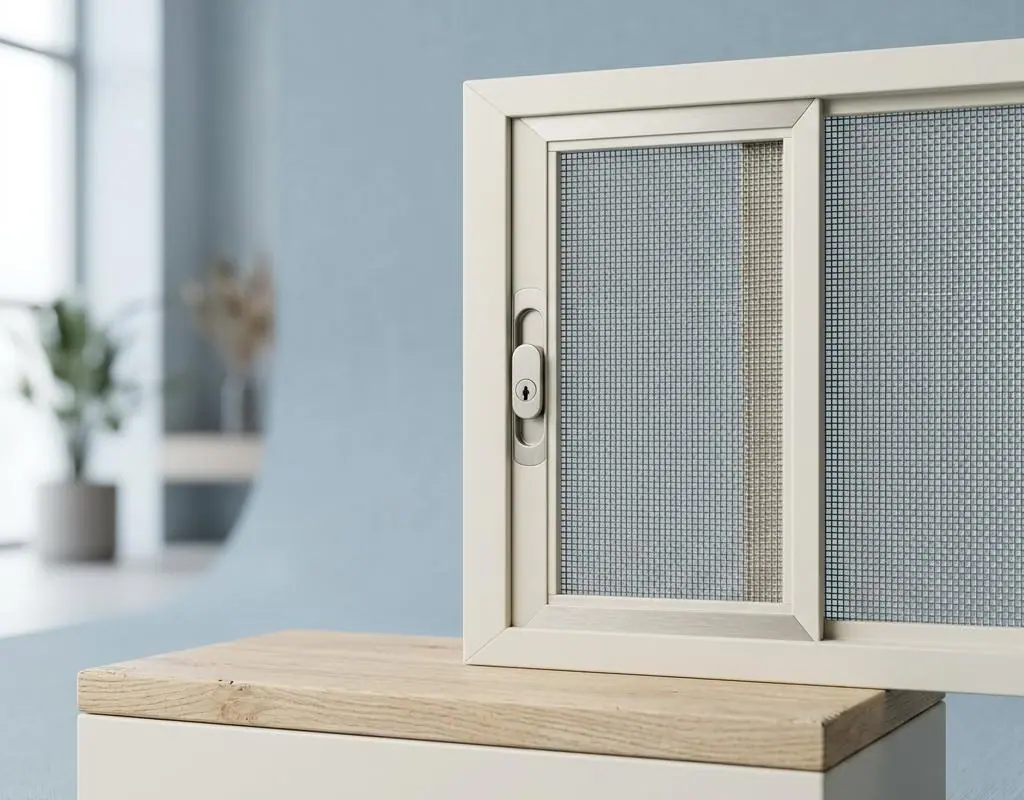
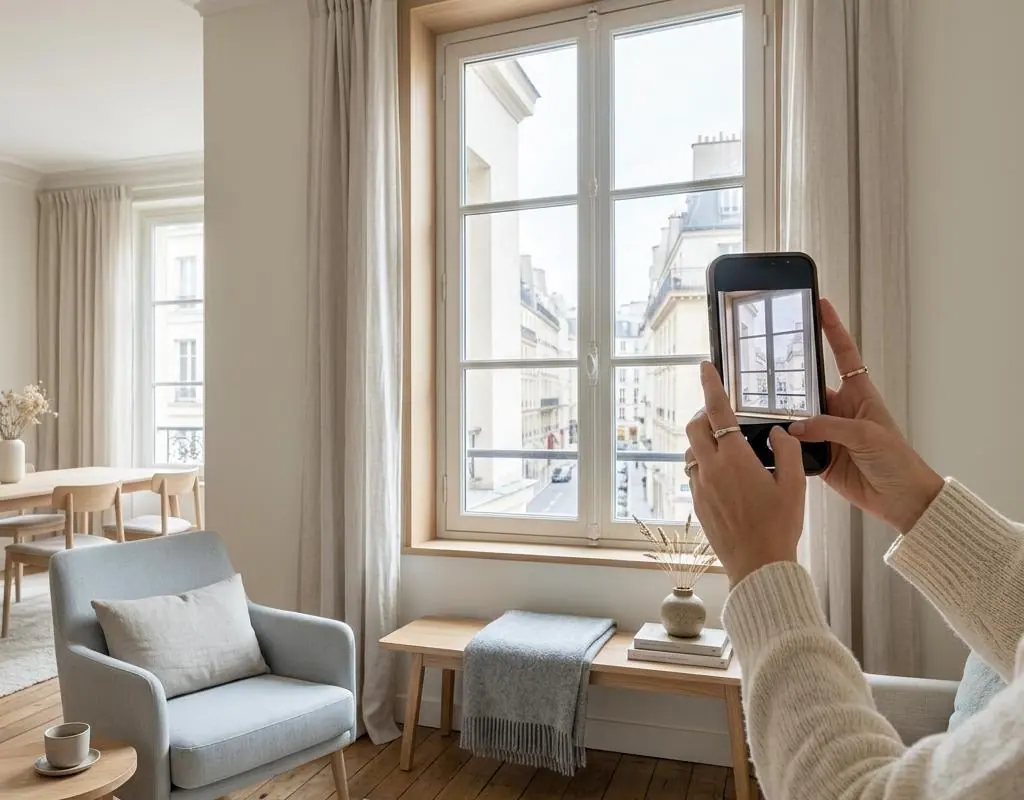
Short answer:For an initial window screen enquiry, the most useful photos are a full view of the window, close-ups of the frame and handle, and an indoor angle showing the window in normal opening position, with the location and quantity marked. There is no need to lean out of the window or remove the screen yourself; photos can only help with an initial understanding. Actual dimensions, fixing surface and the final quotation still require on-site confirmation.
First photo: include the entire window and the surrounding area in the shot
Stand in a safe position indoors and take photos showing all four sides of the window frame, window grille, windowsill, curtain and nearby furniture. A close-up of part of the mesh usually cannot show the opening and closing space, so you cannot judge from just one close photo.
If one set of windows is divided into multiple sashes, first take a photo of the whole set, then name them “living room left one” and “bedroom right window”. Avoid sending many similar photos without being able to tell which sash each one corresponds to.
Second photo: add photos of the frame, handle and existing accessories
Without dismantling any parts, take clear photos of the window handle, protruding parts of the window grille, the old rail, and the intended fixing position. If there is looseness, torn mesh, or surface peeling, take close-up photos as well and explain when it was found.
Do not cover cracks or move an abnormal window sash just to make the photos look neat. The Buildings Department reminds that window components need proper inspection, and the abnormal condition itself is assessment information.
Third photo: only take the open-window state that can be operated safely
First settle the cat, and confirm that the window can originally operate normally, then photograph the opening angle from indoors. If the sash is loose, stuck, or you need to lean out to take the photo, stop this step and explain truthfully.
The photo should show which direction the window sash moves and the handle position; there is no need to open the window to the maximum. If there is no open-window photo, you can also first provide a full view with the window closed and wait for an on-site assessment.
Besides the photo, what information should be written?
- Approximate district, floor environment, and property type such as village house/residential property.
- Whether each location is for a cat screen, an insect screen, or both purposes for comparison.
- Whether there are cats at home, which windows are commonly used, whether you are renting, and any known management restrictions.
- Window grilles, curtains and cleaning methods you want to keep.
There is no need to include your full address in the first public comment. Contact and on-site visit information should be provided through the team’s confirmed enquiry channels.
How to avoid transmitting private information at the same time?
When taking photos, pay attention to letters by the window, identity documents, computer screens, family members in reflections, and the door number. You can first move irrelevant items away, or cover private content while still keeping the window-frame details.
Do not cut away all the edges that are expected to be fixed just to preserve privacy; you may take another closer photo without background documents. The point is to provide enough to assess the window, not to account for the whole home.
What level of answer should be received after sending it?
Photos can be used to initially compare styles and point out locations that need confirmation, but they cannot accurately prove the condition of the fixing surface, millimetre dimensions, or load-bearing capacity. You need to understand the difference between "may be suitable" and "confirmed installable".
When booking the measurement, confirm again which openings need to be inspected, how the cats will be kept, and the site access. A free measurement does not mean an order has been placed, nor does it mean installation will definitely be completed on the same day.
Useful links and reference sources
- Cat screen service: style and installation assessment
- Mosquito net service: door and window mosquito-prevention choices
- Full price list: check styles, units and reference prices
- Enquiry and appointment: provide on-site photos and usage needs
- Buildings Department, Hong Kong: Common Questions about Window Repairs:Window components will be affected by use and the environment, so they must be properly inspected and maintained; window body inspection is different from self-inspection of the window screen.
- The Society for the Prevention of Cruelty to Animals in Hong Kong: Adopting and Caring for Cats:General cat-keeping advice for the protection of residences and windows, and not a test, load-bearing certification or recommendation of the products on this site.