Curtains and windows: these two elements are undeniably important in home design. How they are matched must consider aesthetics as well as functionality, especially in modern home design, where they play an even more significant role that cannot be ignored. This article will introduce in detail the selection, matching and practicality of curtains and windows.
Curtain selection and matching
Curtain selection and matching is an art. Different materials, colours, patterns and styles can create different atmospheres and effects. When choosing curtains, you need to consider the following aspects:
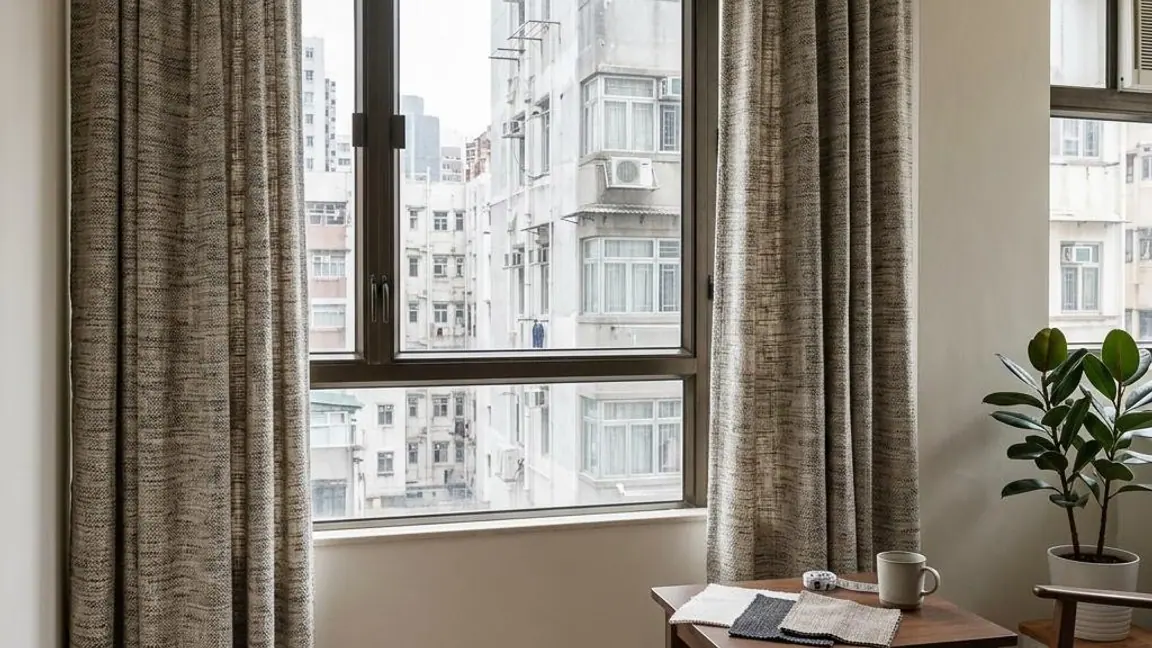
Material selection:The material of curtains directly affects their blackout performance, heat insulation, and privacy. For example, heavy velvet and silk curtains have very good blackout and heat-insulating effects, making them suitable for bedrooms and media rooms, while light cotton-linen and lace curtains let in more light and are suitable for living rooms and dining rooms.
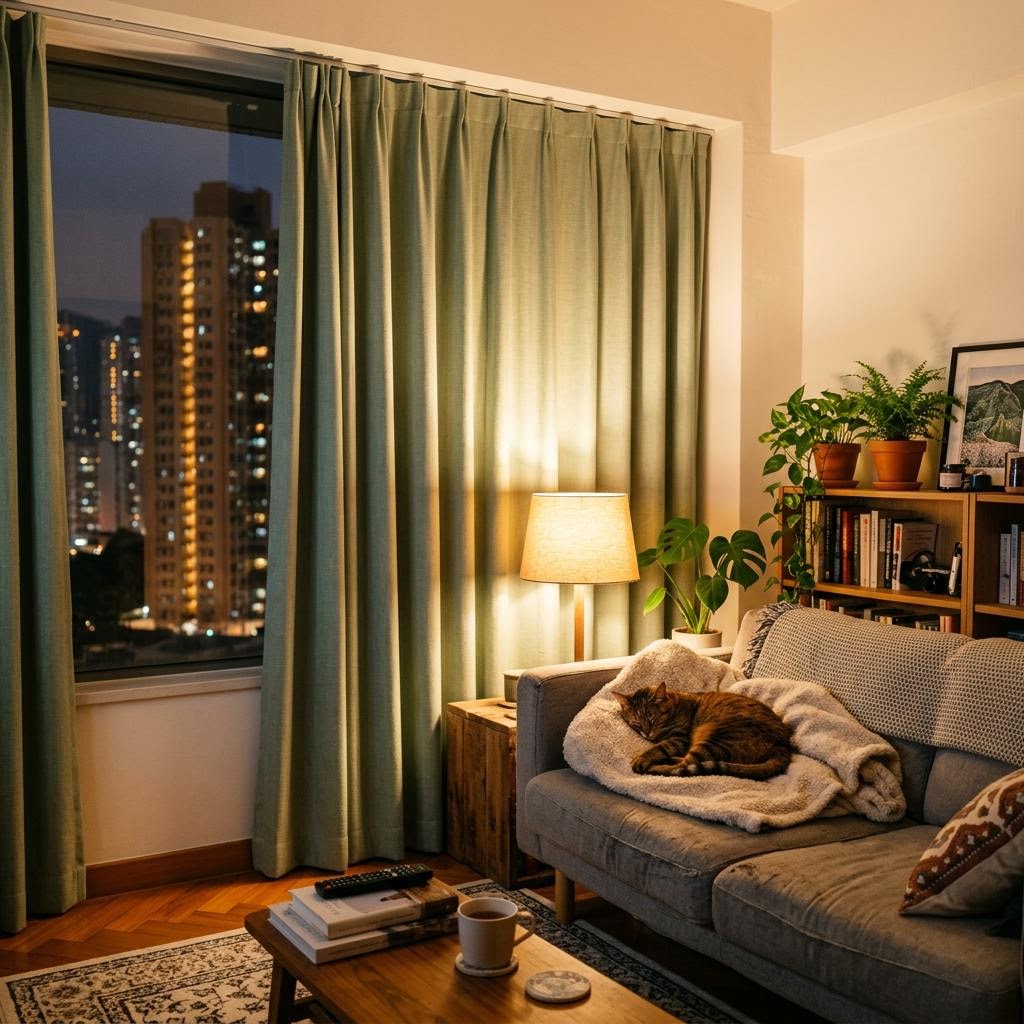
Colors and patterns:The colour and pattern of the curtains should coordinate with the overall style of the room. Generally speaking, light-coloured curtains can make a room look more spacious and bright, suitable for rooms with a small size or dark-coloured decor, while dark-coloured curtains can create a warm and comfortable atmosphere, suitable for rooms with a large size or bright-coloured decor.
Style matching:The style of the curtains should match the room’s decorating style. For example, a room in a modern minimalist style can choose simple, pattern-free curtains, while a room in a country or vintage style can choose curtains with floral or checkered patterns.
Selection and matching of windows
Selection and matching of windows is equally important. The size, shape, colour, and position of the window can all affect the room’s light, visual effect, and ventilation. When choosing windows, you need to consider the following aspects:
Type and size:The type and size of windows will affect the room’s lighting and ventilation. For example, large floor-to-ceiling windows can provide ample natural light and an excellent view, making them suitable for living rooms and studies, while small casement windows are easy to operate and suitable for kitchens and bathrooms.
Colors and materials:The colour and material of the windows should coordinate with the room’s décor style. For example, wooden windows give a natural and warm feeling and are suitable for country and retro-style décor; white uPVC windows look simple and bright, and are suitable for modern and minimalist décor.
Location and placement:The location of a window affects the room’s lighting and ventilation. When planning window placement, you should consider the direction of sunlight and the room’s ventilation needs. Generally speaking, east- and west-facing windows receive better sunlight, while south-facing windows have better ventilation.
The practicality of curtains and windows
In addition to their decorative function, curtains and windows also have many practical uses. For example, proper curtains can effectively block sunlight and protect indoor furniture and floors from prolonged exposure, while a good window design can improve the home's energy efficiency and reduce the energy consumption needed for heating and cooling adjustment.
Blackout and heat insulation:Heavy curtains can effectively block sunlight and reduce indoor temperature, especially suitable for tropical and subtropical regions, while double-layer or triple-layer heat-insulating windows can prevent heat transfer and keep indoor temperatures stable.
Privacy and safety:Curtains can hide the view inside the room and protect personal privacy, while windows with anti-theft designs can improve the security of the home.
Choosing and matching curtains and windows can not only enhance the beauty of the home, but also improve the comfort and safety of living. Choosing curtains and windows that suit you makes the home better.