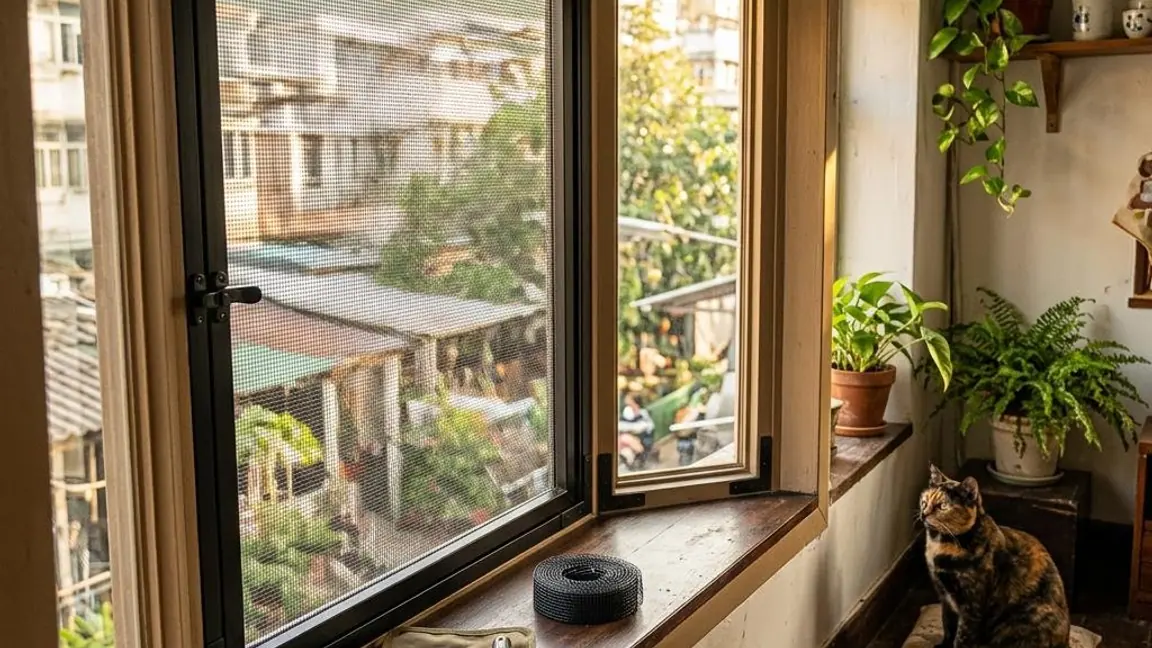
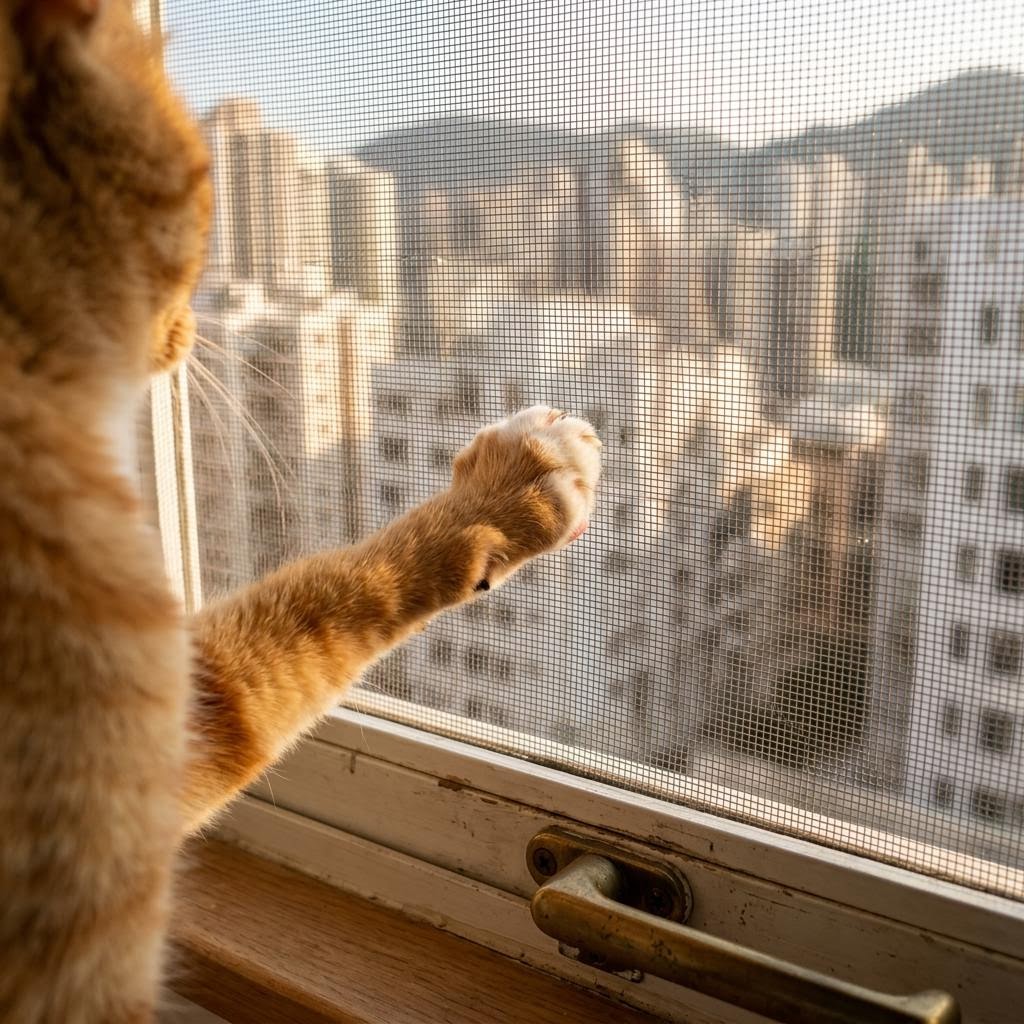
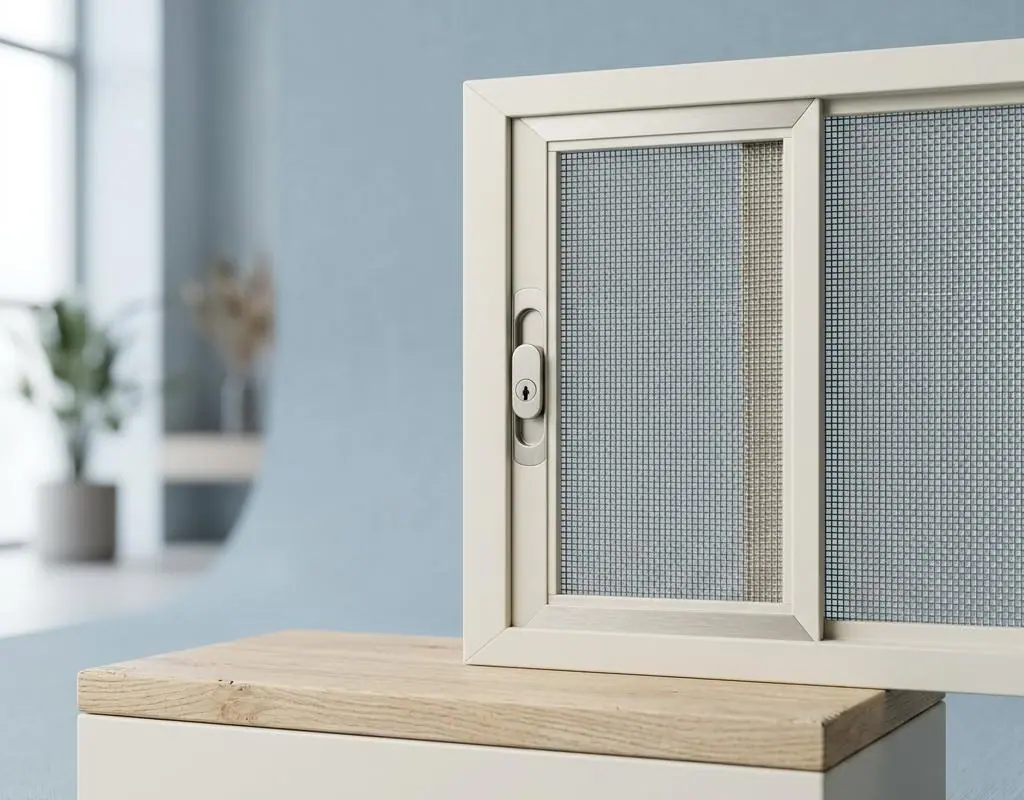
As the number of cat-owning families increases, more and more cat owners are beginning to pay attention to cats' safety and freedom. Installing cat screens in village houses can effectively prevent cats from accidentally escaping, while also protecting wild animals and providing cats with a safe space for activity. This article will introduce the installation steps for village house cat screens in detail, helping cat owners create a safe living environment for their beloved cats.
Determine the installation location
Before installing a cat screen, you first need to determine the installation location. Usually, cat screens can be installed in open spaces such as balconies, windows or courtyards. Consider the cat's activity habits and preferences, and choose a suitable place so that the cat can enter and exit easily. In addition, pay attention to the safety of the surrounding environment and avoid exposing the cat to potential hazards, such as sharp objects or items that may fall.
Choose a suitable cat screen material
Choosing a suitable cat screen material is key to installation. There are many cat screen materials on the market to choose from, including nylon mesh, metal mesh, and plastic mesh. Nylon mesh is lightweight and easy to install, suitable for temporary use; metal mesh is durable and not easily worn, suitable for long-term use; plastic mesh has good flexibility and can help avoid injury to cats. Choose the appropriate material according to actual needs to ensure the safety and comfort of your cat.
Measure and cut
Before installing a cat screen, detailed measurements are needed. Use a tape measure to measure the width and height of the installation area to ensure the cat screen can completely cover the area. Based on the measurements, cut the cat screen to the appropriate size. When cutting, leave a certain amount of extra margin for fixing and adjustment.
Install cat screens
The specific steps for installing cat screens are as follows:
1. Prepare tools: Prepare the required tools, including an electric drill, screwdriver, wire cutters, tape, etc.
2. Fixing frame: If needed, a frame can be installed first to fix the cat screen onto the frame. Use an electric drill to make holes in the wall or along the edge of the balcony, then secure the fixing frame with screws.
3. Install the cat screen: Stretch the cut cat screen tightly, then use tape or screws to secure the cat screen to the frame, making sure there are no looseness or gaps to prevent the cat from escaping.
4. Check safety: After installation is completed, carefully check the safety of the cat screen, make sure there are no sharp edges, and check the tightness of the mesh to avoid the cat’s claws getting caught.
Regular maintenance
After installing cat screens, regular maintenance is equally important. Check the integrity of the mesh, repair damaged parts promptly, and ensure the cat’s safety. In addition, cleaning the cat screen can prevent the accumulation of dust and dirt and maintain environmental hygiene. It is recommended to conduct a thorough inspection from time to time to ensure the durability and safety of the cat screen.
Looking for professional team help
If you feel confused about installing a cat screen, or lack relevant experience, looking for a professional installation team is a wise choice. A professional team has extensive installation experience and professional tools, and can help you complete the cat screen installation quickly and effectively. They can provide advice according to your needs and ensure the safety of the cat screen. When choosing a professional team, it is recommended to check the reviews of several companies and choose a service provider with a good reputation to achieve the ideal installation result.
Installing cat screens in a village house not only protects the safety of cats, but also provides a comfortable activity space. Through the correct installation steps, choosing suitable materials, and regular maintenance, you can create a safe home environment for your beloved cat. If needed, you may also consider seeking help from a professional team to make the installation process smoother. Let us work together to create a safe and free living space for cats.