
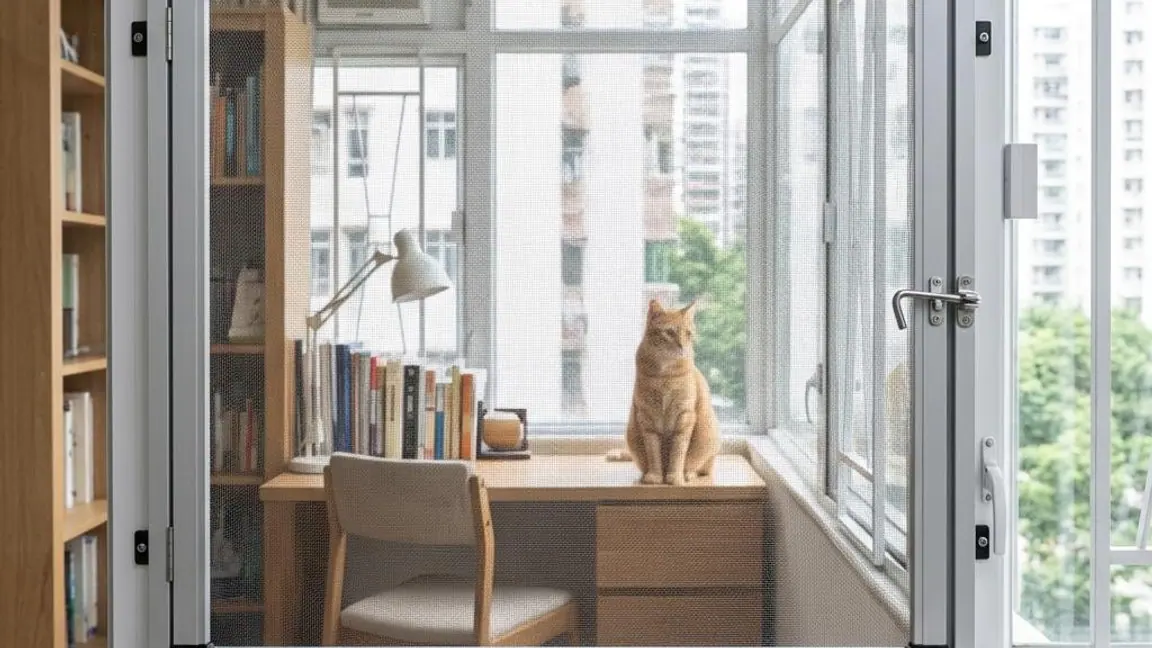
Back to the window screen encyclopediaThe complete guide to choosing and installing practical cat screens

The complete guide to choosing and installing practical cat screens

Table of contents

Cats are known for their agility and nimbleness, but this also makes their safety at home a problem that cannot be ignored, especially for cat slaves living in high-rise apartments. Preventing your beloved cat from falling from the balcony or window is a top priority. Therefore, a safe, sturdy and practical cat screen has become a must-have choice for many owners. This article will start from the key points of buying a cat screen, gradually guide you on how to choose the most suitable cat screen for your beloved cat, and provide detailed installation guidance and maintenance tips.

The importance of cat screens

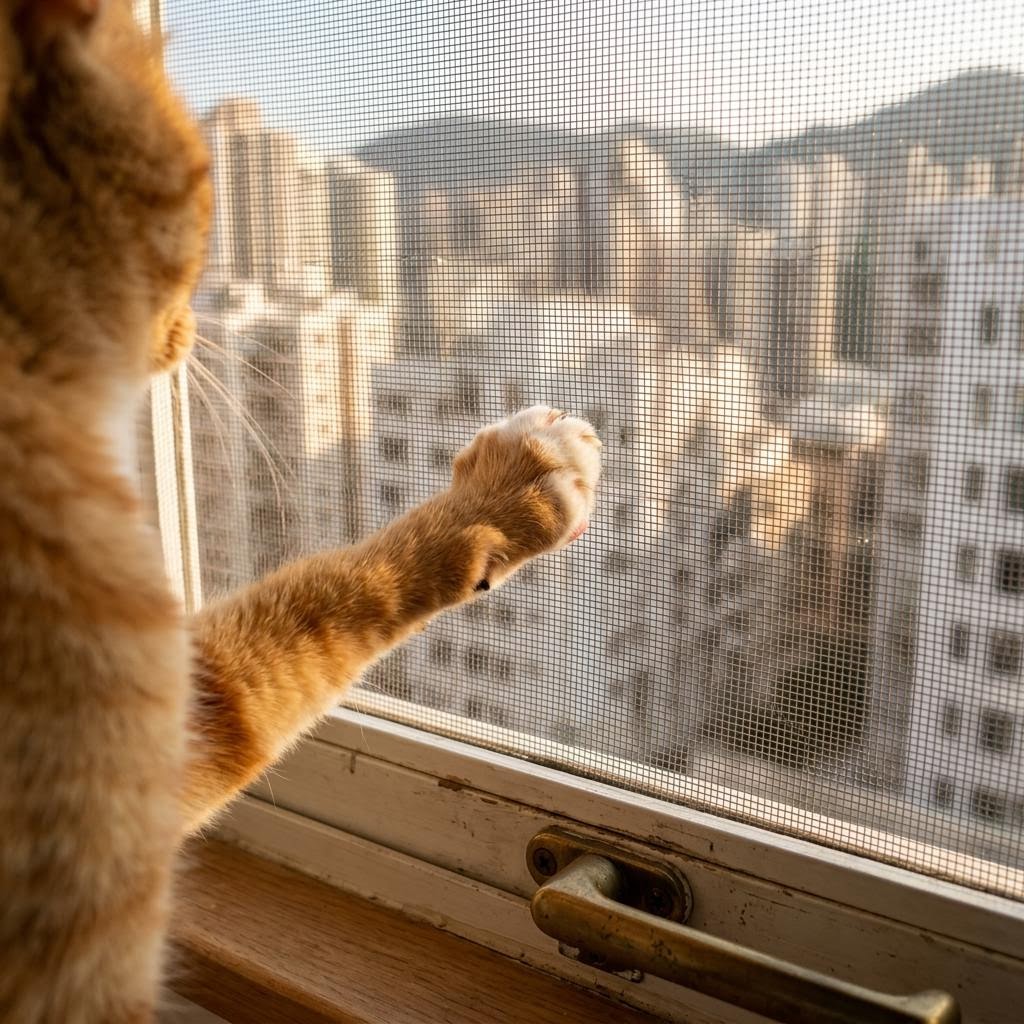
First, let's talk about why cat screens are vital to cats' lives. Cat screens are not just a protective net; they safeguard cats' safety by windows or on balconies, avoiding the risk of falling from heights. In addition, cat screens can also prevent cats from escaping outdoors and reduce the intrusion of outdoor insects, helping maintain household hygiene. Therefore, a high-quality cat screen is undoubtedly the first line of defence in protecting the safety of cats at home.

Key Points for Choosing Cat Screens

Before buying a cat screen, you need to consider the following key elements:

Material

The material of cat screens determines their durability and safety. In general, cat screens made of nylon and polyester are favored by pet owners because of their weather resistance and durability.

Mesh size

The mesh size directly affects the protective ability of the cat screen. The mesh holes should be small enough to prevent a cat's head or body from passing through.

Load-bearing capacity

When choosing a cat screen, you need to confirm its load-bearing capacity to withstand the pressure a cat may place on the screen.

Design

The design of cat screens should blend seamlessly with your home environment while meeting both practicality and aesthetics.
Cat Screen Installation Steps

Installing cat screens may seem simple, but it still requires a certain amount of skill. Below is a simple installation process:

Measure the size: Measure accurately the size of the window or balcony where you need to install the cat screen, including length and width.

Choose the fixing method: Choose a suitable fixing method according to the material of the window frame or balcony. Common ones include self-tapping screw fixing or traceless adhesive fixing.

Cutting cat screen: according to the measured dimensions, cut the cat screen to a suitable size, leaving a certain margin for fixing.

Fixed cat screen: pull the cat screen tight to ensure there is no slack, then install according to the selected fixing method.

Check strength: After installation, check whether the cat screen is secure to ensure it will not come off when cats paw at or climb on it.

Maintenance and care of cat screens

To ensure the durability and safety of cat screens, regular maintenance is essential:

Regular inspection: Check whether the cat screen has any damaged or loose areas; if so, repair or replace them in time.

Cleaning: Regularly use a soft-bristled brush to remove dust and debris from the cat screen and keep it clean.

Avoid heavy pressure: make sure no heavy objects are pressing on the cat screen for a long time, so as not to cause deformation or damage.

Choosing the right cat screens for your beloved cat and carrying out proper installation and maintenance is the responsibility of every cat lover. From purchase to installation to daily maintenance, every step must be taken carefully to ensure the safety of your cat and the harmony of your home. We hope this article can help you on the way to choosing practical cat screens, so that you and your cat can both enjoy a safe and comfortable home.

Frequently asked by readers

FAQ

3 FAQs related to this article
Q1What is the difference between cat screens and insect screens?

Mosquito nets are mainly used to prevent mosquitoes and insects. The mesh is relatively fine but is not necessarily claw-resistant, and it is not a pet barrier either; cat screens mainly use more claw-resistant materials or structures, and are used to reduce the chance of cats contacting the outside of the window. Most styles also have mosquito-prevention functions.

Q2After installing cat screens, can they completely prevent cats from falling from heights?

Guarantee cannot be made. Cat screens can reduce the risk, but no window screen can replace locking the window and daily supervision. Please check the screen mesh and fixing points regularly.

Q3Which cat screen is most suitable for my home?

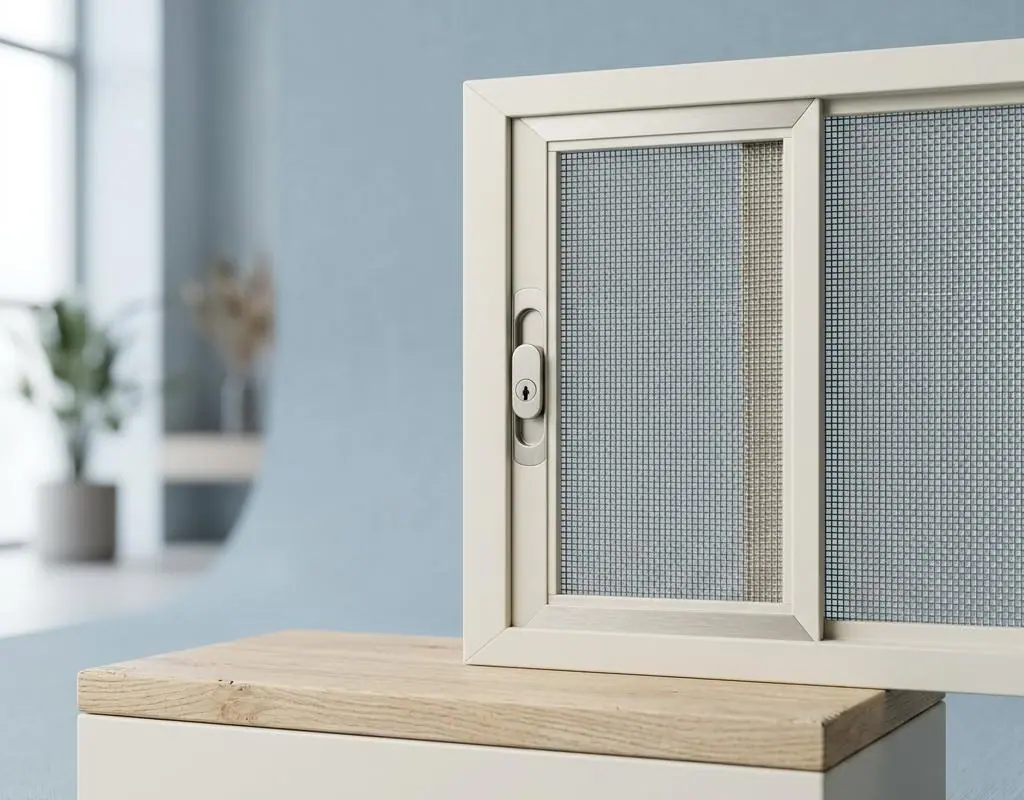
Depending on the window type, the cat's personality, the fixing surface, and the budget. You can compare lockable full-open / triple-slide cat insect screens, Italian cat insect-proof roll-up screens, magnetic types and hinged-door types; transparent window grilles must also be assessed according to the fixing method. The insect-proof data for ordinary HD, Japanese ultra-high-definition, and adhesive insect screens is not enough to prove suitability as pet barriers. Recommendations will be made on-site during measurement according to the actual situation.

View all FAQs

Continue reading

Related guides

Handled by dedicated staff

Related services

View full price list

Professional assistance

Want to learn about Cat screen installation?

Send us photos of the installation location so we can understand the style, measurement and quotation arrangements.

The button will only open WhatsApp and prefill a message; it will only be sent after you confirm it.