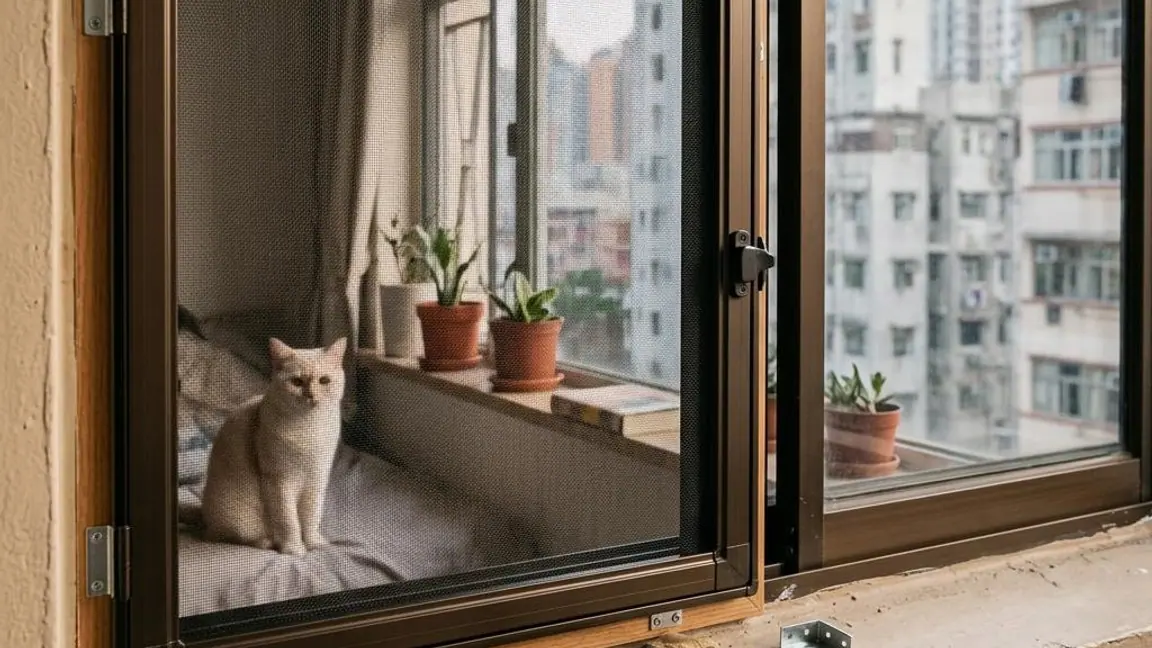
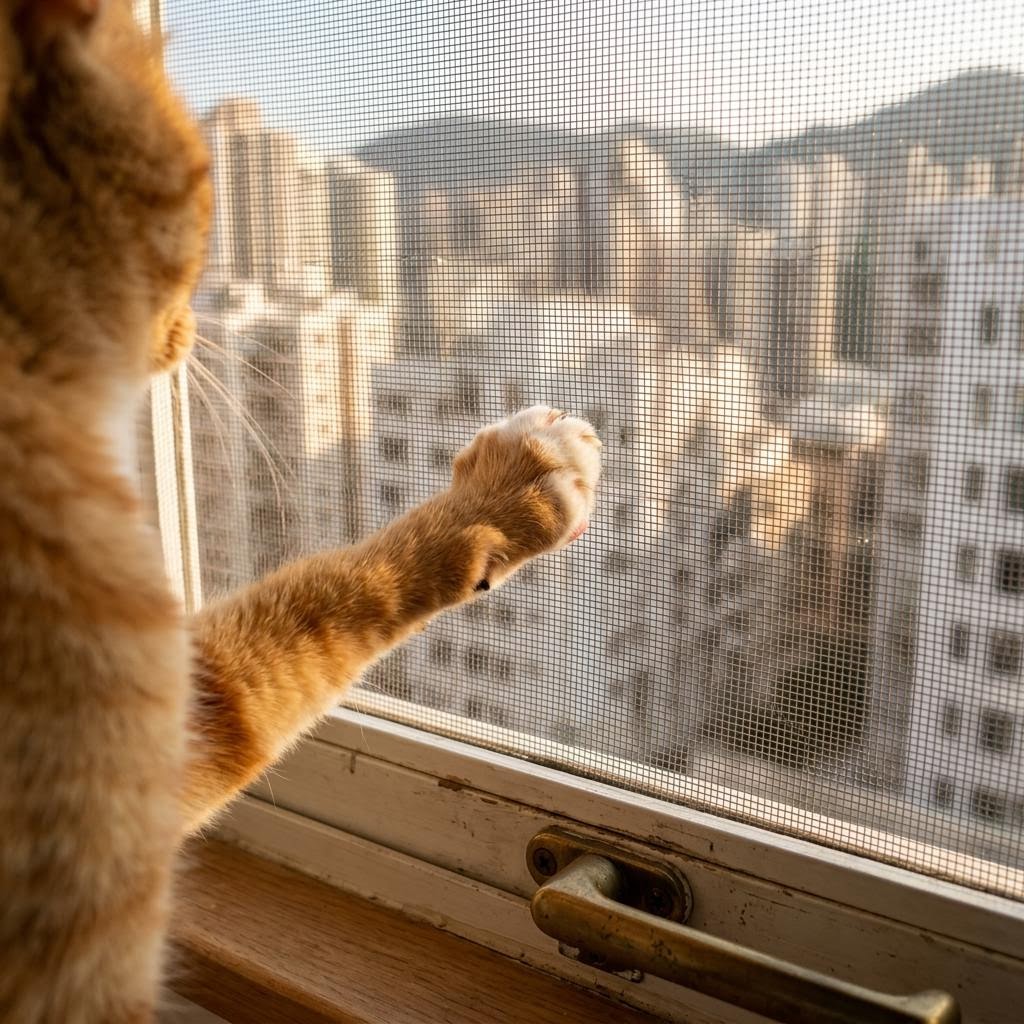
Keeping a cat is a hobby for many people, but how to protect the safety of pet cats is also a matter that requires thought. Cats are always adventurous and like to climb to high places to explore, and if they are not careful, they may fall and suffer serious injuries. In order to let cats move freely at home while ensuring their safety, installing cat screens is a very good solution. Below, we will introduce how to install cat screens yourself.
Choose a suitable cat screen
Measure door and window dimensions
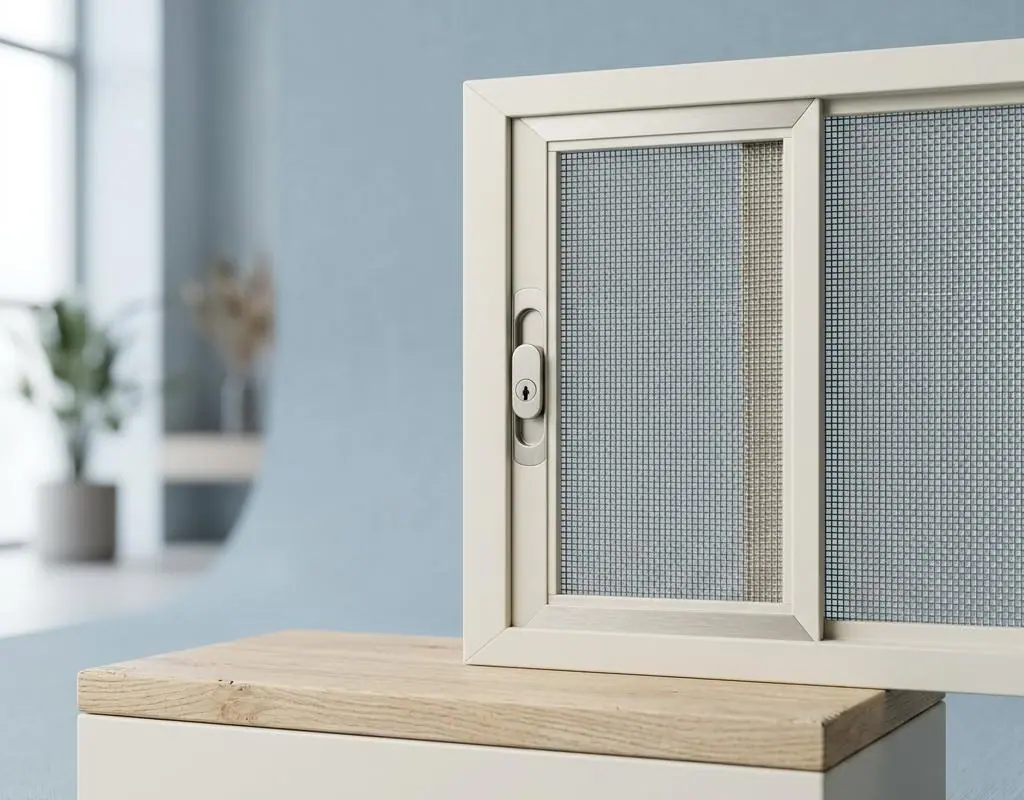
Before installing a cat screen, first measure the size of the doors and windows, and choose a suitable cat screen according to the actual situation. Generally, there are various sizes of cat screens available on the market; you can choose the appropriate size according to the size of your own doors and windows. It should not be too small and affect the cat's movement, nor too large and affect the appearance. In addition, you should also consider the cat's body size and choose a mesh size that will not allow the cat to squeeze through.
Choose high-quality materials
In addition to size, the material of the cat screen is also important. The most common types include metal mesh, plastic mesh and nylon mesh. Metal mesh is relatively strong and durable, but heavier; plastic mesh is lightweight and easy to install, but has weaker wind resistance; nylon mesh is somewhere in between, being both lightweight and durable. You can choose a suitable material according to your home environment and budget.
Prepare tools and accessories
Installing cat screens requires some essential tools, including a screwdriver, electric drill, ruler, pencil, scissors, etc. In addition, some auxiliary materials are also needed, such as screws, rope, double-sided tape, etc., for fixing the cat screen.
Installation steps
Measure and mark
Carefully measure the dimensions of the door and window, and mark the installation position of the cat screen on them with a pencil. Make sure the marked position will not obstruct the normal opening and closing of the door and window.
Fixed mesh frame
Use a screwdriver or electric drill to fix the cat screen frame at the marked position. Note that when fixing it, make sure the frame is secure and will not wobble. If the cat screen is a metal mesh, it can be fixed directly to the door or window frame; if it is a plastic or nylon mesh, an additional support frame is needed.
Install the mesh
After the screen frame is secured, you can install the mesh. Align the mesh with the frame and secure it firmly with double-sided tape or rope. If the mesh has multiple sections, make sure the sections join tightly with no gaps.
Final check
After installation is complete, carefully check it once more. Make sure the cat screen is firmly secured, with no gaps, and that the cat cannot squeeze out. At the same time, also pay attention not to affect the normal opening and closing of doors and windows.
Looking for professional team help
If you are not confident about installing cat screens yourself, or if the doors and windows at home have a more special structure, it is recommended that you seek help from a professional installation team. A professional installation team has extensive experience and can provide the best installation solution according to the actual situation, and ensure the cat screen is firmly and reliably installed. Although it requires some cost, it can provide a safer living environment for your cat and is worth considering.
Installing cat screens is a good way to protect cats' safety. As long as you master the correct method, you can do it yourself. Choose the right cat screen material and size, prepare the necessary tools, and carry out the installation step by step. I believe you will definitely be able to make a cat screen that is safe and aesthetically pleasing. If you really do not have confidence, seeking help from a professional team is still the wiser choice. Wishing you a smooth installation, and may your cat play freely at home!