
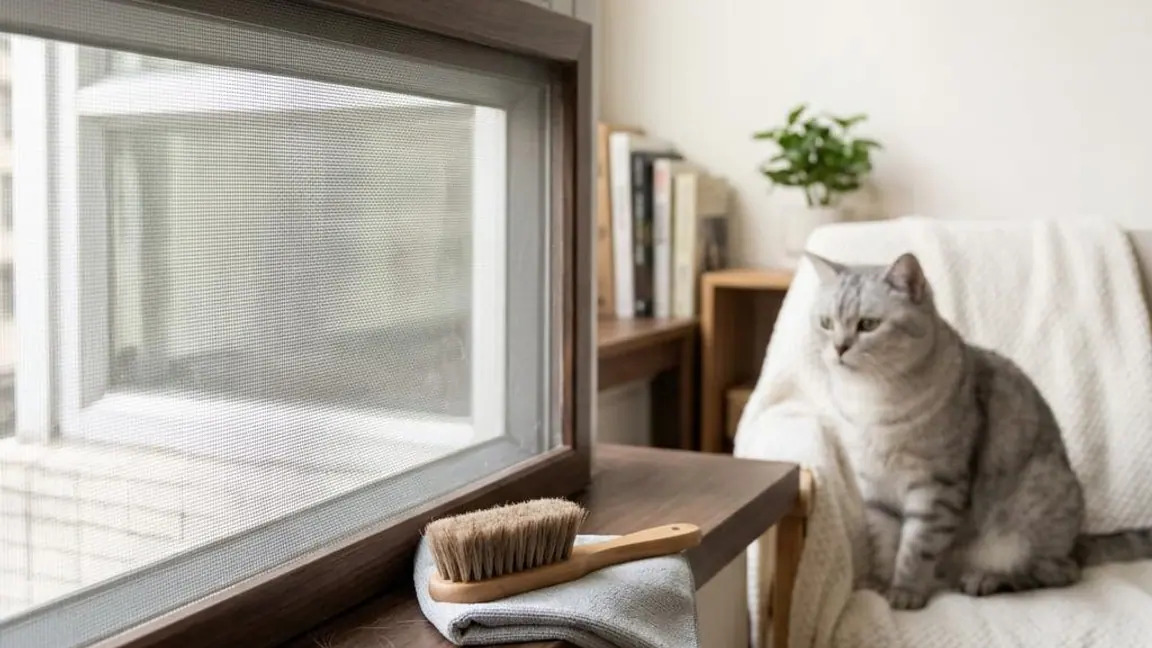
Back to the window screen encyclopediaHow to clean a cat screen: a cleaning guide to keep your cat safety barrier clean

How to clean a cat screen: a cleaning guide to keep your cat safety barrier clean

Table of contents

A cat screen is an important device for ensuring cat safety, but over time, dust, dirt, cat hair and other external factors will make the cat screen dirty. Regular cleaning of the cat screen can not only ensure your beloved cat lives in a hygienic environment, but also extend the service life of the cat screen. This article will provide a detailed step-by-step guide on how to clean a cat screen, while keeping it clean and SEO-friendly.

The importance of cleaning cat screens

Cleaning cat screens is an important part of home pet care. A clean cat screen can prevent pet skin diseases and respiratory diseases, while also avoiding the spread of allergens in the home.

Preparation before cleaning

Before starting to clean the cat screen, you should prepare the following tools and materials:

  • Mild cleaning agent or a dedicated pet cleaning product

  • A soft-bristle brush or a sponge

  • A large bucket of clean water or a garden hose

  • Clean cloth or towel

  • Protective gloves

Steps for cleaning cat screens

1. Initial inspection

Before cleaning, first check whether the cat screen has any damage, such as holes or torn mesh, to ensure that it can still provide adequate protection after cleaning.
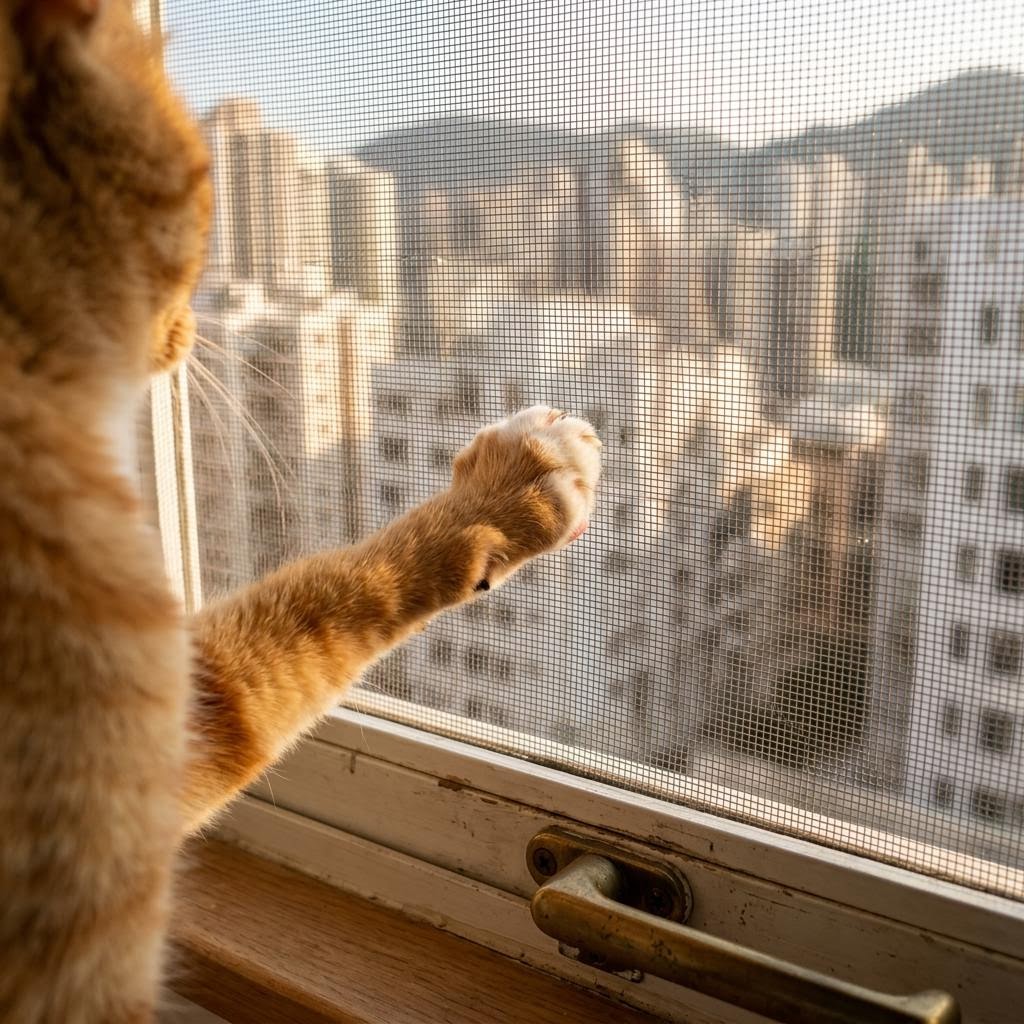
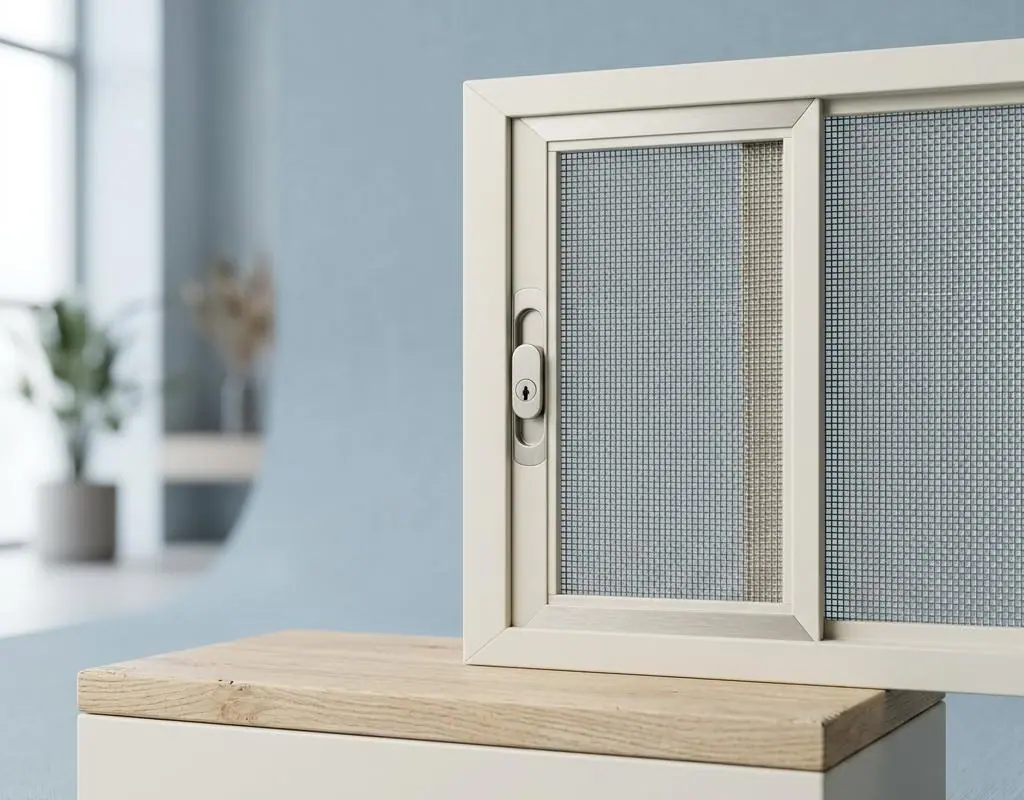
2. Remove dust and dirt

Use a soft-bristle brush or a clean cloth to gently sweep away dust and loose dirt from the cat screen. For stubborn dirt, use a sponge to gently wipe it clean.

3. Use of cleaning agents

Dilute the mild detergent with water according to the instructions, or use a dedicated pet-safe cleaning product. Avoid using cleaners containing chlorine or harmful chemicals, as these may be harmful to cats.

4. Clean the cat screen

Apply the diluted cleaning solution evenly to the cat screen, and gently scrub with a soft-bristled brush or sponge. Take care to clean the inside and outside of the mesh thoroughly, ensuring that all dirt is removed.

Frequently asked by readers

FAQ

3 FAQs related to this article
Q1What is the difference between cat screens and insect screens?

Mosquito nets are mainly used to prevent mosquitoes and insects. The mesh is relatively fine but is not necessarily claw-resistant, and it is not a pet barrier either; cat screens mainly use more claw-resistant materials or structures, and are used to reduce the chance of cats contacting the outside of the window. Most styles also have mosquito-prevention functions.

Q2After installing cat screens, can they completely prevent cats from falling from heights?

Guarantee cannot be made. Cat screens can reduce the risk, but no window screen can replace locking the window and daily supervision. Please check the screen mesh and fixing points regularly.

Q3Which cat screen is most suitable for my home?

Depending on the window type, the cat's personality, the fixing surface, and the budget. You can compare lockable full-open / triple-slide cat insect screens, Italian cat insect-proof roll-up screens, magnetic types and hinged-door types; transparent window grilles must also be assessed according to the fixing method. The insect-proof data for ordinary HD, Japanese ultra-high-definition, and adhesive insect screens is not enough to prove suitability as pet barriers. Recommendations will be made on-site during measurement according to the actual situation.

View all FAQs

Continue reading

Related guides

Handled by dedicated staff

Related services

View full price list

Professional assistance

Want to learn about Cat screen installation?

Send us photos of the installation location so we can understand the style, measurement and quotation arrangements.

The button will only open WhatsApp and prefill a message; it will only be sent after you confirm it.