Short answer:When a cat sits by the window, it may be enjoying warmth, watching birds and insects, or paying attention to smells and sounds from outside; every cat has different habits. Sitting quietly does not mean it will not suddenly pounce forward. First handle the window opening and fixing condition, then arrange a stable resting spot; before opening the screen or cleaning, isolate the cat first, and do not use the window screen as a substitute for supervision.
The area by the window provides light and environmental changes
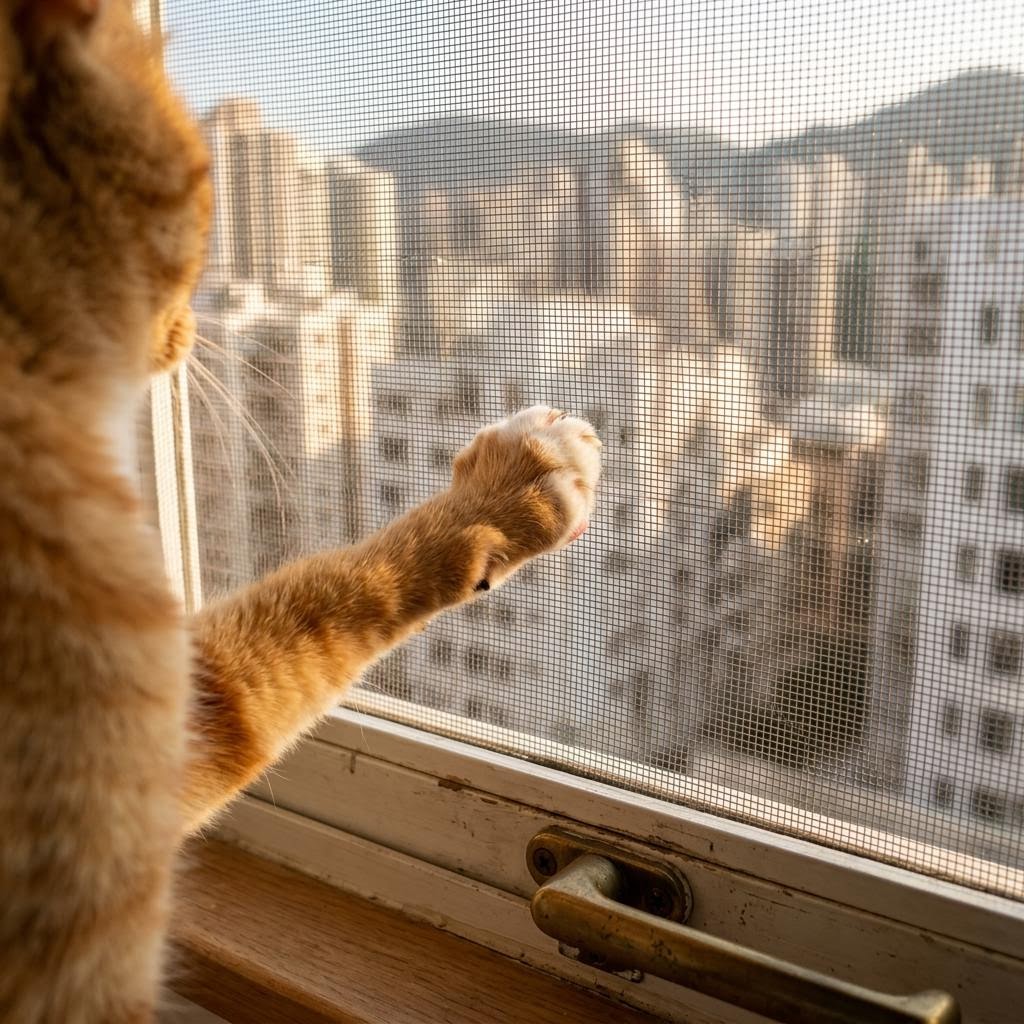
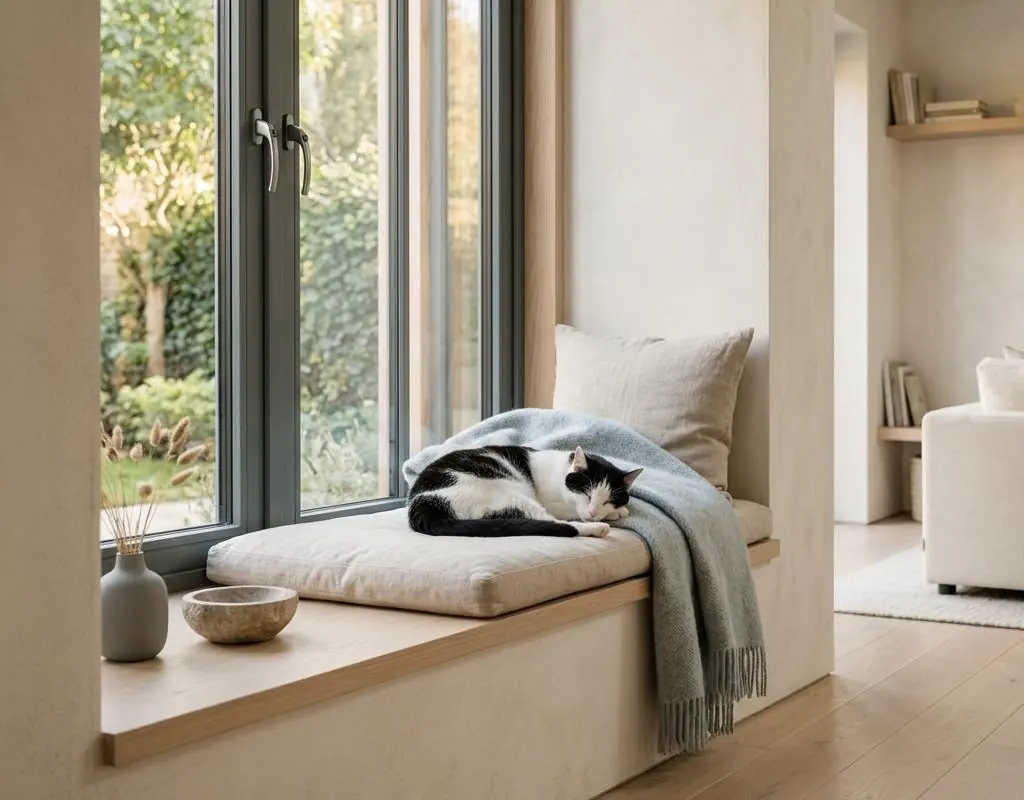
A window with sunlight, smells, sounds, and the ever-changing view outside is a place where many cats observe their surroundings. However, every cat has different habits, so just because it usually sits quietly does not mean it will not suddenly move.
When arranging a resting spot, also pay attention to sunlight and indoor temperature so that the cat can leave a hotter spot on its own. Do not place food, a sleeping bed, or cat toys in places that can only be reached by climbing unstable furniture.
Birds and insects may cause sudden reactions
Flying birds, insects near the mesh, or sounds outside may all cause a cat to go from sitting still to charging forward or reaching out its claws. This is not behavior that can necessarily be controlled just by calling its name or having someone nearby.
Do not dangle toys outside the opening or screen surface to tease the cat, and do not encourage climbing on the screen. If there is more than one cat in the home, pay attention to chasing and competition for space, and avoid turning a narrow windowsill into their only activity spot.
Handle the opening first before arranging the window area
- First confirm that the window, window lock and mesh surface are in the correct closed state.
- Furniture near the window should be stable; move away potted plants and fragile items that could be knocked over.
- Do not treat an ordinary insect screen as a pet barrier, and do not let the cat place its body weight on any screen surface.
- If there is damage, looseness, or uncovered gaps, close the window first and keep the cat away.
Curtains and cords should also be considered together
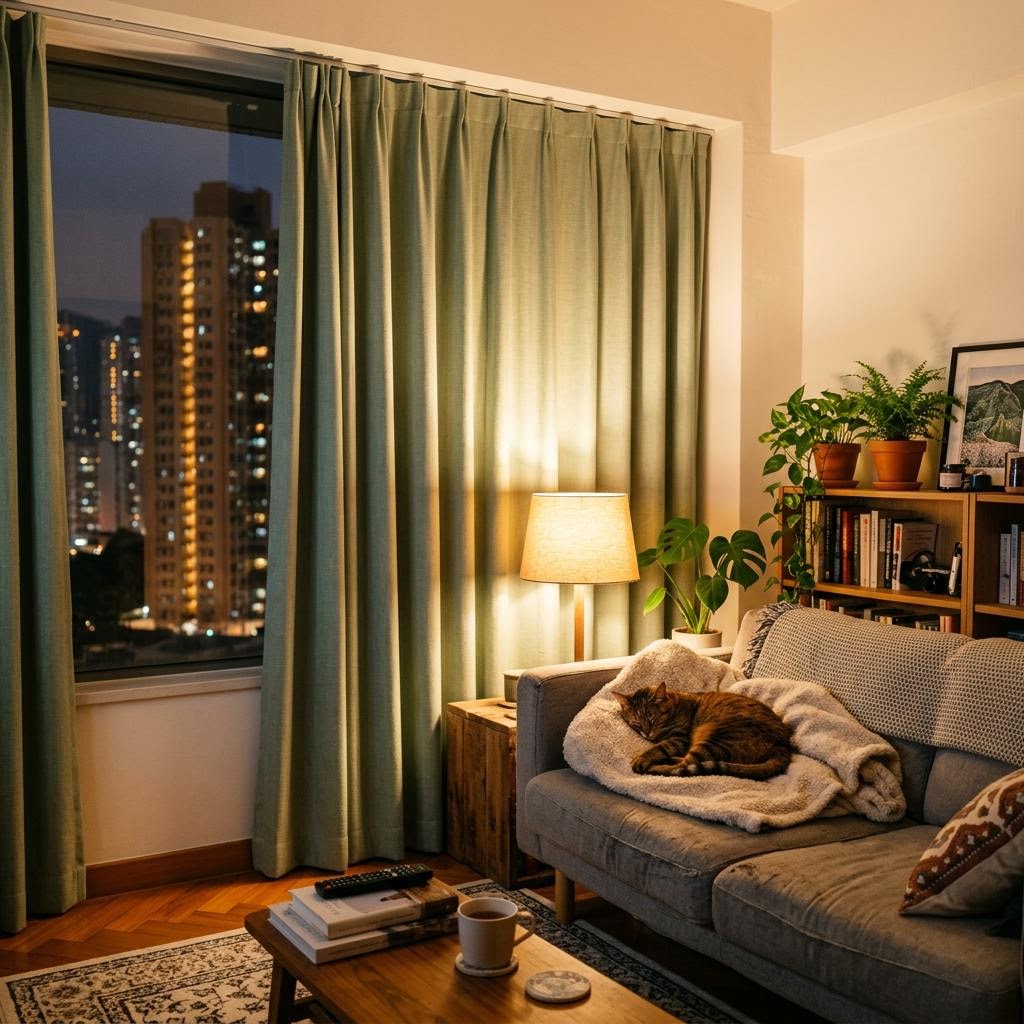
Cats may chase fluttering fabric or pull cords, and curtain tracks may also be stressed by repeated climbing. Properly tidy away reachable cords and straps, and pay attention to loose tracks, fabric snagging and furniture placement.
Anti-scratch curtains are only more scratch-resistant; this does not mean they cannot be scratched through or that they can let cats climb on them. When installing window screens, also check the curtain opening and closing space at the same time, which can reduce the situation where the screen is repeatedly opened later just to pull the curtains.
Establish a fixed sequence when opening the window and cleaning
You can use a fixed sequence of “put the cat in place first, then operate the window screen, and check the lock after finishing.” Family members, cleaning staff, or visitors should also know which mesh panels must not be casually removed; you cannot rely only on the main caregiver remembering.
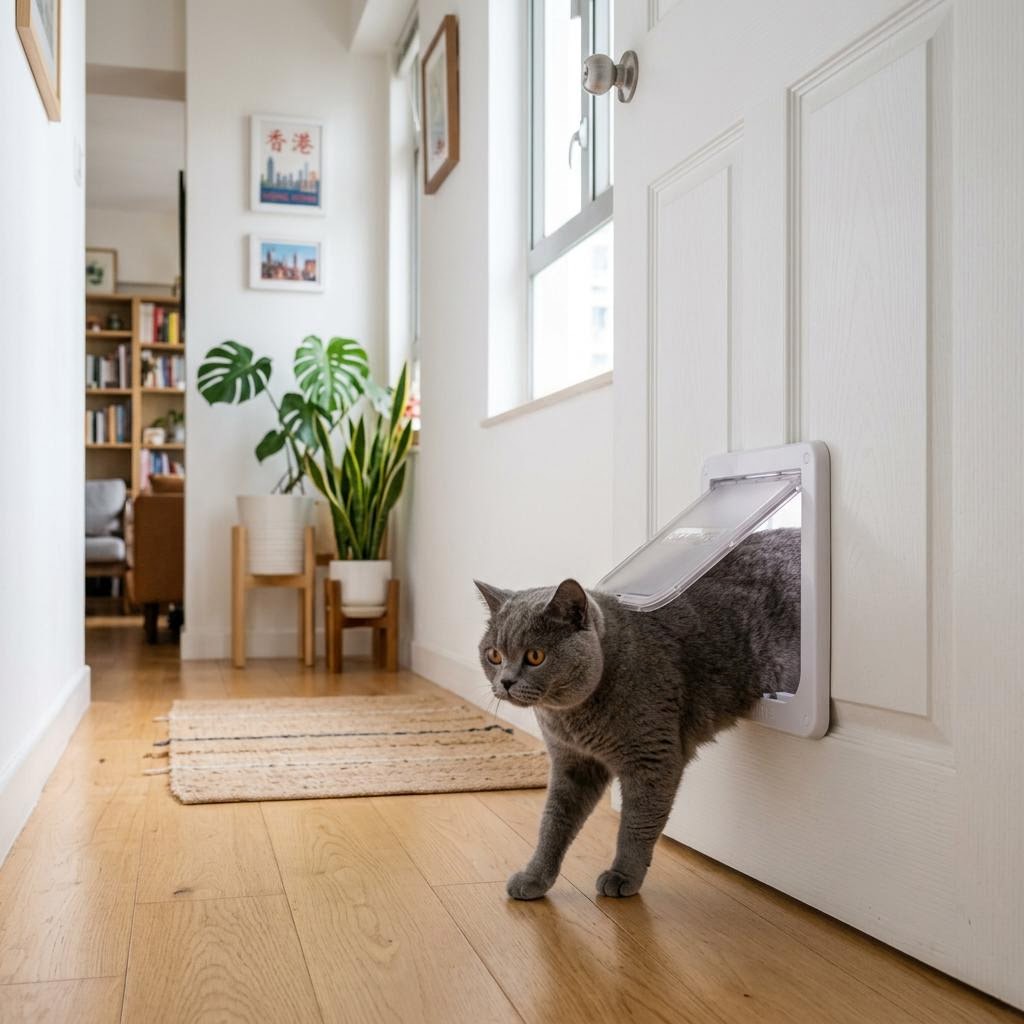
For example, before wiping the living room glass, first place the cats in another room with the doors and windows properly closed, and confirm that water and the litter box are available; after finishing, close the original window, restore the window screen and check the latch, then let the cats return. Do not remove the screen while the cat is still sitting on the windowsill.
During cleaning and when the mesh surface is retracted, the relevant position should be regarded as an uncovered opening. Do not assume that because it is open only for a short time, the cat is asleep, or someone is watching, isolation arrangements can be omitted.
When you need to seek additional help
If the cat suddenly changes behavior, remains persistently agitated, repeatedly hits the screen, or shows signs of discomfort, the window screen itself is not a solution to behavioral or health problems. Please consult a veterinarian or a suitable animal behavior professional.
If the problem is that the mesh is stuck, the window frame is loose, or the latch cannot be fastened properly, stop using the relevant position first and contact us for inspection. No window screen can guarantee prevention of falling, and daily supervision is still required.
Useful links and reference sources
- Cat screen safety self-check: what to do if you find looseness
- Curtains for cat-owning households: fabric and operating limitations
- Cat screen service: assess the window type and fixing method
- The Society for the Prevention of Cruelty to Animals in Hong Kong: Adopting and Caring for Cats:Provide advice on opening-window protection, scratching boards and daily care; this is not certification for the materials, fabrics or products listed in this article.
- Cats Protection:Keeping your cat safe(English PDF):Explain household risks such as high windows, sunlight, hanging objects, and toys getting entangled; this does not mean any window screen is guaranteed to prevent falls.