

Back to the window screen encyclopediaHow to choose the right cat screen: the best guide to protecting your beloved cat

How to choose the right cat screen: the best guide to protecting your beloved cat

Modified
Table of contents

When we keep cats at home, we always hope to provide them with a safe and comfortable living environment. As an effective safety measure, cat screens can not only prevent cats from falling from heights, but also effectively stop them from escaping. This article will explore in depth how to choose a suitable cat screen, so that your cat can enjoy the fresh air outside the window while staying safe.

Why do you need cat screens?

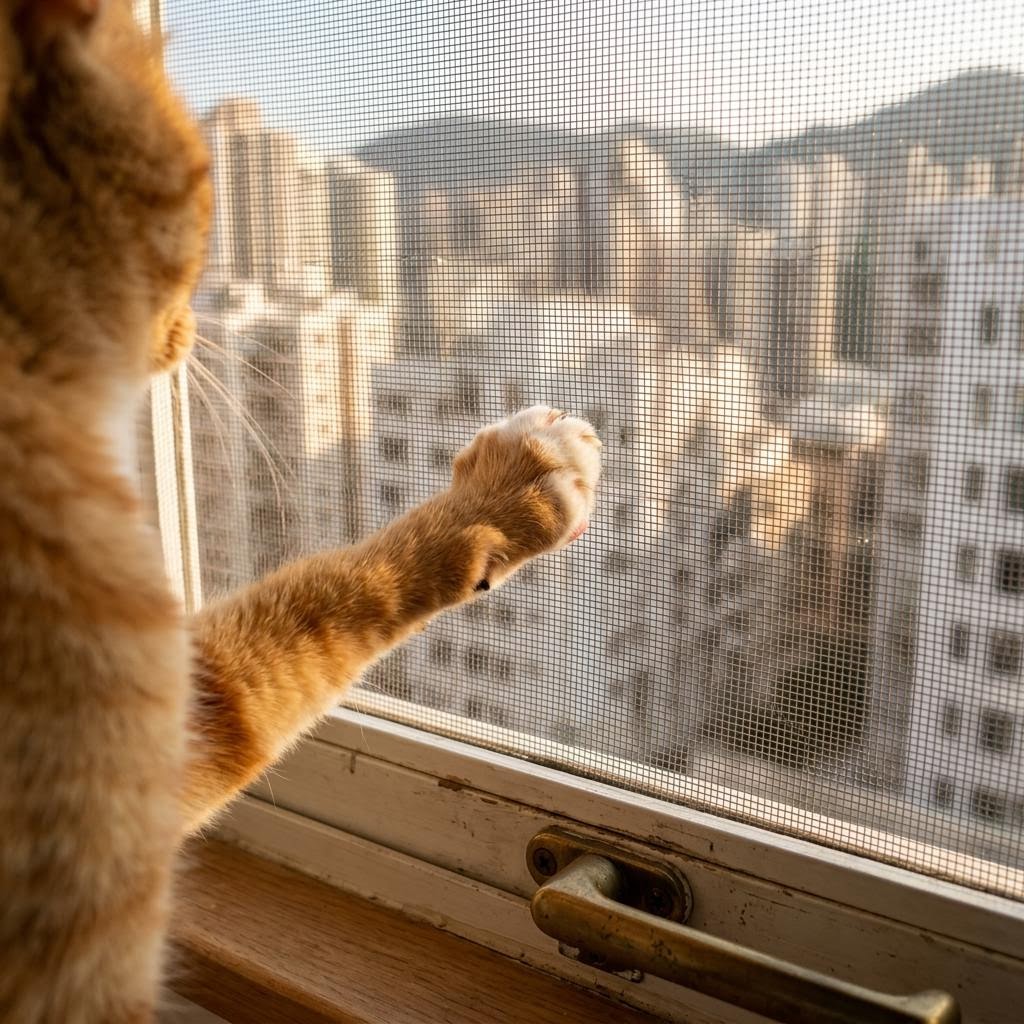
Prevent falls: Cats are naturally curious and like to climb and explore, especially at heights. Cat screens can prevent cats from falling from balconies or windows.

Prevent escape: even house cats may look for chances to run outside, and cat screens can effectively prevent this behavior.

Protect wildlife: prevent cats from hunting birds and other small animals.

Avoid accidents: prevent cats from accidentally entering dangerous areas, such as a neighbour’s balcony or an open window.

Considerations for Choosing Cat Screens

Material

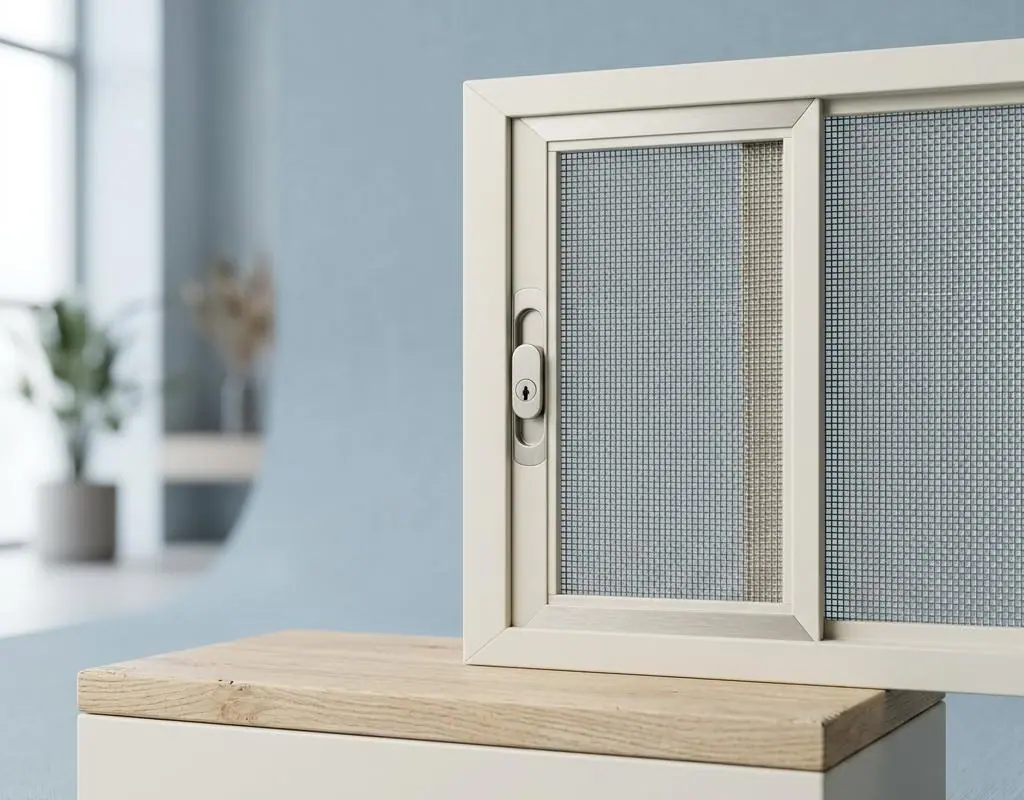
The material of cat screens must be sturdy and durable, and able to resist cats’ scratching. Common materials include nylon, metal wire, and plastic. Because metal mesh has high strength and is resistant to biting and scratching, it is a good choice. But if you want something aesthetically pleasing and with a certain level of strength, nylon mesh is a lighter choice with less visual impact.

Mesh size

Mesh size is an important factor when choosing a cat screen. If the mesh holes are too large, a kitten's head or body may get stuck, causing danger; if the mesh holes are too small, it may not be sufficiently clear for visibility. Generally speaking, the mesh size should be able to prevent a cat's claws from passing through, while still being large enough for the cat to observe the outside world.

Installation method

The installation method of cat screens is also very important. Does it require drilling? Is the cat screen easy to install and remove? For tenants, screens that do not require drilling can be chosen, and special fixing devices can avoid damaging the wall.

Weather resistance

Because cat screens are usually installed outdoors, materials that can withstand various weather conditions must be chosen, including ultraviolet rays from strong sunlight, rain, and wind and snow. High-quality cat screens should have good weather resistance and should not easily deform or fade due to weather changes.

Visual impact

In addition to safety, cat screens should also consider their impact on the aesthetics of the home. Choosing colours and designs that match the architectural style can ensure safety while also maintaining the beauty of the home.
Brand and price

There are many different brands of cat screens on the market. Choosing a reputable brand can ensure product quality. At the same time, taking budget into account, compare the prices and performance of different brands and choose a product with high cost-performance ratio.

How to install a cat screen

Measure the size

Before buying a cat screen, first accurately measure the dimensions of the area that needs to be covered, including the length and width of the window, balcony, or staircase.

Choose the fixing method

No drilling required: secure with clips, hook-and-loop fasteners or magnetic strips.

Drilling is required: use screws and nails to securely fix the cat screen to the wall or window frame.

Installation steps

Clean the installation area to make sure there is no dust or oil stain.

Mark the fixing points according to the fixing method.

If drilling is needed, use an electric drill to drill at the marked points, and insert expansion screws.

Lay the cat screen flat and secure it to the wall or window frame according to the fixing points.

Adjust the tension of the cat screen to ensure there are no loose areas.

Maintenance and replacement

Cat screens need regular inspection to ensure there are no damaged or loosened areas. If any damage is found in the cat screen, it should be replaced immediately to avoid safety hazards.

Frequently asked by readers

FAQ

3 FAQs related to this article
Q1What is the difference between cat screens and insect screens?

Mosquito nets are mainly used to prevent mosquitoes and insects. The mesh is relatively fine but is not necessarily claw-resistant, and it is not a pet barrier either; cat screens mainly use more claw-resistant materials or structures, and are used to reduce the chance of cats contacting the outside of the window. Most styles also have mosquito-prevention functions.

Q2After installing cat screens, can they completely prevent cats from falling from heights?

Guarantee cannot be made. Cat screens can reduce the risk, but no window screen can replace locking the window and daily supervision. Please check the screen mesh and fixing points regularly.

Q3Which cat screen is most suitable for my home?

Depending on the window type, the cat's personality, the fixing surface, and the budget. You can compare lockable full-open / triple-slide cat insect screens, Italian cat insect-proof roll-up screens, magnetic types and hinged-door types; transparent window grilles must also be assessed according to the fixing method. The insect-proof data for ordinary HD, Japanese ultra-high-definition, and adhesive insect screens is not enough to prove suitability as pet barriers. Recommendations will be made on-site during measurement according to the actual situation.

View all FAQs

Continue reading

Related guides

Handled by dedicated staff

Related services

View full price list

Professional assistance

Want to learn about Cat screen installation?

Send us photos of the installation location so we can understand the style, measurement and quotation arrangements.

The button will only open WhatsApp and prefill a message; it will only be sent after you confirm it.