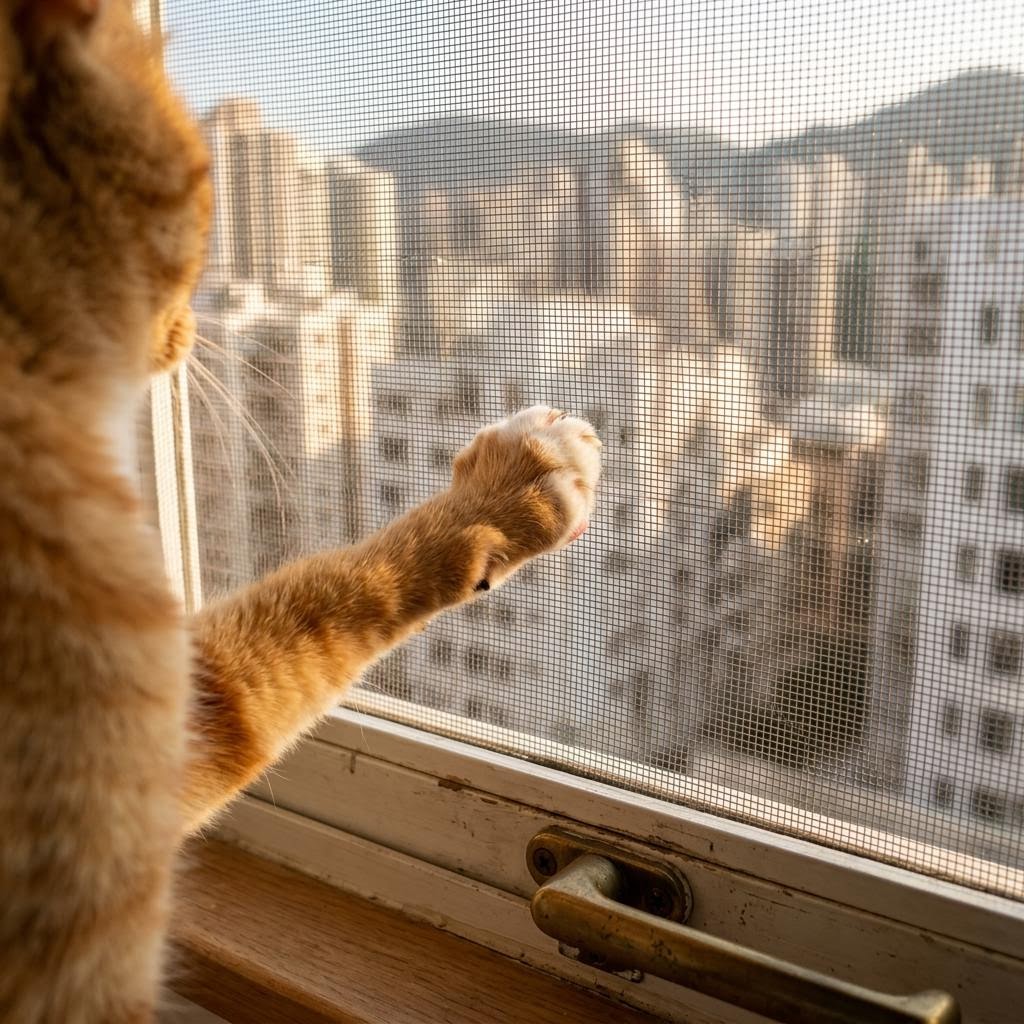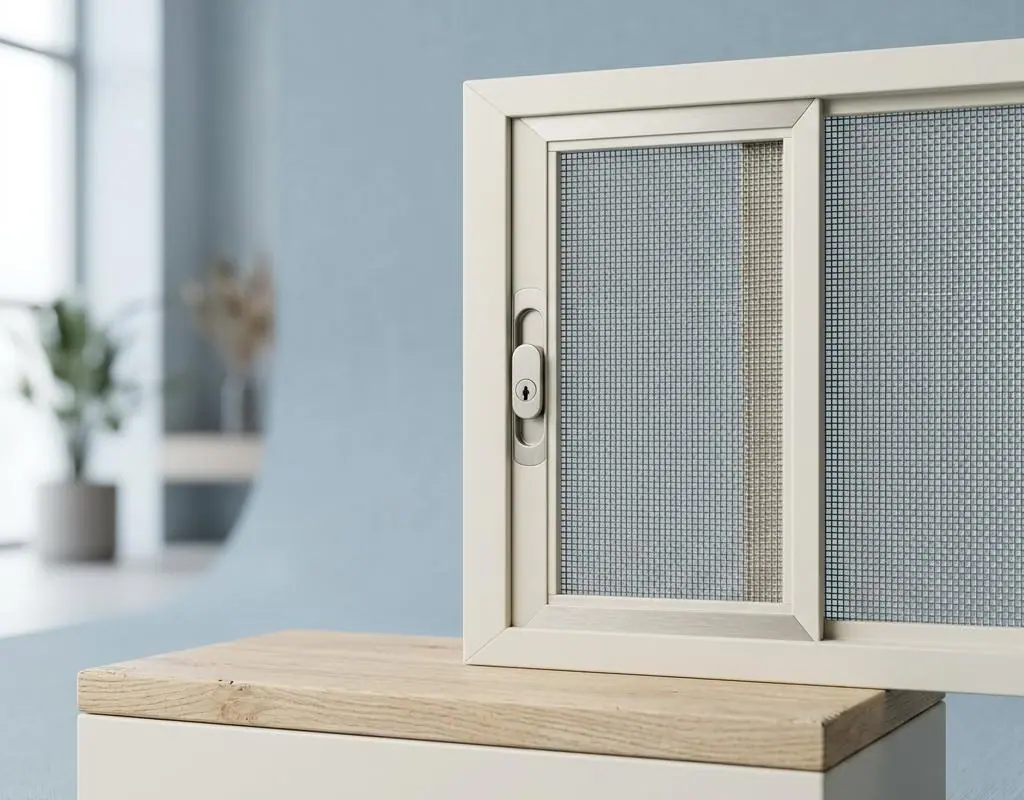
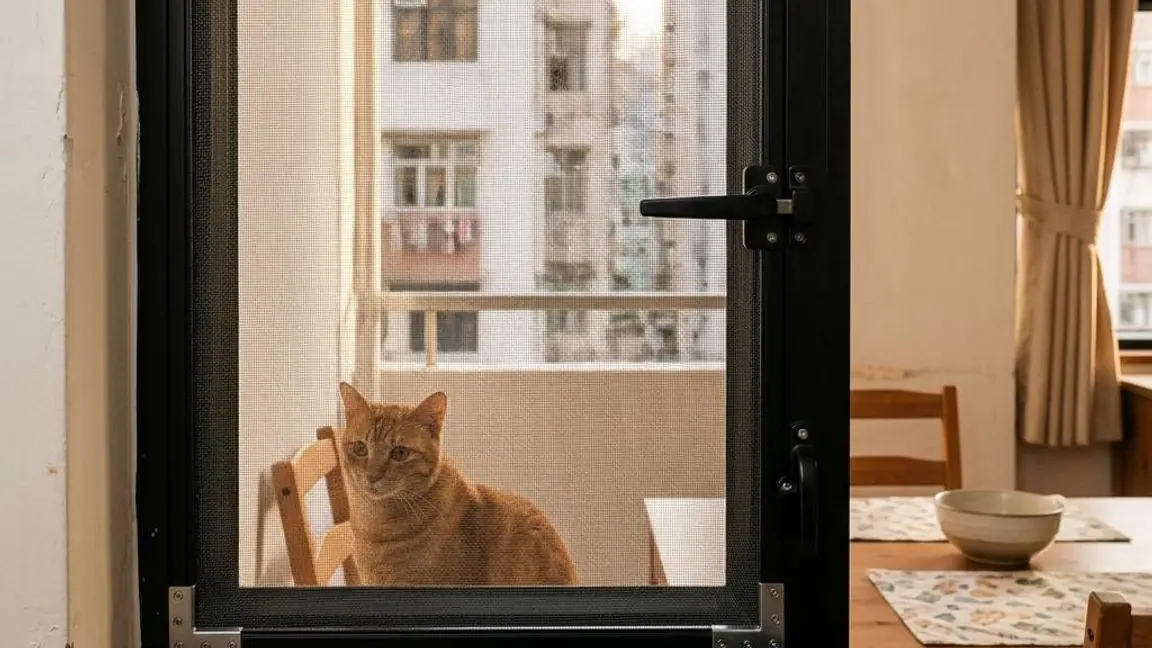
Cats are natural explorers, and their curiosity about the outside world often makes them long to leave the comfortable environment of home. To let cats safely enjoy outdoor fun, many cat owners choose to install cat screens. However, installing cat screens is not the end; you also need to pay attention to some details to prevent cats from escaping. This article will introduce the precautions after installing cat screens, helping you ensure your cat’s safety.
Regular inspection of the integrity of the cat screen
1. Check the condition of the mesh
The mesh of cat screens is the main passage through which cats may escape, so it is very important to regularly check the condition of the mesh. Make sure the mesh has no damage or wear, especially in areas where cats frequently move around. If any defects are found, they should be repaired or replaced immediately to avoid cats escaping.
2. Check the fixing devices
The fixing devices for cat screens, such as fasteners, clips, and ropes, also need to be checked regularly. Over time, these fixing devices may loosen or become damaged, thereby affecting the stability of the screen. Make sure all fixing devices are securely in place, and replace them promptly when needed.
Observe your cat’s behavior
1. Pay attention to the cat’s adjustment
Cats’ ability to adapt to a new environment varies from individual to individual. After installing a cat screen, closely observe the cat’s behaviour to understand whether it feels comfortable. If the cat shows signs of anxiety or unease, further adjustment of the screen’s position or design may be needed to help it adapt.
2. Understand cats' curiosity
A cat’s curiosity may drive them to explore the edge of the screen or approach the fittings, so it is necessary to ensure the safety of these areas. You may consider adding some barriers around the screen to reduce the chance of cats coming into contact with potential dangers.