
Back to the window screen encyclopediaCat protective screens: giving your furry children the safest protection

Cat protective screens: giving your furry children the safest protection

Table of contents

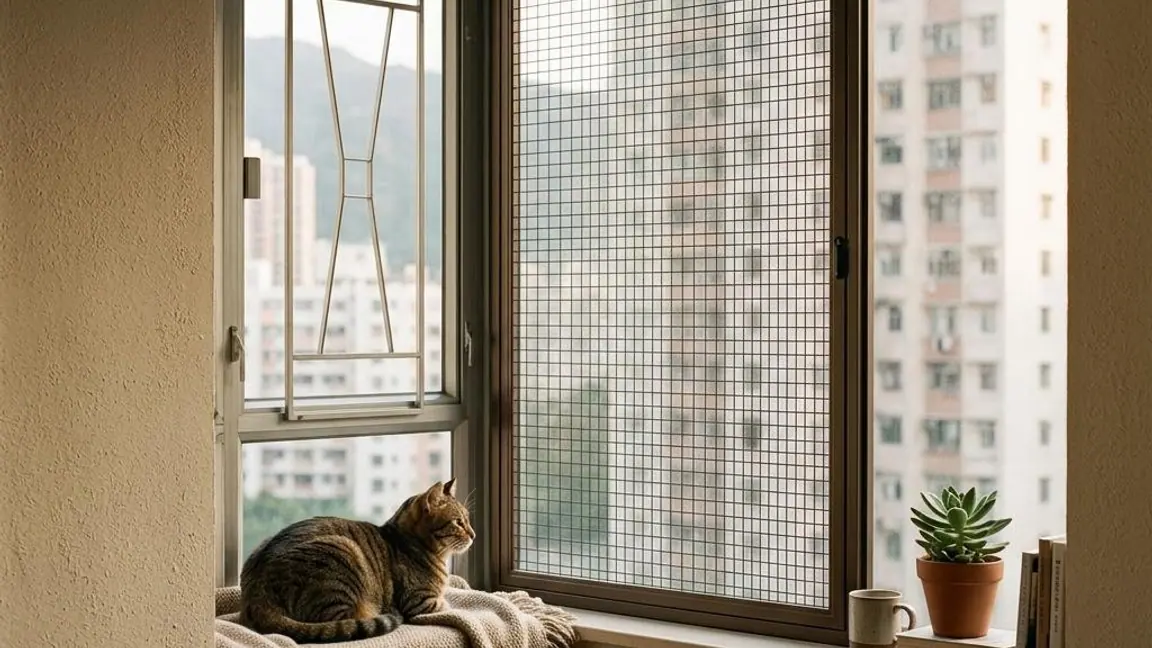
To ensure our cats can move safely at home, many cat owners choose to install cat protection screens. For those living in high-rise apartments or with open balconies, protection screens are an essential piece of equipment to prevent cats from falling from height. This article will discuss in more detail the related knowledge of choosing, installing, and maintaining cat protection screens.

Selection of cat protective screens

Choosing a suitable cat safety screen requires considering the following factors:

Material:The material of cat protective screens should be bite-resistant, scratch-resistant, and have a certain strength. Nylon or metal mesh are both good choices. Nylon mesh has a certain degree of elasticity and can absorb impact when cats jump; metal mesh is more sturdy and can withstand cats' scratching and biting, and can bear greater pressure.

Size:The mesh opening size of cat protective screens should be small enough to prevent a cat's head or body from passing through the mesh openings. Generally speaking, the mesh opening size should be smaller than the size of a cat's head.

Installation method:When choosing a cat protection screen, you also need to consider whether its installation method is simple and whether it can be securely fixed to the window or balcony. In addition, considering whether it is easy to remove is also an important factor, especially for users in rental homes.

Transparency:Cat protective screens should have a certain degree of transparency, allowing cats to see the scenery outside the window, which is also beneficial to cats' mental health.

Installation of cat protective screens

When installing cat screens, you need to prepare some tools, such as a drill, screwdriver, ruler, etc. The installation steps are as follows:

Measurement:First, you need to measure the height and width of the window or balcony so that you can buy a protective net of the appropriate size.
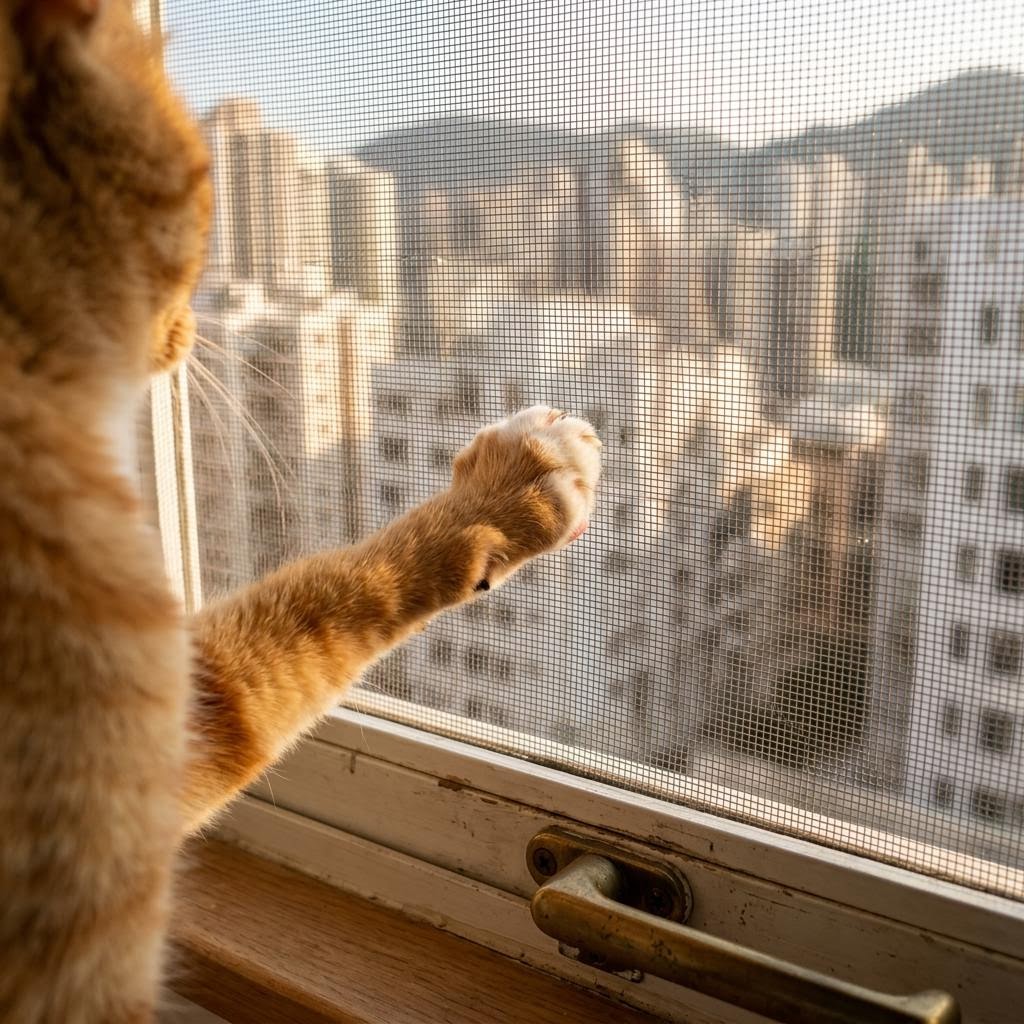
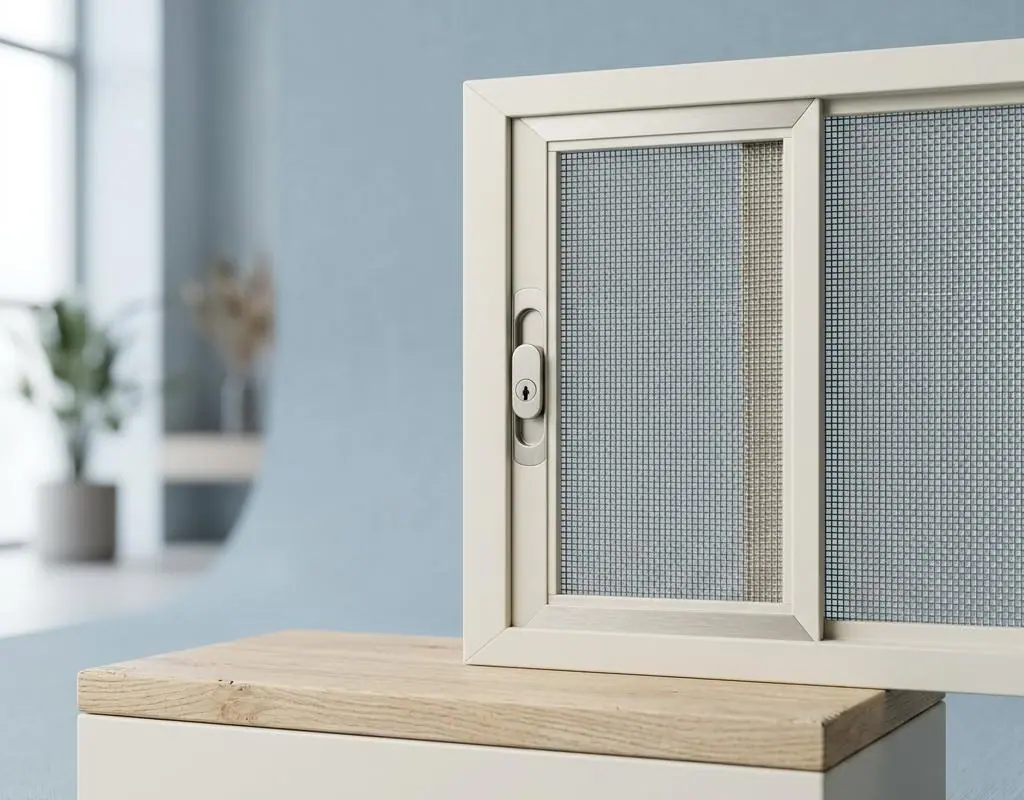
Drilling:According to the installation instructions for the protective screen, you may need to drill holes in the window frame or wall in order to secure the protective screen to the window or balcony.

Installation:Use the attached fixing devices (such as screws, cords, etc.) to secure the protective mesh to the window or balcony, ensuring it is stable and cannot be pulled down by cats.

Check:After installation is complete, please carefully check the safety of the protective screen, and confirm that all fixing devices are firmly secured to the window or balcony. You also need to make sure the cat cannot enter from the edge or underside of the protective screen.

Maintenance of cat protective screens

To ensure the service life and safety of cat protection screens, you need to carry out regular maintenance on them:

Check:Regularly check the condition of the protective screen to see whether there is any cracking, deformation or loosening. If any damage is found, replace the protective screen immediately.

Cleaning:The protective net will accumulate dust and dirt and needs regular cleaning. You can use a damp cloth or a soft brush to clean the mesh surface, then wipe it dry with a dry cloth.

Sun protection:If the protective screen is exposed directly to the sun, its strength and lifespan may be reduced due to ultraviolet rays. You can lower the curtains or shading cloth during the strongest sunlight to provide some shelter for the protective screen.

Cat protective screens are an important tool for protecting your cat's safety. Choosing the right material and size, and ensuring secure installation and regular maintenance, can provide the greatest protection for cats. Let's work together to create a safe and happy living environment for our furry children!

Frequently asked by readers

FAQ

3 FAQs related to this article
Q1What is the difference between cat screens and insect screens?

Mosquito nets are mainly used to prevent mosquitoes and insects. The mesh is relatively fine but is not necessarily claw-resistant, and it is not a pet barrier either; cat screens mainly use more claw-resistant materials or structures, and are used to reduce the chance of cats contacting the outside of the window. Most styles also have mosquito-prevention functions.

Q2After installing cat screens, can they completely prevent cats from falling from heights?

Guarantee cannot be made. Cat screens can reduce the risk, but no window screen can replace locking the window and daily supervision. Please check the screen mesh and fixing points regularly.

Q3Which cat screen is most suitable for my home?

Depending on the window type, the cat's personality, the fixing surface, and the budget. You can compare lockable full-open / triple-slide cat insect screens, Italian cat insect-proof roll-up screens, magnetic types and hinged-door types; transparent window grilles must also be assessed according to the fixing method. The insect-proof data for ordinary HD, Japanese ultra-high-definition, and adhesive insect screens is not enough to prove suitability as pet barriers. Recommendations will be made on-site during measurement according to the actual situation.

View all FAQs

Continue reading

Related guides

Handled by dedicated staff

Related services

View full price list

Professional assistance

Want to learn about Cat screen installation?

Send us photos of the installation location so we can understand the style, measurement and quotation arrangements.

The button will only open WhatsApp and prefill a message; it will only be sent after you confirm it.