Short answer:When installing cat screens or insect screens in a village house, record the windows, balcony doors, platforms and rooftop openings floor by floor, first distinguish between mosquito prevention and cat-keeping purposes, then confirm the fixed surfaces, passages and usage permissions. Balcony steel-wire cat screens are a cat screen service; the reference price per foot cannot be directly multiplied by the floor area. The actual enclosed area must be assessed on site.
Which doors and windows and mosquito entry points should be checked first in a village house?
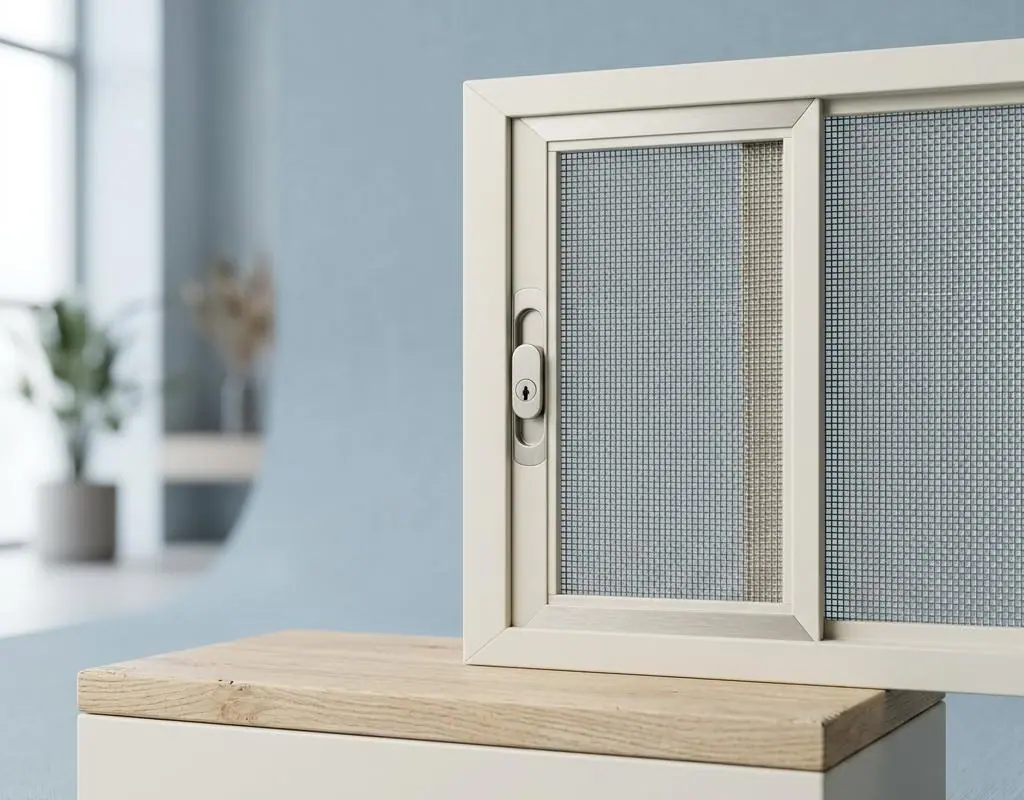
Village houses may have push-out windows, sliding windows, window grilles and balcony doors at the same time, and should not be treated as a single standard window for the whole house. List the openings on each floor and in each room, and record nearby trees, drainage locations and the times when mosquitoes usually enter, so as to distinguish whether mosquito prevention is needed or whether cat keeping also needs to be considered.
A mosquito net is one of the home mosquito-prevention measures; you should also deal with standing water in plant saucers and containers, and close other entry points. Adding a mesh does not mean there will never be any mosquitoes or insects indoors from then on.
The mosquito prevention information from the Hong Kong Housing Authority and the Housing Department recommends changing the water in vases and water-planted plants at least once a week, not allowing water to accumulate in flowerpot saucers, and paying attention to mosquito prevention for doors and windows. These measures need to be carried out together with the daily use of the screen, and installing a mosquito screen cannot replace clearing standing water.
With cats, how should windows, balconies and rooftops be planned together?
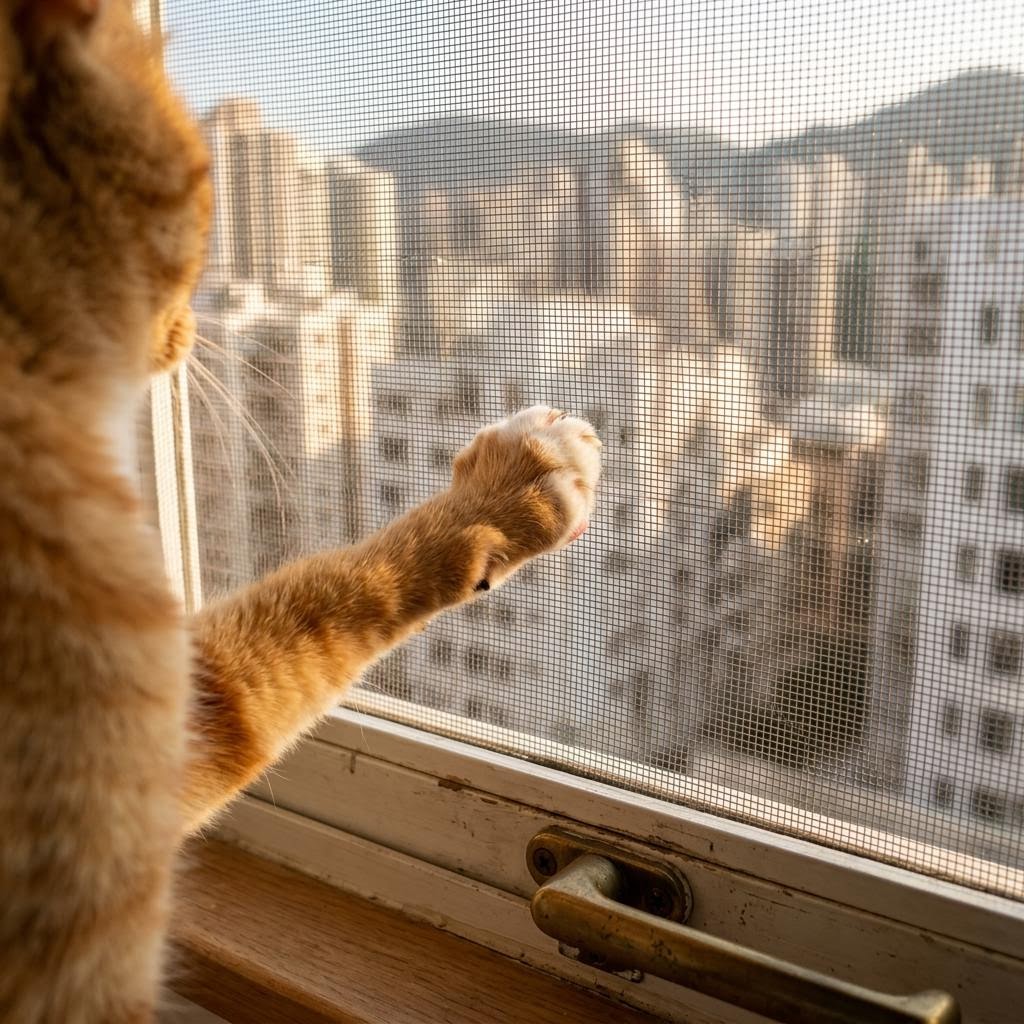
General insect screens are not pet barriers. If there are cats at home, windows, balconies, platforms and rooftop openings should all be checked together, and not only the bedroom window that is usually left open, while ignoring the doorway used daily.
Balcony stainless steel cat screens are classified under cat screen services, and the reference price is calculated by the foot, not by window. The actual enclosing length, fixing points and opening/closing accessways must be assessed on site, and the balcony floor area cannot be directly multiplied by the per-foot unit price.
For example, if the ground floor mainly needs insect protection, the upstairs bedroom has cats, and the rooftop has another entrance door, they should be listed separately as three usage scenarios, and you should not just ask for a single “how much for the whole home.” For locations with a door, you must also consider pet separation when opening and closing, moving items, and equipment access; the display state with the screen closed is not the only evaluation point.
On-site inspection checklist before measuring
- Whether the window frame, grille, and railings have rust, looseness, or deformation.
- Will the door leaf and window handle collide with the screen frame after opening.
- Whether eaves, drainpipes and corners will create uncovered gaps.
- Whether there is any passage or equipment operating space that needs to be kept on the rooftop or platform.
- Whether different floors have different fixed surfaces and access conditions.
If there is a suspected damaged or loose area, stop using the relevant opening first and have it inspected by the appropriate personnel. Do not climb onto railings or eaves, or test the load-bearing capacity by pulling it yourself.
If the mesh is close to an air conditioner, drainage pipe or other facilities, note whether cleaning and maintenance in the future will require opening a passage. Do not fix the mesh to pipes of unknown use or loose railings, and then assume the whole enclosure is reliable; the fixing points must be confirmed by on-site assessment.
What permissions need to be confirmed before installing screens on a balcony or rooftop?
Village houses may also involve owners, management arrangements, public access passages, or appearance restrictions. Before installation, it is necessary to confirm which areas have the right to be used and altered; the enclosed area of the screen should not be decided only by what is convenient for construction, and must not block access or necessary passages.
When booking, please tell us the floor, access route, parking or carrying restrictions, and provide photos taken from a safe angle. High-level, exterior wall and hard-to-reach locations should be assessed first; it does not mean the same solution can be used for every site.
If the fixing or coverage area of the mesh may involve building requirements, please first verify with the management office, owner, or relevant professionals. On-site measuring or receiving a product quotation does not mean that the relevant approval has been obtained, nor does it constitute confirmation of land or roof usage rights.
Check again after rain and strong winds
Outdoor locations are more exposed to rain, dust and wind. Pay attention to whether the seals, fixings, tracks and screen mesh are loose, rusted or making unusual noises; after strong winds or severe weather, inspect first and decide whether to open the window according to the on-site safety conditions.
If cracks, frame displacement or the cat having previously charged into the mesh are found, close the window, isolate the pet, then send photos to arrange an inspection. Do not use temporary tape repairs and continue to treat it as normal use.
How to compare quotes and handover after completion for village house window screens?
Record items separately by window, by door and by foot, and check the style and quantity for each location. Reference prices cannot replace a site-measurement quotation; whether extra materials, special fixing or other work is involved should be explained before confirmation.
You can request that the starting point, end point, corners, and movable door be marked on the photo or location list, and that the definition of the measured length be written clearly. Simply saying the balcony is “how many square feet” cannot give the required length for items charged by foot, especially since perimeter, area, and the number of mesh panels must not be mixed up by yourself.
At handover, have the installer demonstrate how to open and close, lock and clean it, and then confirm the daily-use positions one by one. Cat screens cannot guarantee prevention of falls, and cats should not be left unattended on balconies or rooftops either.
Take photos of each location in the closed and locked state, and keep them together with the confirmed quotation and operating instructions. If a new air conditioner is added, furniture is moved or curtains are changed later and this affects the screen frame or passage, you should first understand the required protection and reinstatement arrangements.
Useful links and reference sources
- Cat screen service: including balcony wire cat screens
- Mosquito net service: compare door and window mosquito-prevention styles
- Mosquito season in Hong Kong: Mosquito prevention preparations beyond window screens
- Window screen price list: check the pricing unit
- Hong Kong Housing Authority and Housing Department: Mosquito Prevention:Includes removing standing water, changing water in vases and water-grown plants at least once a week, and mosquito prevention measures for doors and windows.
- Buildings Department, Hong Kong: Common Questions about Window Repairs:Explain the importance of window components, regular inspection and maintenance; window inspection and a cat screen appearance self-check are different tasks.
- The Society for the Prevention of Cruelty to Animals in Hong Kong: Adopting and Caring for Cats:General advice on cat-friendly homes and window protection; not a test or certification of any individual window screen product.