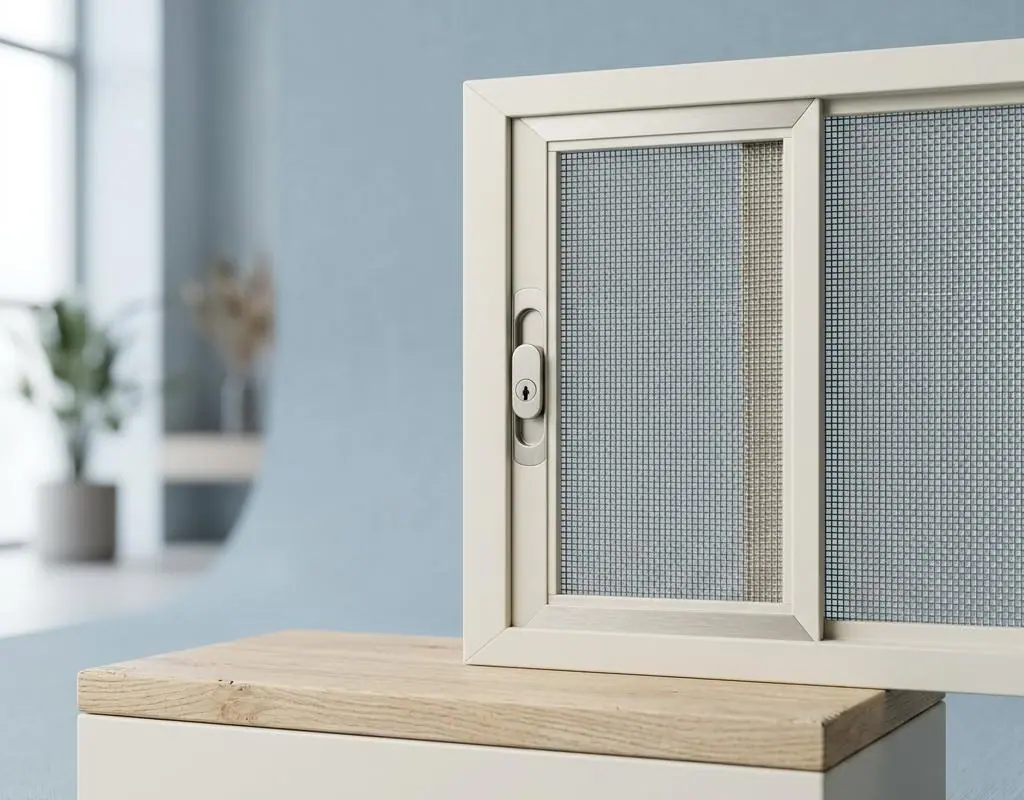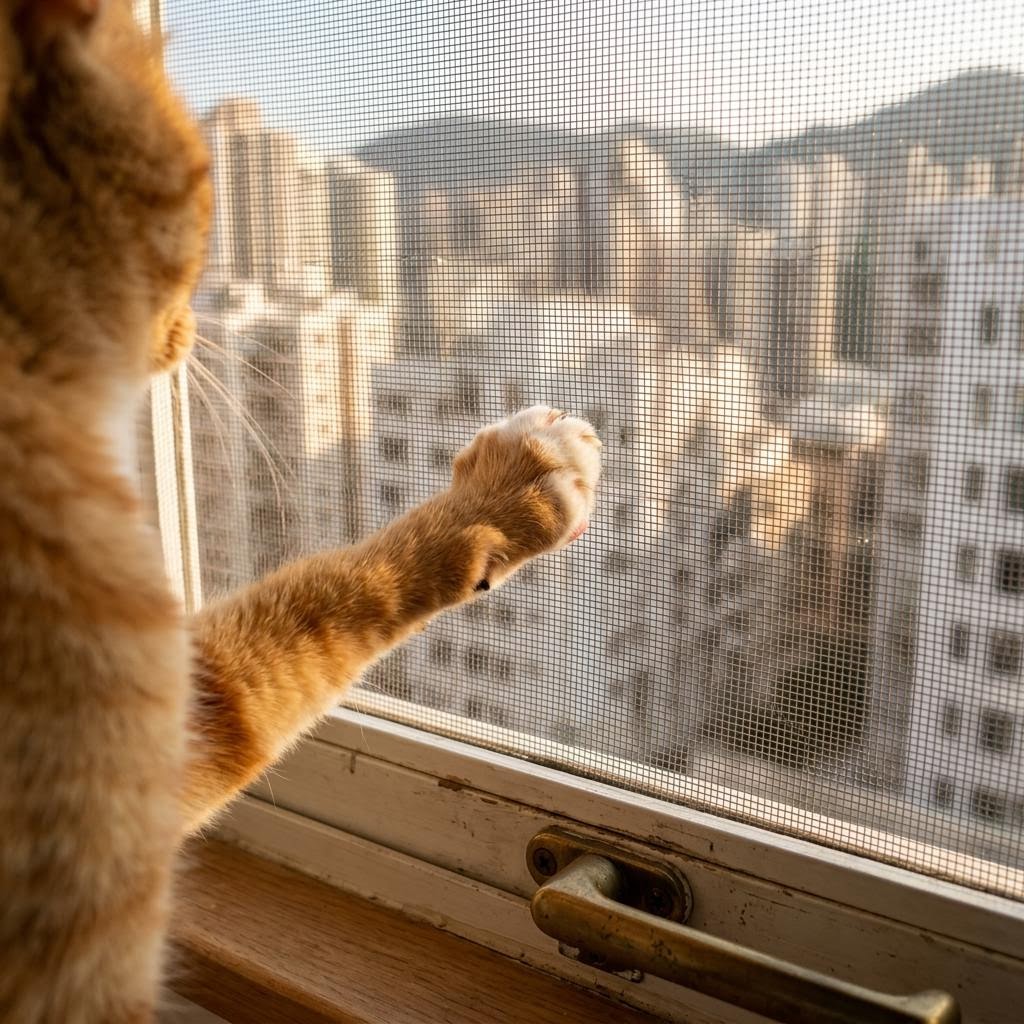
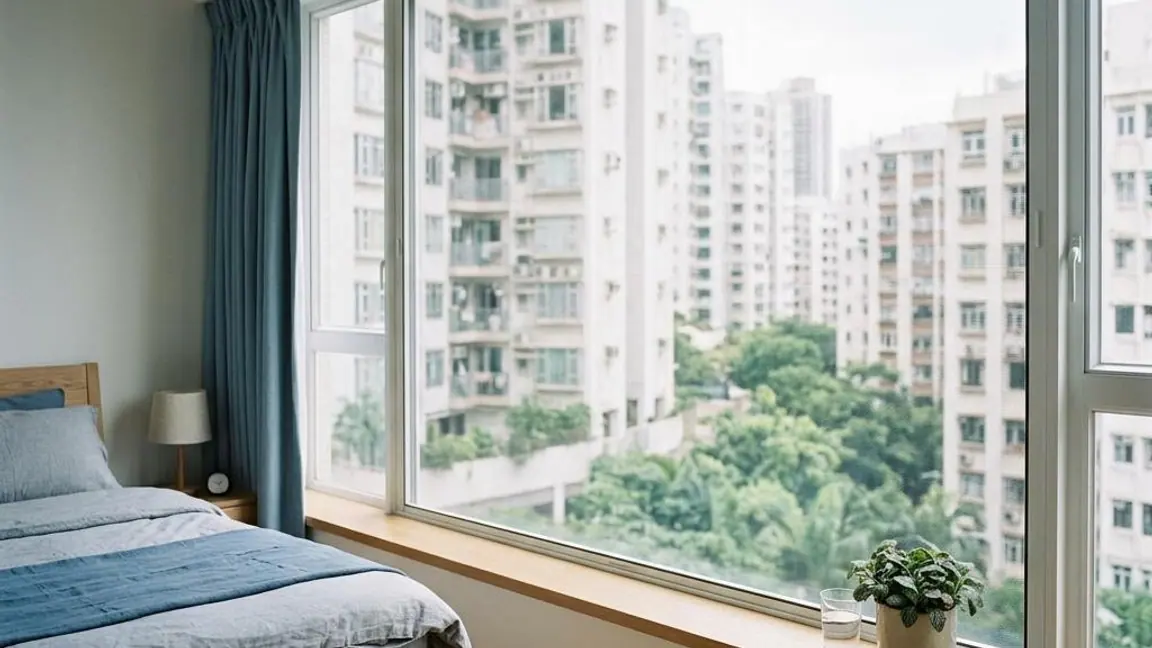
As the environment changes, mosquitoes and insects bring not only annoyance but also health threats. High-definition insect screens have emerged, providing modern households with a solution that can effectively isolate insects without compromising home aesthetics. This article will take an in-depth look at the features of high-definition insect screens, purchasing tips, and usage and maintenance knowledge to help consumers make informed choices.
Core features of high-definition insect screens
Invisible perspective
High-definition insect screens use ultra-fine mesh, making the mesh almost invisible from a certain distance away, thereby achieving an almost invisible effect. This design can not only effectively prevent insects from entering, but also ensure clear visibility between indoors and outdoors, allowing natural light to enter the room more easily.
Excellent ventilation
Traditional insect screens often hinder indoor air circulation because of their larger mesh openings, while high-definition insect screens, with their finer mesh design, can effectively block insects while also maintaining air circulation and improving indoor ventilation.
Durability and environmental friendliness
High-definition insect screens are usually made of environmentally friendly materials such as polyester fiber. These materials not only have good weather resistance and UV resistance, but also strong tensile and tear resistance, extending the service life of the insect screen.
How to choose a suitable high-definition insect screen
Confirm the size and type
Before choosing a high-clarity insect screen, you should first measure the size of the window or door and determine the type of insect screen needed, such as fixed, roll-up, or magnetic adsorption types.
Consider the material
Different materials affect the light transmittance, breathability, and durability of insect screens. For example, polyester-fiber insect screens have good breathability, while stainless steel insect screens are more durable.