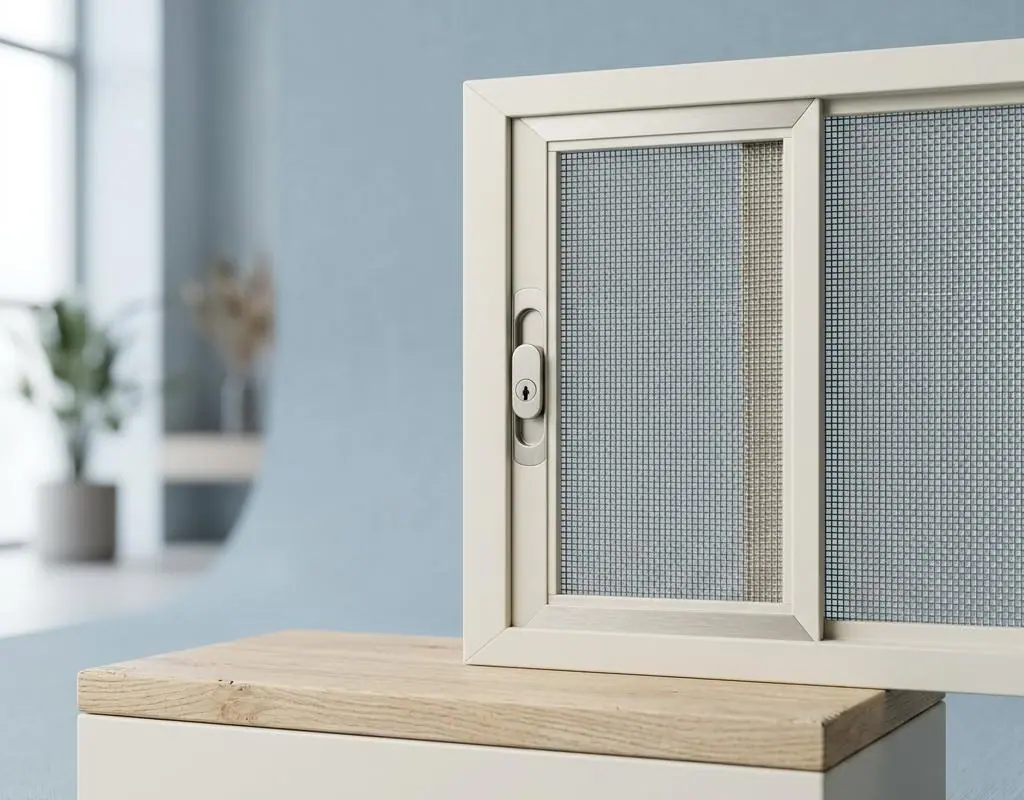
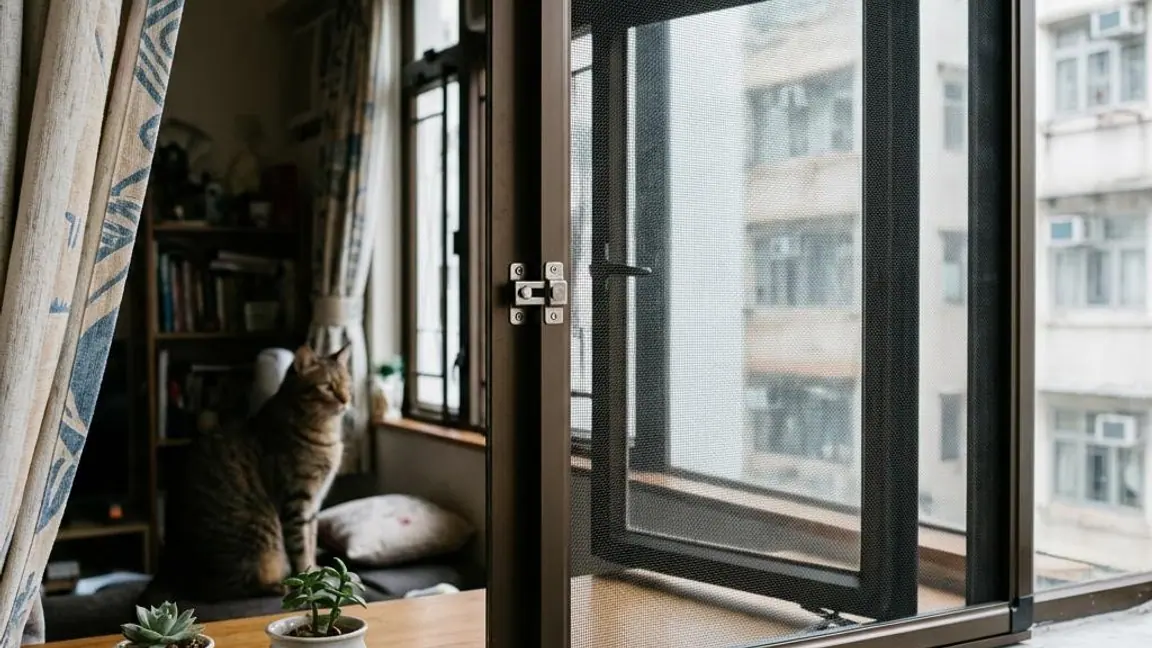
In the hot and stuffy summer climate, mosquito prevention measures at home are indispensable. In addition to common mosquito nets, electric mosquito repellents and other mosquito-prevention devices, installing quality screen windows is also a very good choice. Screen windows not only block mosquito intrusion, but also effectively prevent dust and impurities from entering the interior, creating a fresher and more comfortable living environment for the family. So how do you correctly install this multifunctional screen window? Let's take a look at the whole process with illustrations!
Choose a suitable window screen
The first step in installing insect screens is to choose the right product. Common insect screen materials on the market include aluminium alloy, stainless steel, wood, and other options. Among them, aluminium alloy insect screens are popular for their lightness and durability. In addition, you should choose a suitable size according to the dimensions of your doors and windows. Remember not to buy casually, otherwise installation will be very troublesome.
Measure door and window dimensions
During the installation of insect screens, precise measurements are very important. We need to carefully measure the length, width and depth of the doors and windows, and also pay attention to the thickness of the door and window frames. Some doors and windows may have slight deviations, so extra care should be taken when measuring, striving for the greatest possible accuracy.
Prepare installation tools
To ensure the installation process goes smoothly, we need to prepare the required tools in advance. These usually include a tape measure, pencil, drilling machine, screwdriver, electric drill, glue gun, etc. Having all the tools ready can ensure the installation process is efficient and accurate.
Start installation
1. First place the screen frame on the door or window and confirm whether the size fits. If there are areas that need adjustment, you can use an electric drill to drill holes in the frame.
2. Fix the frame onto the door or window, using screws or special fixing clips. When fixing, pay attention to keeping it level and vertical.
3. Next, install the mesh for the insect screen. First, lay the mesh flat, then use a glue gun to stick the mesh around the frame. Note that the tension of the mesh should be moderate; it should not be too tight or too loose.
4. Finally, sealing adhesive can be applied around the frame to enhance the fixing effect.
Adjust the screen
After the screen has been installed, fine adjustments are still needed. First, check whether the doors and windows open and close smoothly; if there is any sticking, it must be resolved immediately. Second, pay attention to the sealing of the screen to ensure there are no gaps when the doors and windows are closed. If necessary, adjust the frame position appropriately or apply adhesive again.