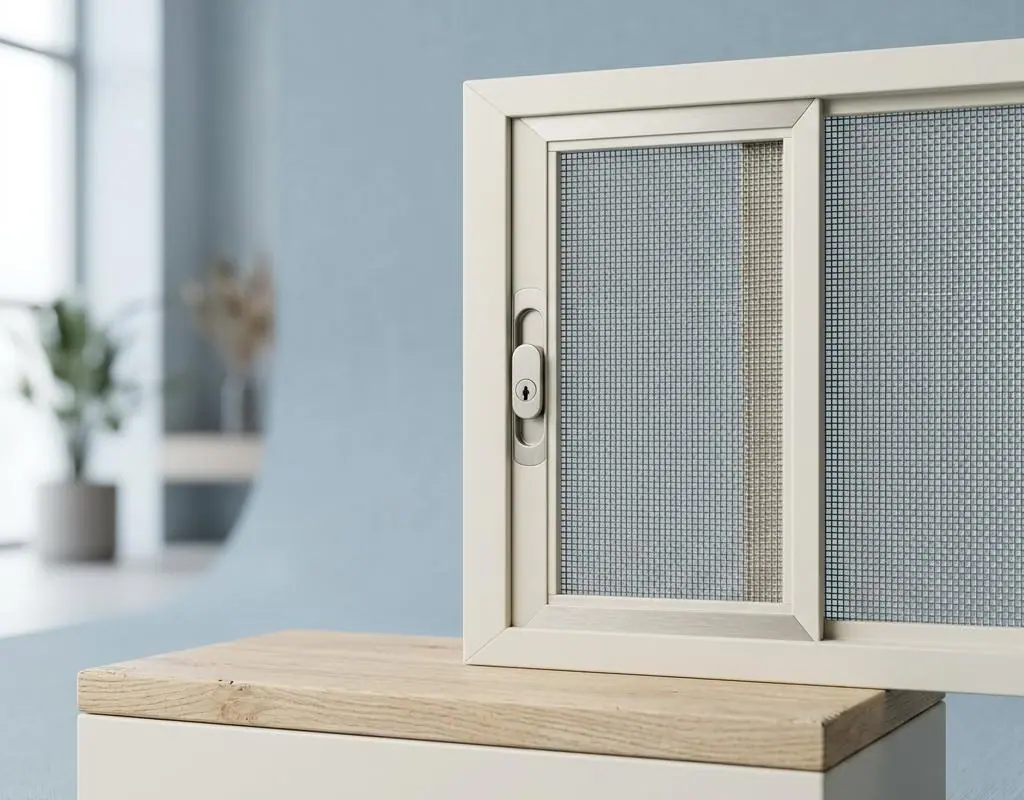
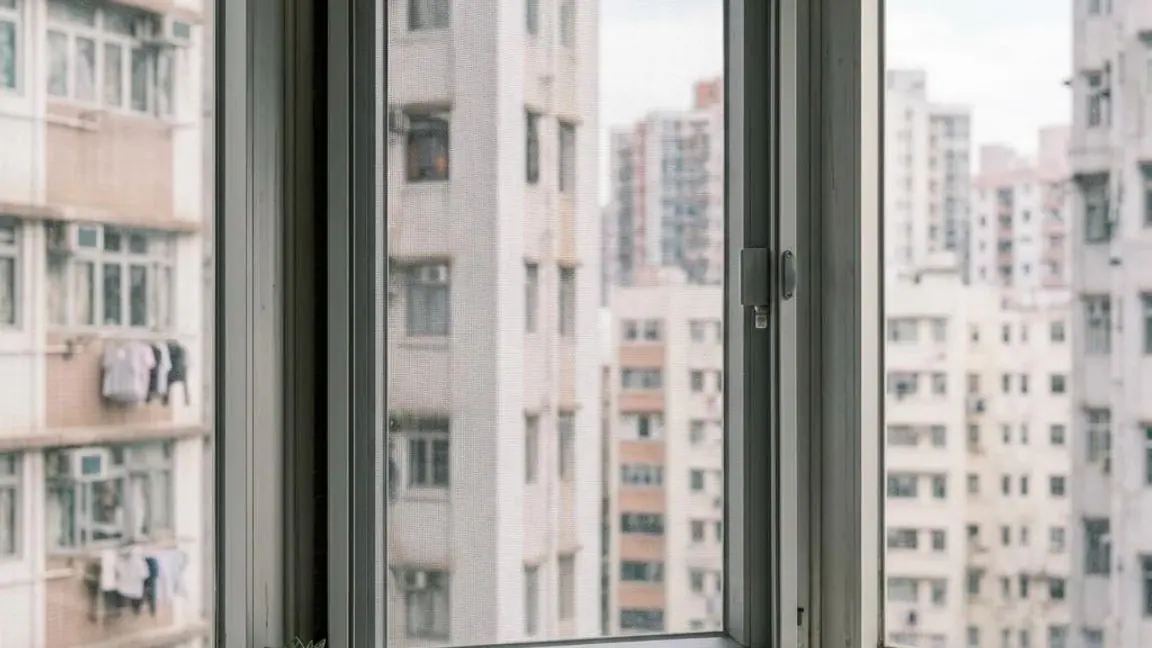
As summer arrives, mosquitoes become a nuisance in many people's lives. To keep away mosquito bites, installing insect screens at home is a very effective method. However, to truly get rid of mosquito disturbance, installation alone is not enough. You also need to pay attention to some details in order to completely say goodbye to mosquitoes and enjoy a safe and comfortable summer life.
Choose the appropriate insect screen material
Choosing the material for insect screens is very important. Common insect screen materials include aluminum alloy, stainless steel, and fiberglass, each with its own characteristics. Aluminum alloy insect screens are lightweight and durable, but they are prone to deformation; stainless steel insect screens are strong and durable, but relatively heavy; fiberglass insect screens are lighter, but less resilient. According to the size of the doors and windows and the home décor style, it is important to choose a suitable material that can effectively block mosquitoes while also matching the home’s aesthetics.
Choosing the installation location is crucial
The installation location of door and window insect screens directly affects their mosquito-proofing effectiveness. Generally speaking, insect screens should be installed on the outside of doors and windows, so that they can not only block mosquitoes from entering, but also protect the insect screens themselves from damage. If installed on the inside, the insect screens are easily knocked and deformed when the door is opened and closed. In addition, the installation height of the insect screens is also very important; it should match the height of residents' daily activities, so as not to affect daily activities while effectively blocking mosquitoes.
The installation process requires professional handling
Proper installation workmanship is crucial to whether an insect screen can deliver the best anti-mosquito effect. First, the exact dimensions of the door or window need to be measured, and a suitable insect screen should be custom-made according to the dimensions to ensure there are no gaps after installation. Second, when installing, make sure the insect screen is firmly fixed to the door or window, with no gaps at all. Finally, attention should also be paid to the tension of the insect screen; it should not be too loose or too tight, but kept at a moderate tension. These details need to be mastered by professional installers to truly achieve anti-mosquito protection with no loopholes.