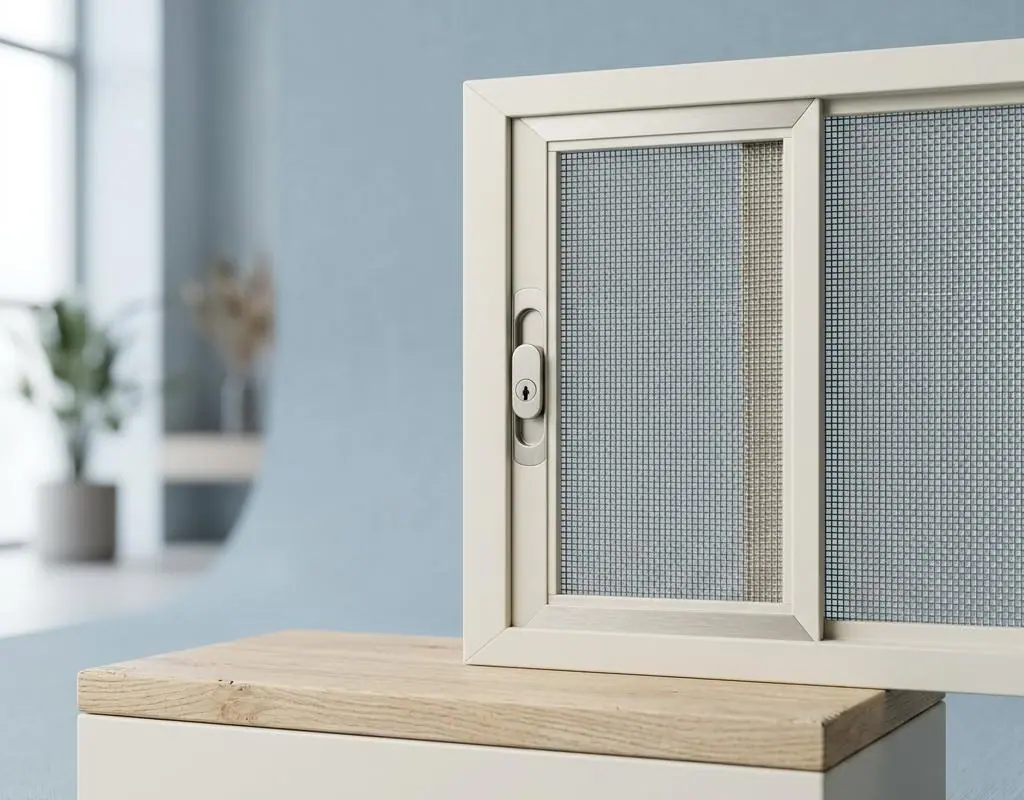

When summer arrives, mosquitoes and other flying insects also come with it. They not only cause annoying bites, but may also spread various diseases such as dengue fever and malaria. Therefore, choosing a suitable insect screen will become an important part of protecting your family. This article will provide you with a comprehensive guide on how to choose an insect screen, allowing you to effectively prevent mosquitoes and insects from entering your home.
Learn about the importance of insect screens
A mosquito screen is a simple and effective protective device that can block mosquitoes and other flying insects from entering your home. They are usually installed at window and door openings, allowing indoor spaces to remain ventilated while preventing mosquito intrusion. When choosing a mosquito screen, the factors you need to consider include the material, size, installation method, and whether it has additional protective functions.
Types and materials of mosquito screens
Mosquito screens are made from a variety of materials, including nylon, metal, fibreglass and polyester. Choosing different materials will affect the mosquito screen's strength, durability, and ease of cleaning and maintenance.
Nylon:Nylon insect screens are the most economical choice. They are lightweight and easy to install, but nylon is not very durable and may tear or be damaged in the short term.
Metal:Metal insect screens are usually made of aluminium or stainless steel. They are very sturdy and durable, but may require professional installation, and the price is higher.
Fiberglass:Fiberglass insect screens have a sturdy structure and strong resistance to sunlight and water, and they are also relatively easy to clean and maintain.