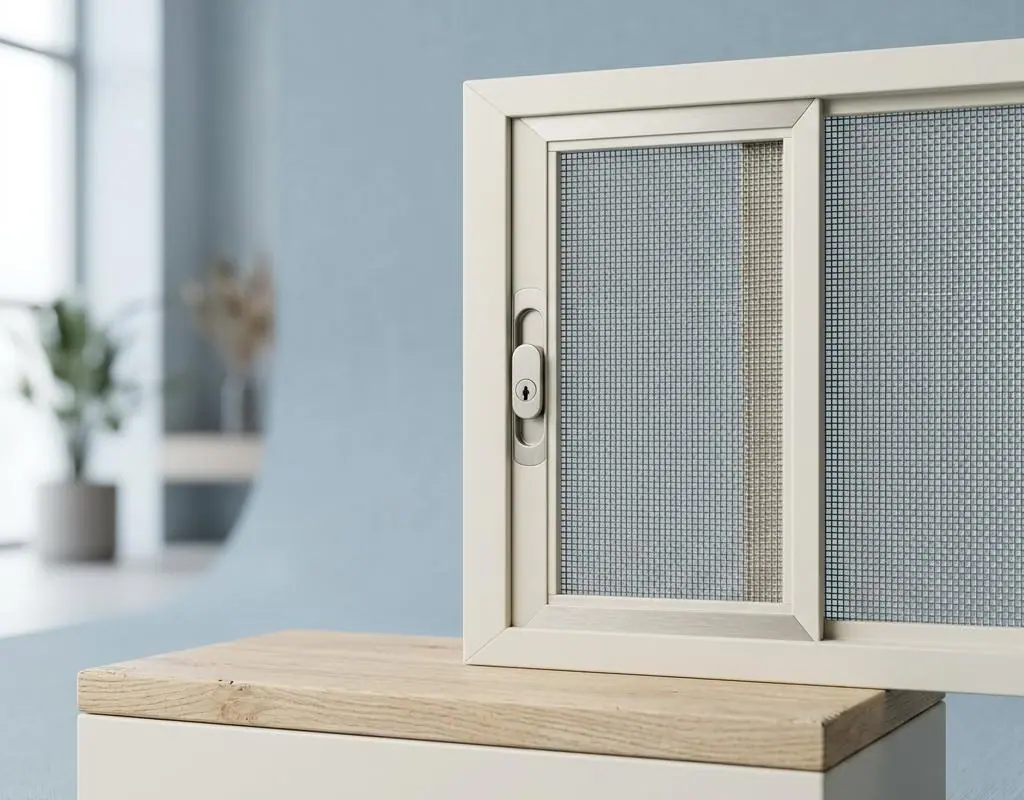
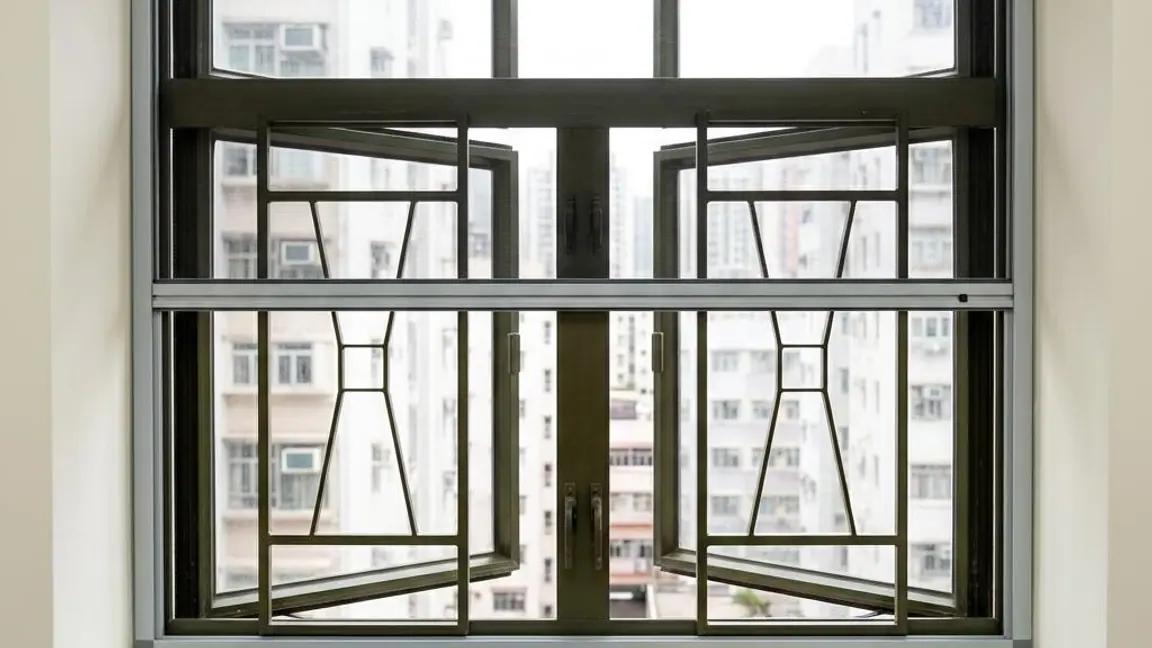
Mosquito screens are a necessity in our lives. They provide us with a safe space, allowing us to stay free from the nuisance of mosquitoes and other insects. However, faced with the many mosquito screen materials on the market, do you feel confused and unsure how to choose? This article will introduce the characteristics of various mosquito screen materials to help you make an informed choice.
Nylon material
Nylon is one of the common materials for insect screens. It is lightweight, has fine mesh, and is highly durable. Nylon insect screens are not easily damaged by insects gnawing on them, and they are easy to clean. For users who often clean insect screens, nylon insect screens are a very good choice. However, nylon material has relatively poor breathability, which may make people feel stuffy in summer.
Polyester fiber material
Polyester fiber insect screens also have good insect prevention performance, and their breathability is relatively good, making them suitable for summer use. The mesh of polyester fiber insect screens is fine and dense, which can effectively block the invasion of mosquitoes and insects; however, the durability of polyester fiber insect screens is relatively poor, and they are easily damaged by mosquitoes and insects chewing on them. When choosing a polyester fiber insect screen, special attention needs to be paid to the mesh density.
Metal mesh material
Metal mesh insect screens are a more durable insect screen material, usually made of aluminium or copper. The mesh size of metal mesh insect screens can be adjusted to effectively block insects of different sizes. In addition, metal mesh insect screens are highly durable and are not easily affected by humid environments, making them suitable for use in humid environments. However, the visual effect of metal mesh insect screens is poorer, so users who pursue indoor aesthetics may need to consider this again.