
Back to the window screen encyclopediaInstallation locations for insect screens: the best choices for windows, doors, and balconies

Installation locations for insect screens: the best choices for windows, doors, and balconies

Table of contents

Mosquitoes not only affect our sleep quality, they may also spread various diseases. Therefore, installing insect screens has become the preferred anti-mosquito solution for many households. Choosing the proper installation location is crucial, as it can effectively reduce the chances of mosquitoes entering indoors. This article will discuss insect screen installation locations for windows, doors and balconies to help you make an informed choice.

Installation of an insect screen on the window

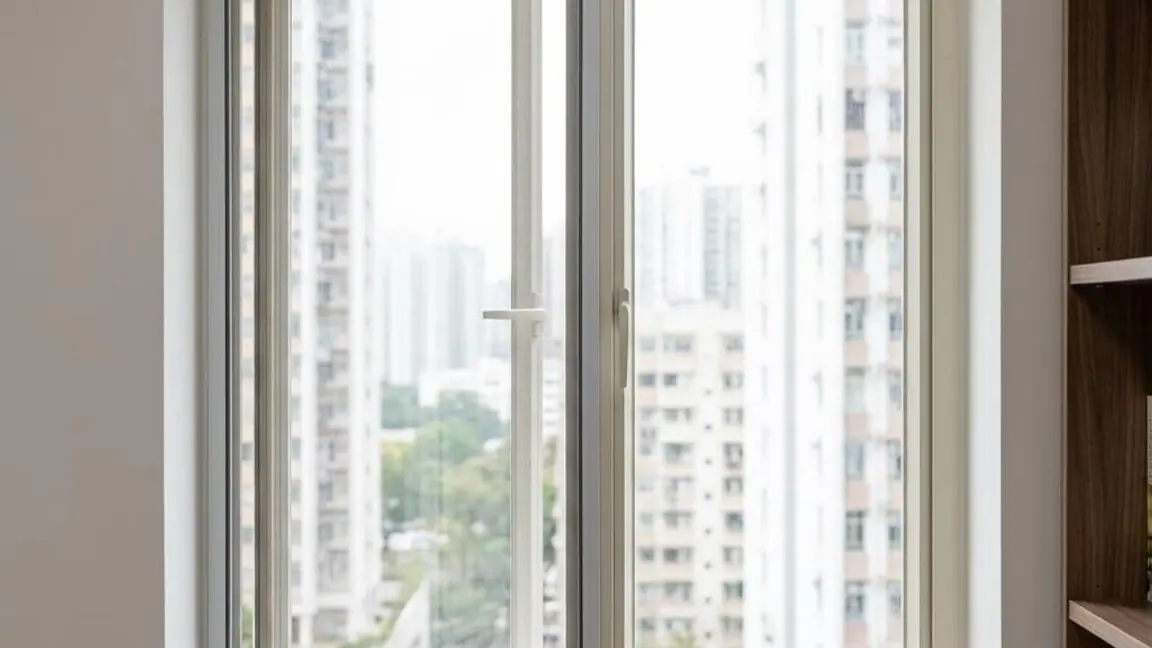
Windows are one of the main channels through which insects enter indoors, so installing insect screens on windows is the first step in mosquito prevention. Choosing the right type of insect screen is crucial; common ones include fibre mesh, metal mesh, and plastic mesh. Fibre mesh has good breathability and is suitable for home use, while metal mesh is more durable and suitable for windows that are opened and closed frequently.

During installation, ensure the insect screen fits tightly against the window frame to avoid any gaps. Using dedicated fixing hardware, such as adhesive strips or clips, can effectively prevent insects from entering. In addition, regularly check the sealing of the windows to ensure there is no aging or damage, which can further enhance the protective effect.

Door insect screen installation

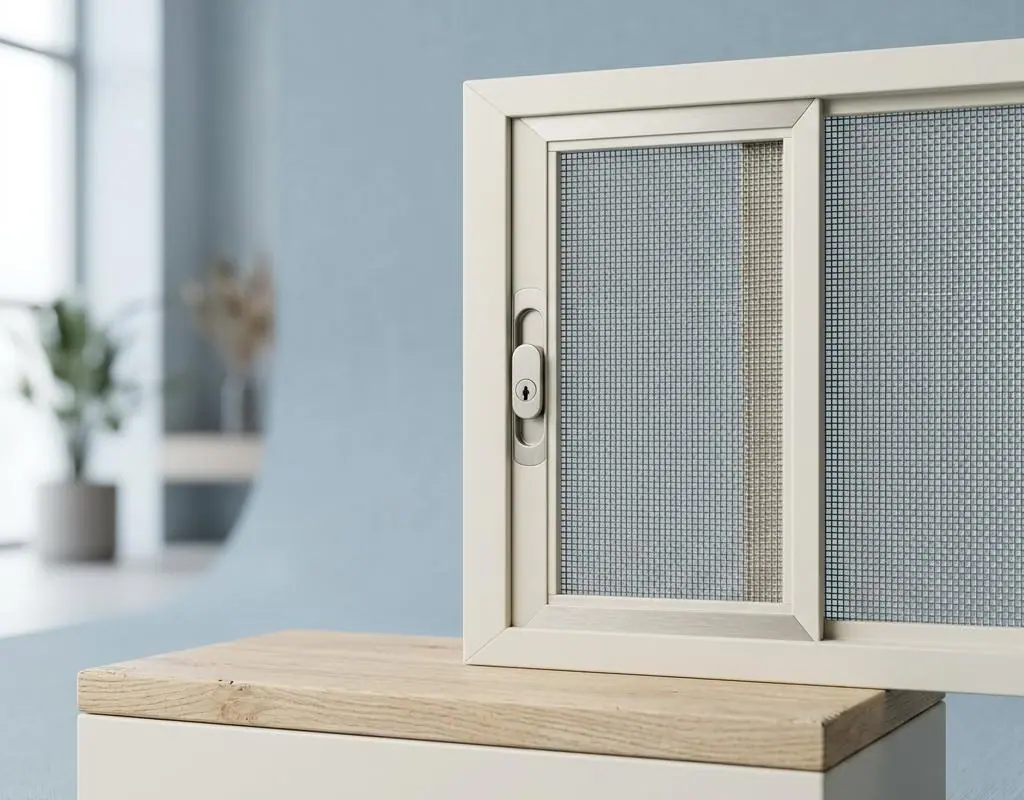
The door is another important entry point for insects, especially in households with frequent coming and going. For door insect screen installation, it is recommended to use an open-and-close design, such as a magnetic insect screen or a sliding insect screen, which is convenient to use without affecting passage.

When installing a magnetic insect screen, it needs to be fixed on the door frame, ensuring that the magnetic strips on both sides can close automatically to prevent mosquitoes and insects from entering. For sliding insect screens, make sure they operate smoothly, and check whether they are fully closed after use. This can effectively block the intrusion of mosquitoes and insects, especially in open spaces.

Balcony insect screen installation

As a bridge connecting indoors and outdoors, balconies often become a gathering place for mosquitoes and insects. Therefore, installing insect screens on balconies is also very important. For balcony insect screens, it is recommended to use a fixed or sliding design, choosing the most suitable method according to the size of the balcony and frequency of use.

If the balcony has large windows or glass doors, you can consider installing a panoramic insect screen, which can not only prevent insects but also maintain a good view and ventilation effect. During installation, ensure the screen is close to the frame, avoiding any possible gaps. In addition, the balcony insect screen should be able to withstand wind and rain; choosing weather-resistant materials will help extend its service life.

Looking for professional team help

Although the installation of insect screens seems simple, for people who are not familiar with the installation process, various challenges may arise. Finding a professional installation team can help you solve these problems. They have rich experience and professional tools, and can ensure the insect screens are installed in the correct position while maximizing the protective effect.

A professional team can also provide tailored advice based on your needs, helping you choose the most suitable insect screen product. This not only saves time, but also ensures that you achieve the best results in mosquito prevention.

Installing insect screens is an effective way to protect the family from mosquito intrusion, and choosing the right installation location is even more important. Whether it is a window, door or balcony, correct installation not only improves protection, but also makes the home environment more comfortable. We hope this article can help you understand how to choose the installation location for insect screens, so that your family can be safer and healthier during mosquito season!

Frequently asked by readers

FAQ

3 FAQs related to this article
Q1What is the difference between cat screens and insect screens?

Mosquito nets are mainly used to prevent mosquitoes and insects. The mesh is relatively fine but is not necessarily claw-resistant, and it is not a pet barrier either; cat screens mainly use more claw-resistant materials or structures, and are used to reduce the chance of cats contacting the outside of the window. Most styles also have mosquito-prevention functions.

Q2Can a general insect screen be used as a cat screen?

Not recommended. Standard insect screens are designed to keep insects out, and cats can scratch through or push them open. If there are cats at home, please choose cat screens.

Q3How do you compare ordinary high-definition and Japan ultra-clear retractable insect screens?

HD insect screens are $800 per window and $1,300 per door; Japanese ultra-high-definition insect screens are $1,500 per window and $2,500 per door. They should be compared according to transparency, opening and closing, cleaning needs, size and fixing conditions; sizes beyond the included range require separate quotation. Old booking service records only prove insect-proof use, and cannot be used to claim 22-mesh, 48-mesh, scratch resistance or cat-safe level; households with cats must be separately assessed.

View all FAQs

Continue reading

Related guides

Handled by dedicated staff

Related services

View full price list

Professional assistance

Want to learn about Mosquito net installation?

Send us photos of the installation location so we can understand the style, measurement and quotation arrangements.

The button will only open WhatsApp and prefill a message; it will only be sent after you confirm it.