
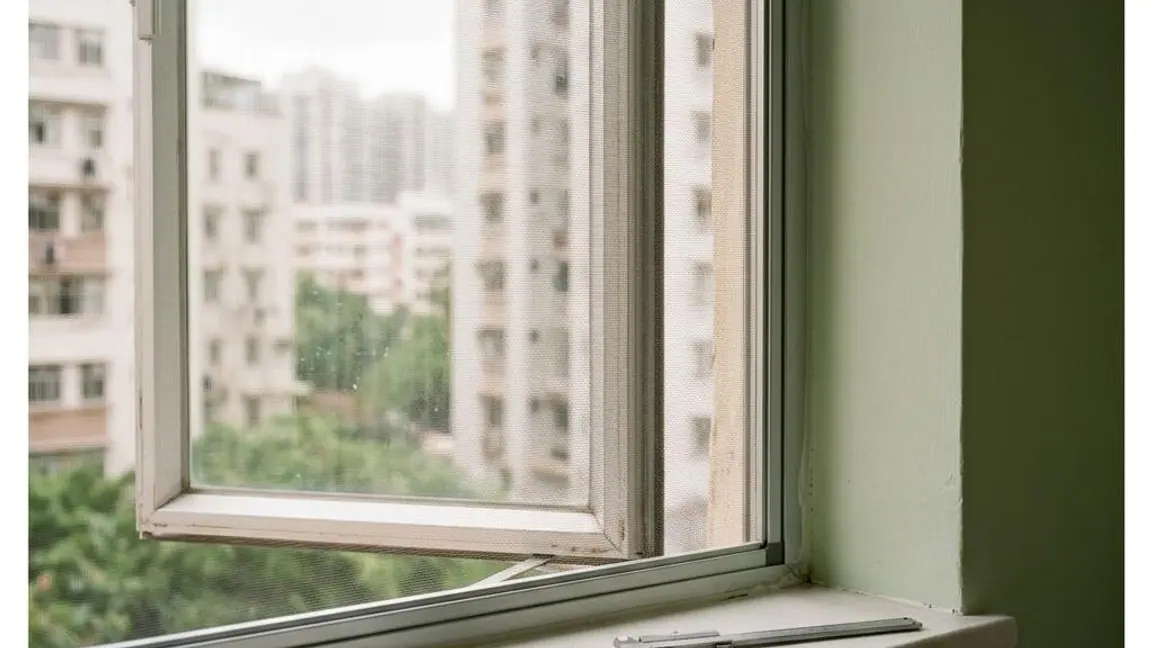
Back to the window screen encyclopediaThe impact of mosquito net installation on indoor air circulation

The impact of mosquito net installation on indoor air circulation

Table of contents

In the hot summer, mosquitoes become a major nuisance for many households. In order to resist the intrusion of mosquitoes and other insects, many people choose to install insect screens. However, insect screens not only prevent mosquitoes from entering, but also affect indoor air circulation. This article will explore the impact of insect screen installation on indoor air circulation to help readers understand the role of insect screens more comprehensively.

1. Basic functions of insect screens

The main function of insect screens is to prevent mosquitoes and other insects from entering the indoor space, safeguarding the health of family members. By installing insect screens on windows and doorways, insect intrusion can be effectively blocked, reducing the risk of mosquito bites. This function is especially important in summer, because the hot and humid environment easily breeds insects. However, installing insect screens will also have a certain impact on indoor air circulation.

2. The impact of insect screens on air circulation

1. Block air flow

In some cases, insect screens may cause a certain degree of obstruction to air circulation. In particular, when the mesh openings of the insect screen are too small or the installation is improper, air may be restricted when entering and exiting, resulting in poor indoor air circulation. This may make the indoor air stuffy and affect living comfort.

2. Improve ventilation efficiency

However, properly installed insect screens can also improve ventilation efficiency. High-quality insect screen designs usually take airflow needs into account, using larger mesh openings to ensure air can flow freely. Such insect screens not only prevent mosquitoes and insects from entering, but also maintain good indoor ventilation, avoiding stuffiness caused by poor airflow.
3. Choosing the right insect screen

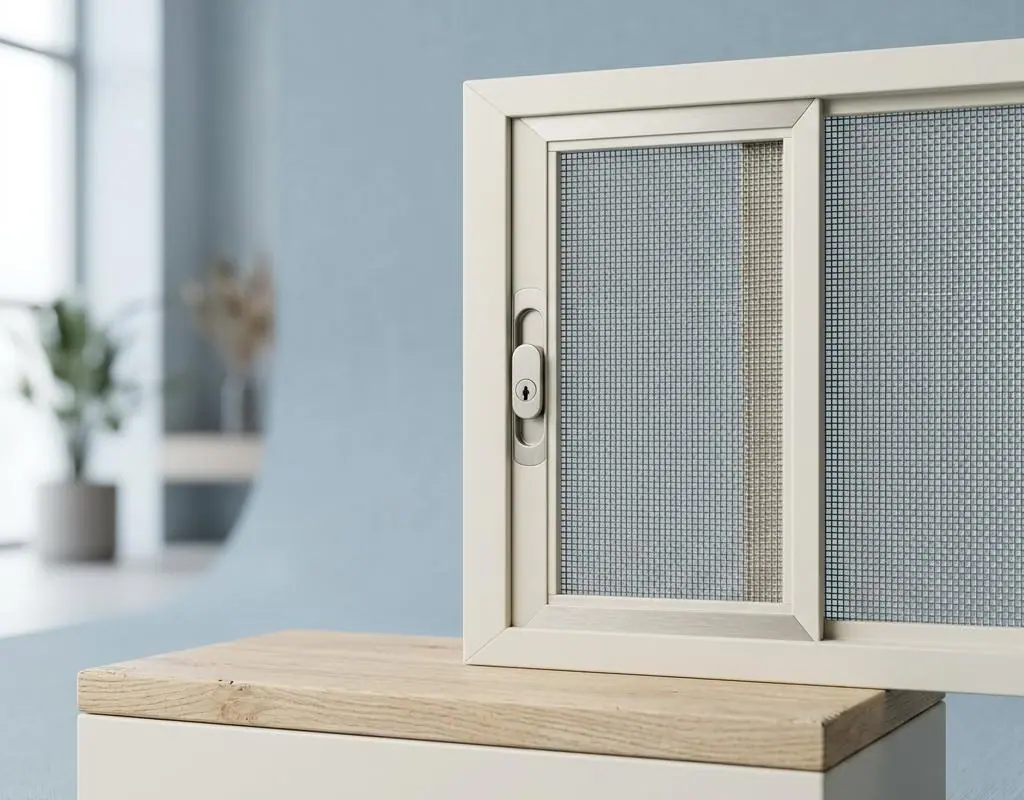
When choosing an insect screen, you should consider its impact on air circulation. It is recommended to choose an insect screen with strong breathability and a suitable mesh density to ensure it can effectively block mosquitoes and insects without impeding air flow. In addition, when installing, make sure the insect screen fits tightly against the window frame, avoiding gaps to further improve mosquito protection.

4. Other ways to keep indoor air circulating

In addition to installing insect screens, there are other ways to keep indoor air circulating. Opening windows regularly for ventilation and using devices such as fans or air conditioners can help improve indoor air quality. Combining these methods will help create a fresh and comfortable living environment.

Looking for professional team help

When installing an insect screen, seeking help from a professional team is a wise choice. Professional installation services can ensure the insect screen is installed correctly and avoid affecting air circulation due to improper installation. Professional teams usually have extensive experience and professional equipment, and can provide personalized advice according to your needs to ensure the best possible effect of the insect screen.

Mosquito nets play an important role in preventing mosquito intrusion, but their impact on indoor air circulation cannot be ignored either. Choosing a suitable mosquito net and ensuring it is installed correctly can effectively improve indoor air quality and enhance living comfort. We hope this article can help you better understand the impact of mosquito net installation on indoor air circulation, and make wise decisions in future choices.

Frequently asked by readers

FAQ

3 FAQs related to this article
Q1What is the difference between cat screens and insect screens?

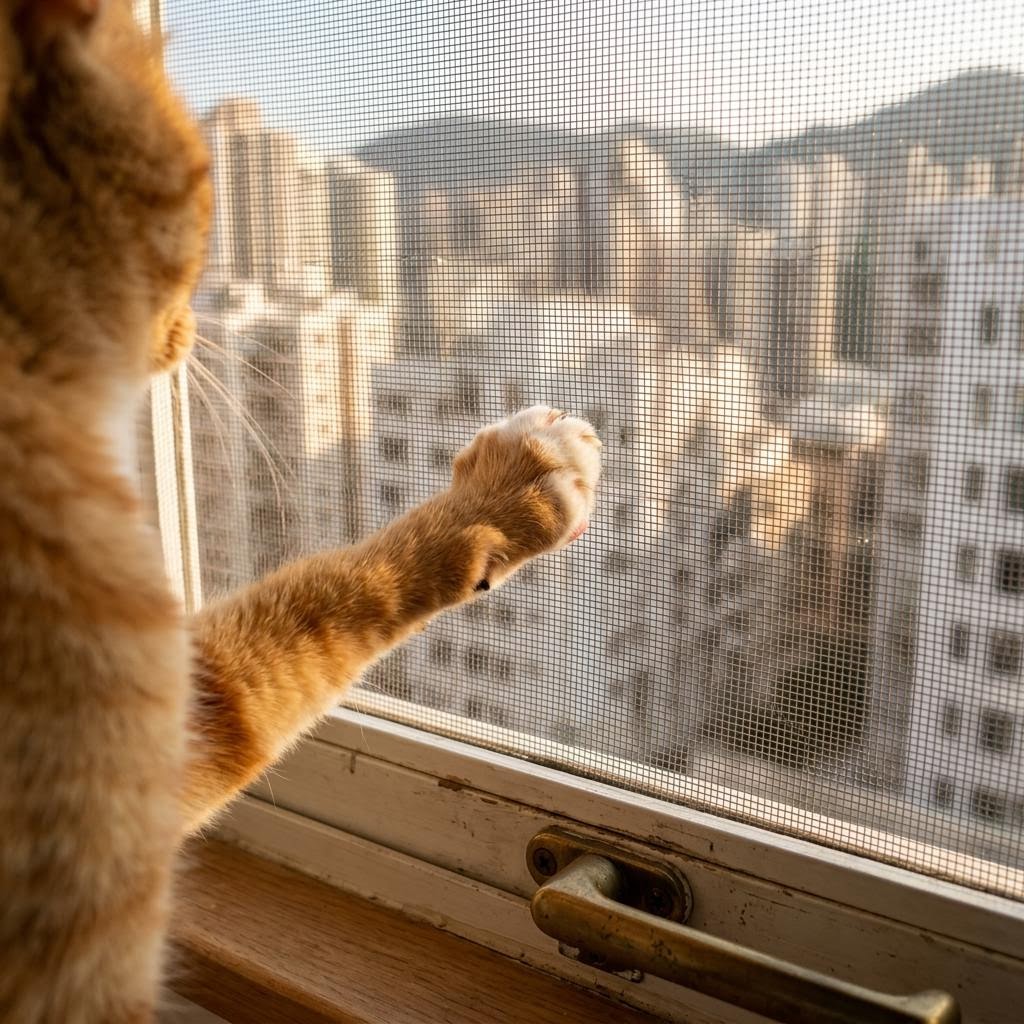
Mosquito nets are mainly used to prevent mosquitoes and insects. The mesh is relatively fine but is not necessarily claw-resistant, and it is not a pet barrier either; cat screens mainly use more claw-resistant materials or structures, and are used to reduce the chance of cats contacting the outside of the window. Most styles also have mosquito-prevention functions.

Q2Can a general insect screen be used as a cat screen?

Not recommended. Standard insect screens are designed to keep insects out, and cats can scratch through or push them open. If there are cats at home, please choose cat screens.

Q3How do you compare ordinary high-definition and Japan ultra-clear retractable insect screens?

HD insect screens are $800 per window and $1,300 per door; Japanese ultra-high-definition insect screens are $1,500 per window and $2,500 per door. They should be compared according to transparency, opening and closing, cleaning needs, size and fixing conditions; sizes beyond the included range require separate quotation. Old booking service records only prove insect-proof use, and cannot be used to claim 22-mesh, 48-mesh, scratch resistance or cat-safe level; households with cats must be separately assessed.

View all FAQs

Continue reading

Related guides

Handled by dedicated staff

Related services

View full price list

Professional assistance

Want to learn about Mosquito net installation?

Send us photos of the installation location so we can understand the style, measurement and quotation arrangements.

The button will only open WhatsApp and prefill a message; it will only be sent after you confirm it.