
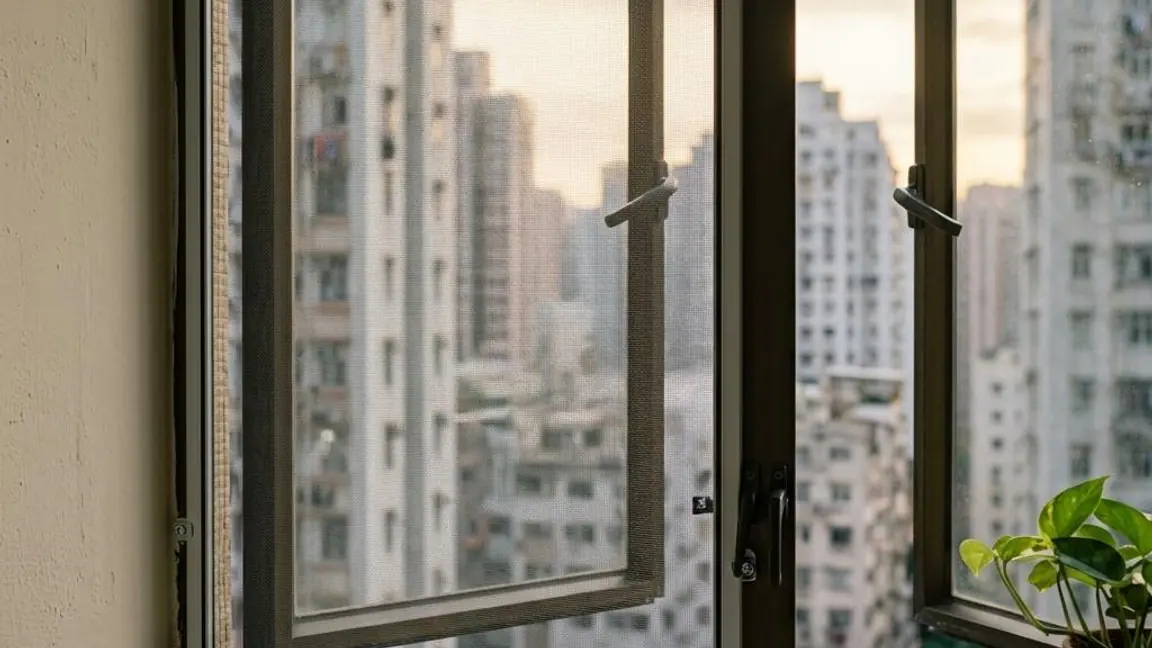
Back to the window screen encyclopediaCreate a worry-free summer for your home Essential knowledge for insect screen installation

Create a worry-free summer for your home Essential knowledge for insect screen installation

Table of contents

The hot summer means mosquitoes are rampant, causing skin discomfort and sometimes even bringing various diseases. In this regard, installing high-quality insect screens is undoubtedly the most effective defense. However, insect screen installation is not easy and requires mastering some key techniques. This article will introduce in detail the precautions and steps for installing insect screens, helping your home get through the summer worry-free.

Choosing the size of mosquito nets

Choosing the right size of insect screen is the key to a successful installation. The insect screen needs to fully cover the door and window, leaving no gaps, in order to block mosquitoes and insects from entering. Measure the exact dimensions of the door and window, and choose a slightly larger size to ensure a complete seal. Different insect screen materials, such as aluminum alloy, plastic, or stainless steel, will also affect the final size. It is recommended to measure carefully in advance to avoid buying a size that does not fit.

Installation tools and steps

When installing insect screens, you need to prepare the relevant tools, such as a ruler, pencil, scissors, glue gun and screwdriver. First, carefully measure the dimensions of the doors and windows with a ruler, and mark the insect screen. Then, use scissors to carefully cut along the marked line, ensuring the size fits exactly. Next, secure the insect screen to the door or window frame, using a glue gun or screws. Finally, make sure the insect screen is sealed all around with no gaps to prevent mosquitoes and insects from entering.

Choose high-quality insect screens

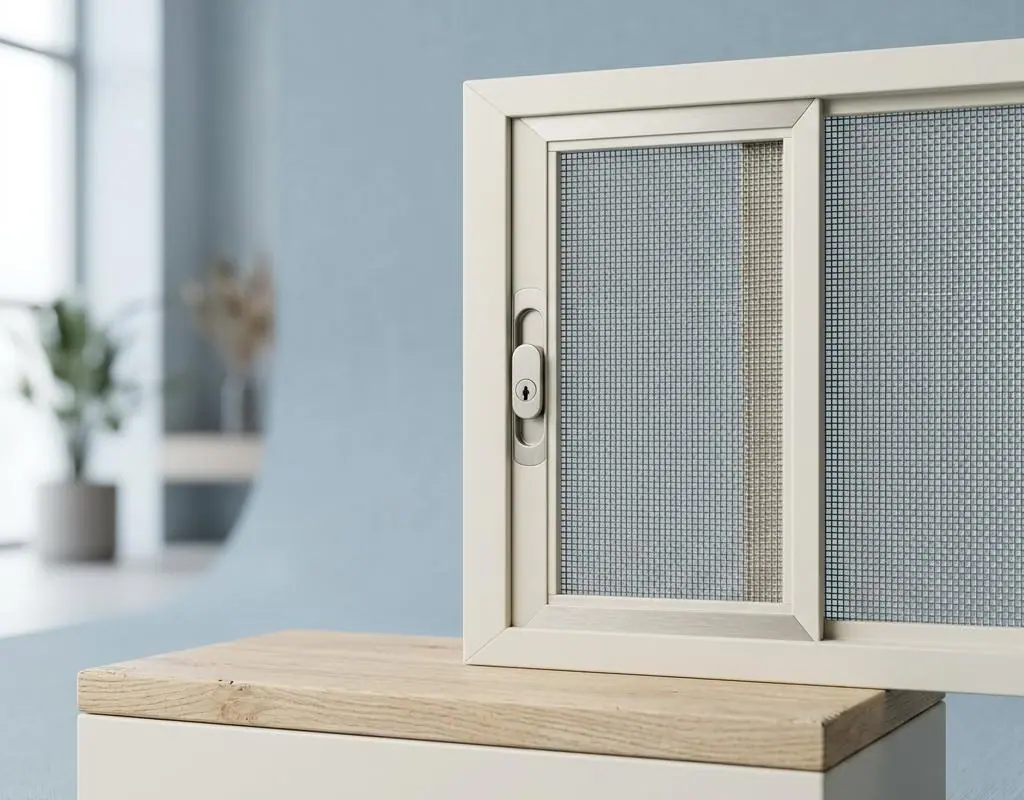
Insect screens made of different materials and designs also differ in performance and service life. Choosing a high-quality insect screen is very important; it not only blocks insects better, but also lasts longer. Generally speaking, aluminium alloy and stainless steel materials are more durable and can be used for a long time. In addition, the finer the mesh, the more effectively it can block small insects. It is recommended to choose an insect screen with a mesh opening smaller than 1.2 mm, which can provide the best protection.
Maintenance and care are crucial

Even if a high-quality insect screen is installed, regular maintenance is still needed. Insect screens are prone to dust and dirt, affecting light transmission and insect-proof performance. It is recommended to gently clean the surface of the insect screen with a soft cloth or brush from time to time to keep it clean. At the same time, check whether the insect screen is damaged and repair or replace it promptly. Proper daily maintenance is necessary to ensure the insect screen continues to provide the best protection over the long term.

Looking for professional team help

For some more technically demanding or custom insect screen installation jobs, it is recommended to seek help from a professional team. They have extensive installation experience and can provide tailor-made solutions. Compared with doing it yourself, a professional team can complete the work more quickly and efficiently, and ensure construction quality. If your home or office space is relatively special, or if you need custom-sized insect screens, a professional team is undoubtedly the best choice.

Whether you install them yourself or seek professional help, mastering the correct method of insect screen installation is very important. Only by choosing insect screens of the right size and high-quality materials, and doing a good job of installation and maintenance, can you truly create a worry-free summer environment for your home. We hope this article has been helpful to you, and wish you a cool and comfortable summer!

Frequently asked by readers

FAQ

3 FAQs related to this article
Q1What is the difference between cat screens and insect screens?

Mosquito nets are mainly used to prevent mosquitoes and insects. The mesh is relatively fine but is not necessarily claw-resistant, and it is not a pet barrier either; cat screens mainly use more claw-resistant materials or structures, and are used to reduce the chance of cats contacting the outside of the window. Most styles also have mosquito-prevention functions.

Q2Can a general insect screen be used as a cat screen?

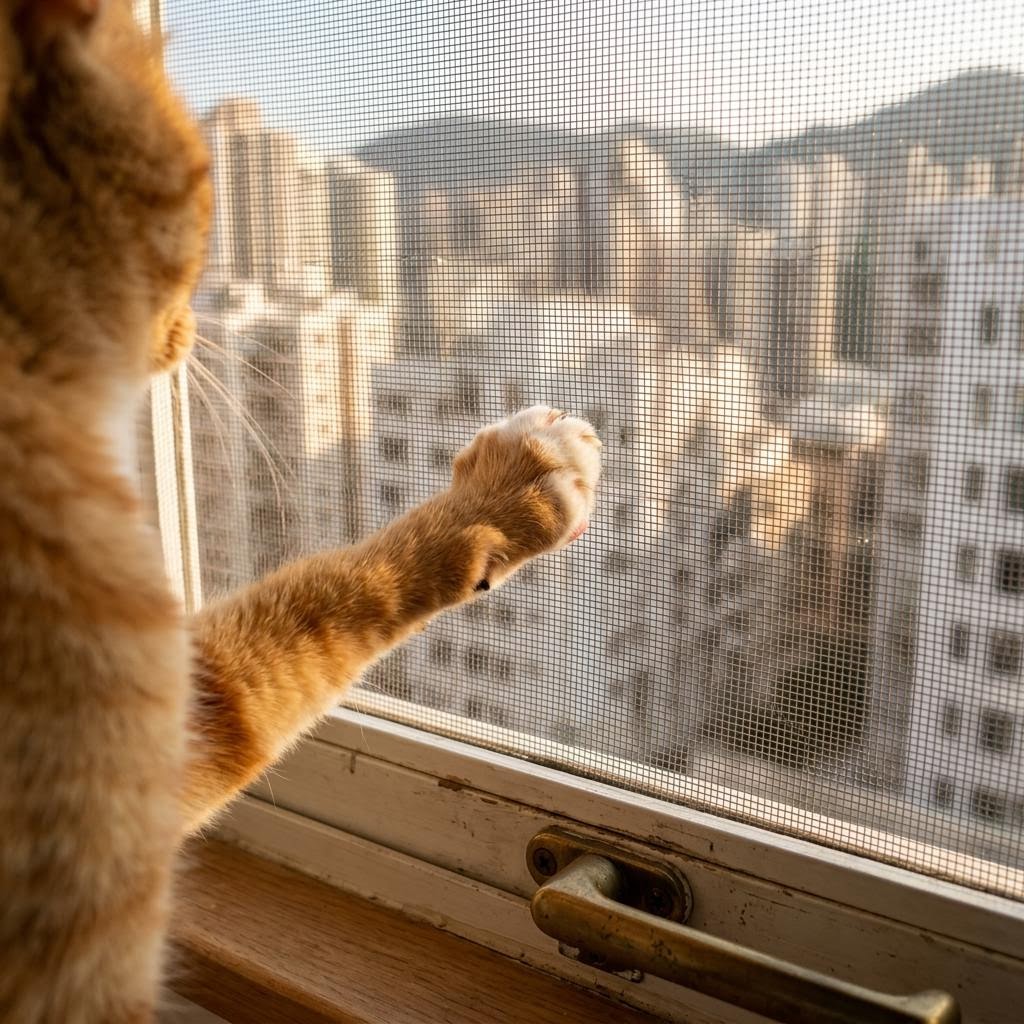
Not recommended. Standard insect screens are designed to keep insects out, and cats can scratch through or push them open. If there are cats at home, please choose cat screens.

Q3How do you compare ordinary high-definition and Japan ultra-clear retractable insect screens?

HD insect screens are $800 per window and $1,300 per door; Japanese ultra-high-definition insect screens are $1,500 per window and $2,500 per door. They should be compared according to transparency, opening and closing, cleaning needs, size and fixing conditions; sizes beyond the included range require separate quotation. Old booking service records only prove insect-proof use, and cannot be used to claim 22-mesh, 48-mesh, scratch resistance or cat-safe level; households with cats must be separately assessed.

View all FAQs

Continue reading

Related guides

Handled by dedicated staff

Related services

View full price list

Professional assistance

Want to learn about Mosquito net installation?

Send us photos of the installation location so we can understand the style, measurement and quotation arrangements.

The button will only open WhatsApp and prefill a message; it will only be sent after you confirm it.