
Back to the window screen encyclopediaIn-depth discussion of mosquito screen dimensions

In-depth discussion of mosquito screen dimensions

Table of contents

As temperatures rise, mosquitoes and other annoying insects also become active. To avoid insect bites, many people choose to install insect screens. Insect screens are a very effective protective method, but choosing the right size can be troublesome. In this article, we will take an in-depth look at how to choose and install the right insect screen size for you.

Types of mosquito screen sizes

Mosquito screens come in various sizes to suit spaces of different sizes and shapes. Below are four of the most common mosquito screen size types:

Window insect screen:The size of window insect screens is usually customised according to the size of the window. Common sizes include 24x24 inches, 36x36 inches, and 48x48 inches, but they can also be customised according to the actual size of the window.

Door insect screen:Door insect screens are usually larger in size to suit the size of the door, with common sizes such as 36x80 inches and 48x80 inches, and can also be custom-made according to the actual size of the door.

Bed mosquito screen:The size of the bed mosquito screen should be chosen according to the size of the bed. A single bed often uses a size of 90x190cm, while a double bed may require 150x200cm or a larger size.

Outdoor insect screens:The size of outdoor insect screens is customised according to the needs of the usage environment, such as camping tents or outdoor dining areas, and the size is usually larger than indoor insect screens.

How to choose the size of an insect screen

When choosing the size of an insect screen, you need to consider the following important factors:

Space size:First, you need to determine the size of the space to be covered, including measuring the length, width, and height of the space. These dimensions will determine the size of the insect screen you need.
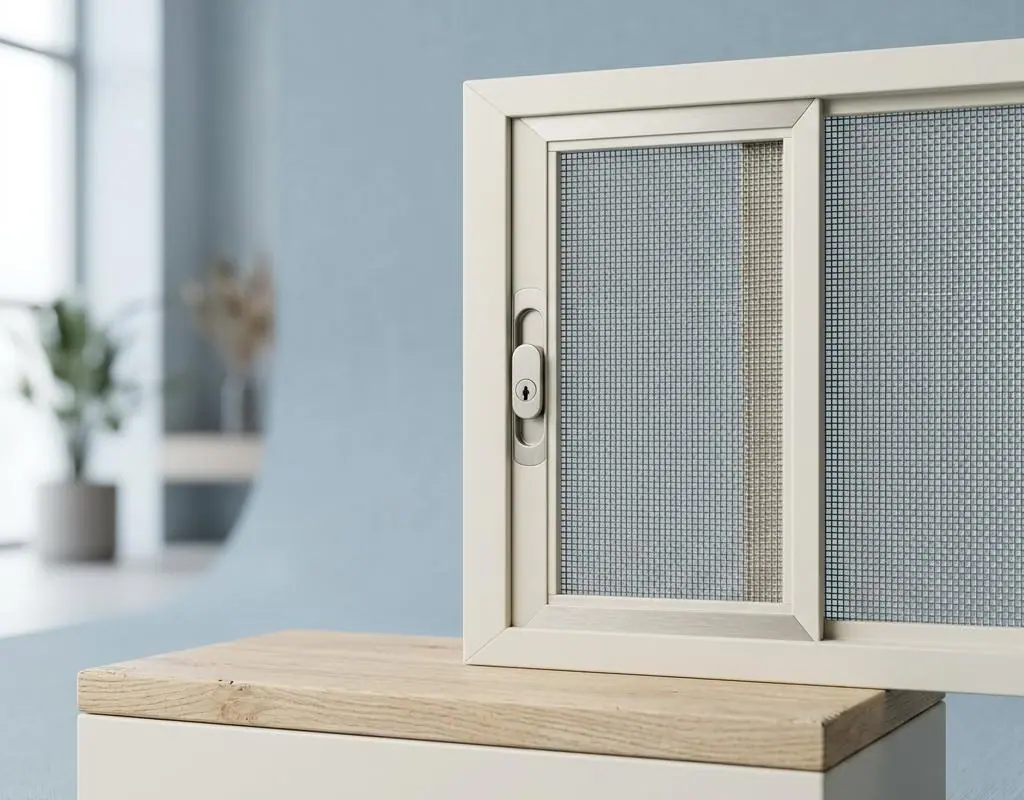
Purpose of use:How you intend to use the insect screen will also affect the size you choose. For example, if you only plan to cover a window or door, you can choose a suitable size; if you plan to cover a bed or camping tent, you may need a larger size.

Installation method:The installation method of mosquito screens will also affect the size you choose. Some mosquito screens are fixed with magnets or adhesive, while others need screws or nails for securing. These installation methods may require mosquito screens of different sizes or shapes.

How to install an insect screen

Below is a basic installation procedure for insect screens, which can be adjusted according to your specific situation:

Measure the size:First, measure the dimensions of the area you need to cover, including the length, width, and height, and note down these measurements so you can buy a suitable insect screen.

Choose an insect screen:According to your size requirements, choose a suitable insect screen. Please make sure the insect screen you choose is slightly larger than your actual size, so that it can fully cover your space.

Prepare tools:Prepare all the tools you need, including scissors, a ruler, a screwdriver (if needed), etc.

Install an insect screen:According to the insect screen installation guide, start the installation. You may need to secure the insect screen to the window frame or door frame, or hang it on the top of a bed or tent.

Check installation:Finally, check your installation work to make sure the insect screen is firmly fixed in place and fully covers your space.

It can be seen from this that choosing and installing insect screens may take some time and patience, but it will provide you with a comfortable insect-free space.

Frequently asked by readers

FAQ

3 FAQs related to this article
Q1What is the difference between cat screens and insect screens?

Mosquito nets are mainly used to prevent mosquitoes and insects. The mesh is relatively fine but is not necessarily claw-resistant, and it is not a pet barrier either; cat screens mainly use more claw-resistant materials or structures, and are used to reduce the chance of cats contacting the outside of the window. Most styles also have mosquito-prevention functions.

Q2Can a general insect screen be used as a cat screen?

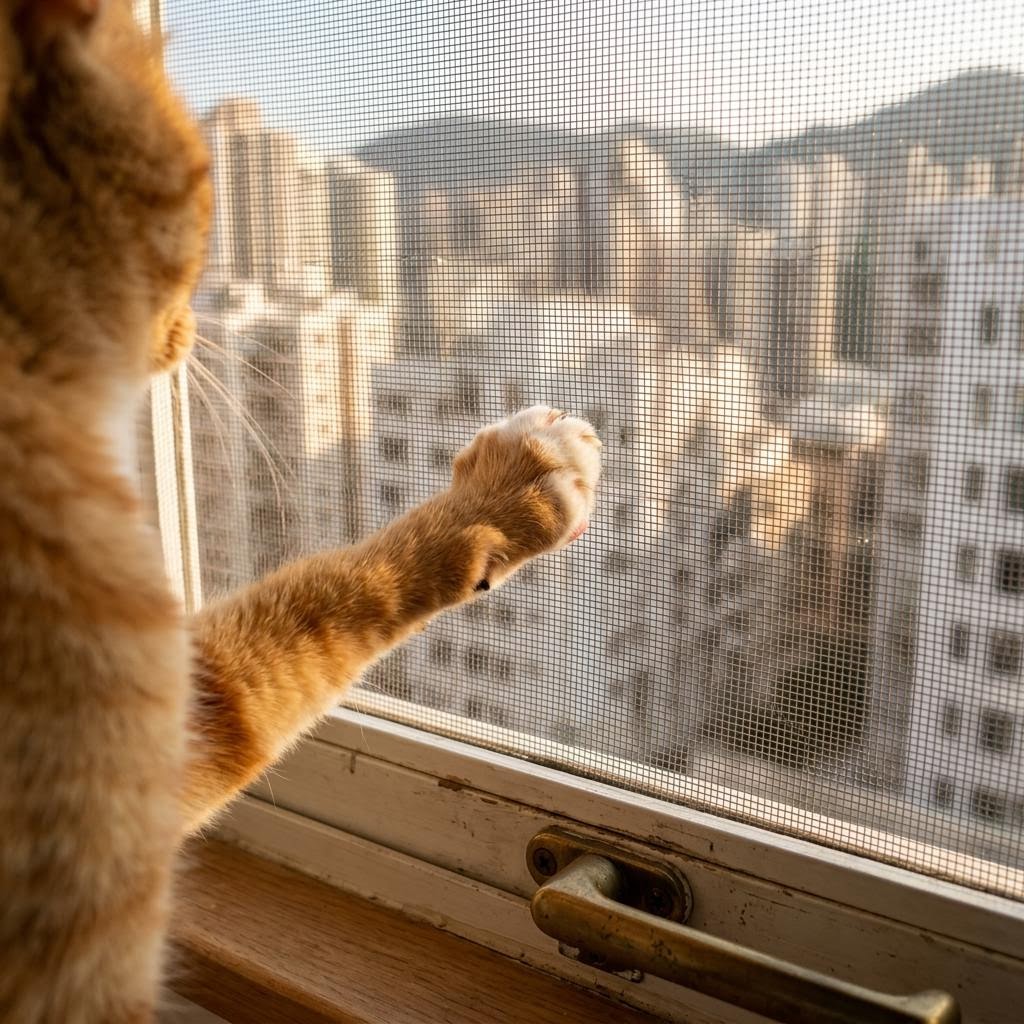
Not recommended. Standard insect screens are designed to keep insects out, and cats can scratch through or push them open. If there are cats at home, please choose cat screens.

Q3How do you compare ordinary high-definition and Japan ultra-clear retractable insect screens?

HD insect screens are $800 per window and $1,300 per door; Japanese ultra-high-definition insect screens are $1,500 per window and $2,500 per door. They should be compared according to transparency, opening and closing, cleaning needs, size and fixing conditions; sizes beyond the included range require separate quotation. Old booking service records only prove insect-proof use, and cannot be used to claim 22-mesh, 48-mesh, scratch resistance or cat-safe level; households with cats must be separately assessed.

View all FAQs

Continue reading

Related guides

Handled by dedicated staff

Related services

View full price list

Professional assistance

Want to learn about Mosquito net installation?

Send us photos of the installation location so we can understand the style, measurement and quotation arrangements.

The button will only open WhatsApp and prefill a message; it will only be sent after you confirm it.