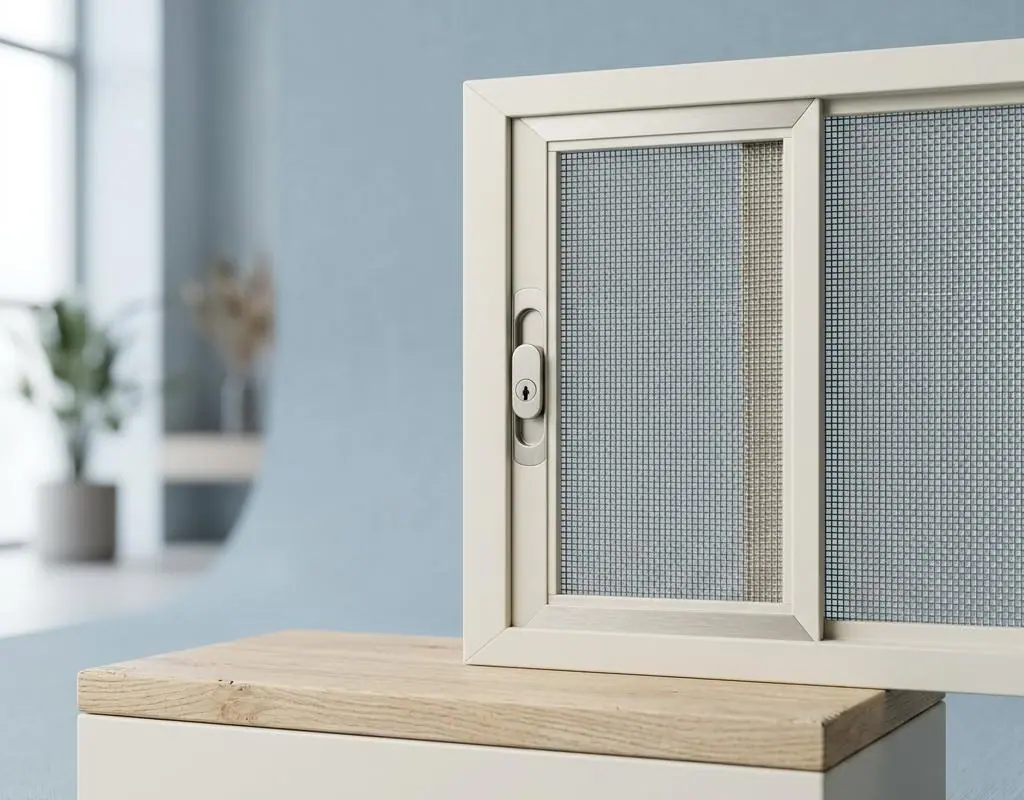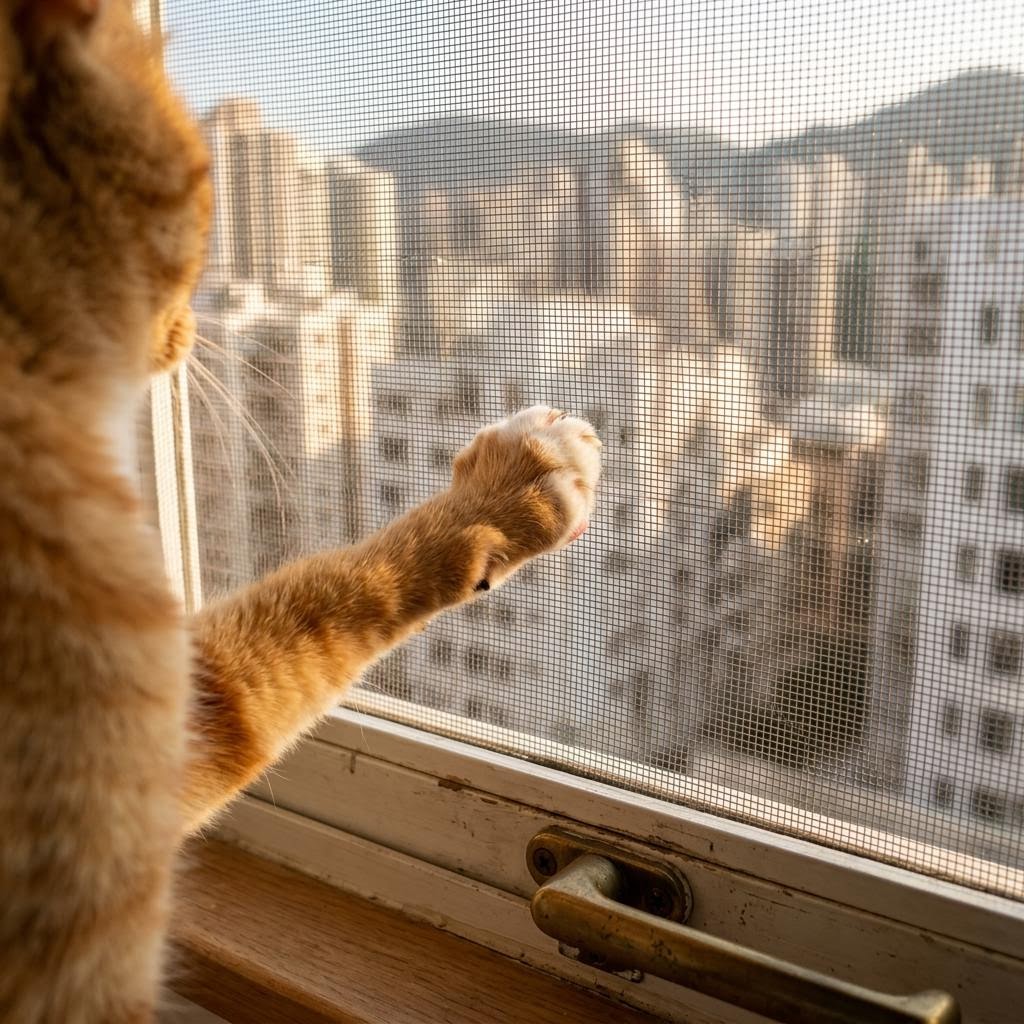
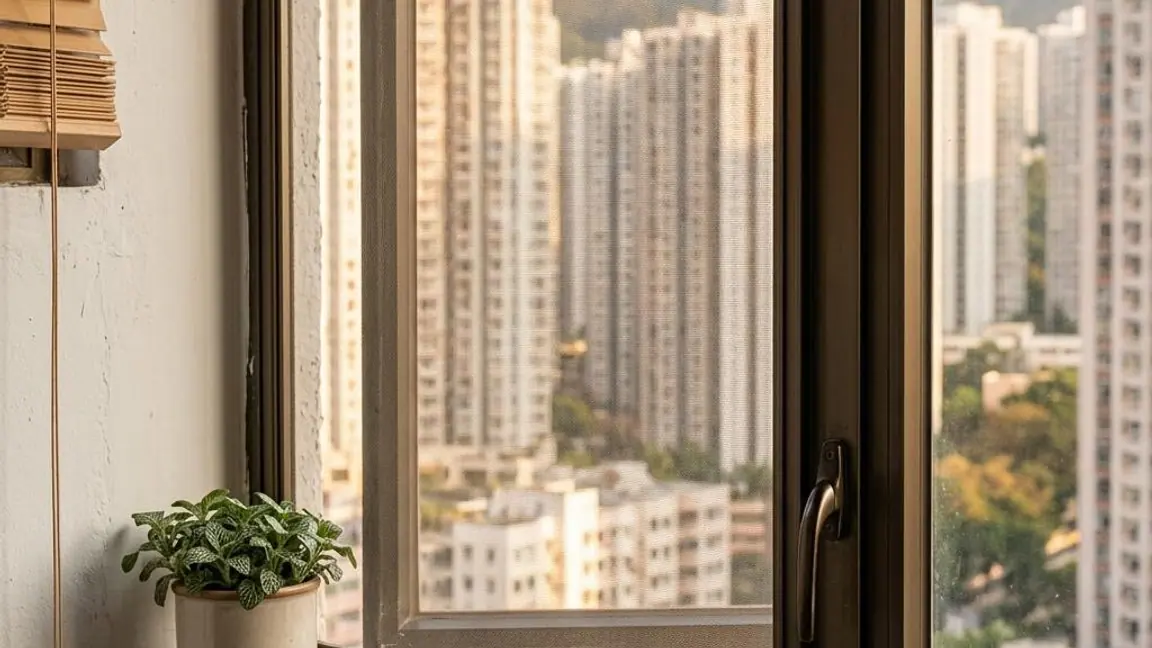
With the arrival of summer, mosquito and insect breeding has become a problem for many families. In order to effectively prevent mosquitoes and insects from entering indoors, using insect screens is a common solution. However, traditional insect screens often affect the view and feel inconvenient. The emergence of invisible insect screens perfectly solves this problem, providing mosquito protection without affecting the visual beauty of the indoor and outdoor space. This article will introduce how to choose a suitable invisible insect screen to maintain a good view.
1. Understand the types of invisible insect screens
Invisible insect screens mainly come in several different types, including:
1. Fibre invisible insect screen: This type of insect screen is usually made of fine polyester fibre, with high transparency and does not affect the view. It is suitable for use on most windows.
2. Aluminum-frame invisible insect screen: This insect screen is made of aluminum alloy and is more durable. It is usually fixed to the window frame and can provide good protection while maintaining the view.
3. Roller-style invisible insect screen: This insect screen can be opened and closed as needed; pull it down when in use, and retract it when not needed, keeping the view clear.
Understand different types of invisible insect screens, and choose the most suitable one according to your own needs.
2. Consider the material of the invisible insect screen
When choosing a hidden insect screen, the material is a very important consideration. Common materials include the following:
1. Polyester fibre: This material is lightweight and has good light transmission, making it suitable for home use. It is not easily deformed and is wear-resistant, allowing long-term use.
2. Stainless steel mesh: Stainless steel mesh has high strength and strong durability, making it suitable for long-term use. It can resist wind and sun, but it is relatively heavy, so stability should be noted during installation.
3. Nylon mesh: Nylon mesh is lightweight and highly translucent, but has poorer abrasion resistance, making it suitable for short-term use or places that need to be moved frequently.
Choosing a suitable material according to the characteristics of the living environment and usage needs is the key to ensuring the effectiveness of invisible insect screens.