
Back to the window screen encyclopediaFive major benefits of using insect screens in winter

Five major benefits of using insect screens in winter

Table of contents

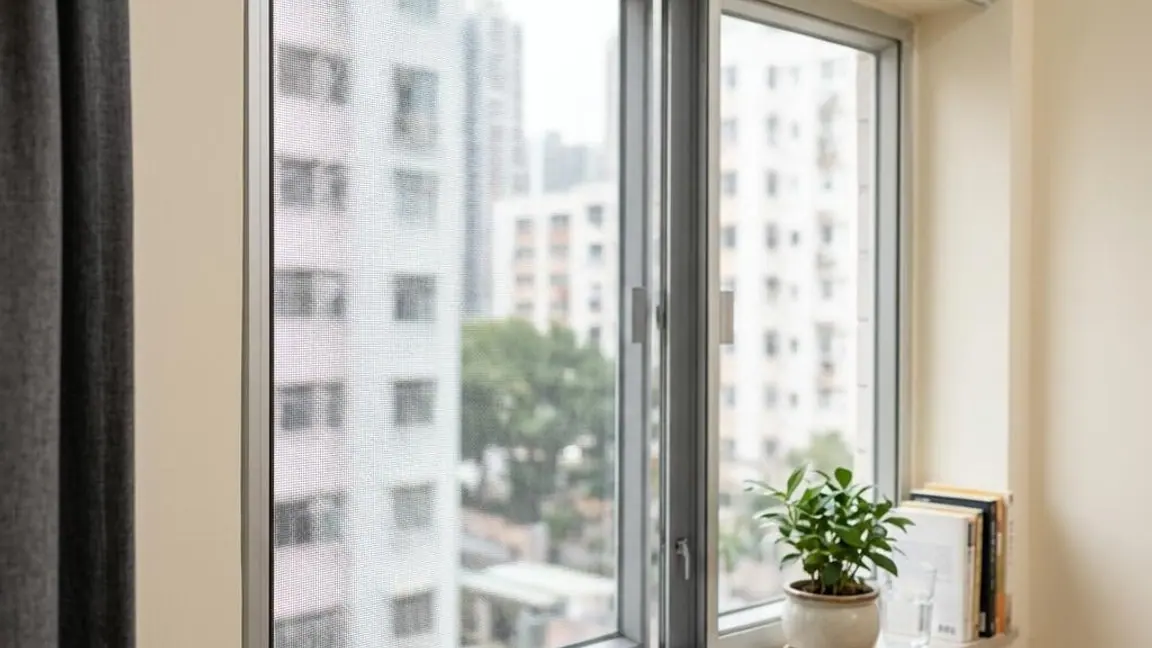
When winter comes, many households may put away their insect screens, believing that cold weather will naturally drive away insects; however, this is a common misconception. Even in winter, insect screens are still an important part of home safety. This article will explore the effectiveness of insect screens in winter and provide a buying guide to help you make an informed choice.

The effectiveness of winter insect screens

Continuous mosquito protection effect

Mosquitoes and other insects may survive in warm indoor environments, or be active in mild climates. Winter insect screens can effectively block these small insects and protect family members from their disturbance.

Air circulation

While keeping the indoor space warm, we still need fresh air. An insect screen can prevent cold drafts from entering while allowing air circulation, ensuring indoor air quality.

Dust blocking

Winter insect screens can reduce dust and other fine particulate matter from entering the room, which is especially important for people with respiratory sensitivities.

Privacy protection

Insect screens provide a degree of screening, making indoor activities less visible to people outside and helping protect your privacy.

Aesthetics and practicality

Modern insect screens come in many designs and can be part of interior decoration while also providing practical protective functions.

Guide to Choosing Winter Insect Screens

To choose a mosquito screen suitable for winter use, you need to consider the following factors:

Material

Choose high-quality fibre materials, such as polyester or nylon. These materials are not only durable, but also provide good insulation.

mesh density

Choose a finer mesh, as it can better block mosquitoes and other insects while maintaining good ventilation.
Frame

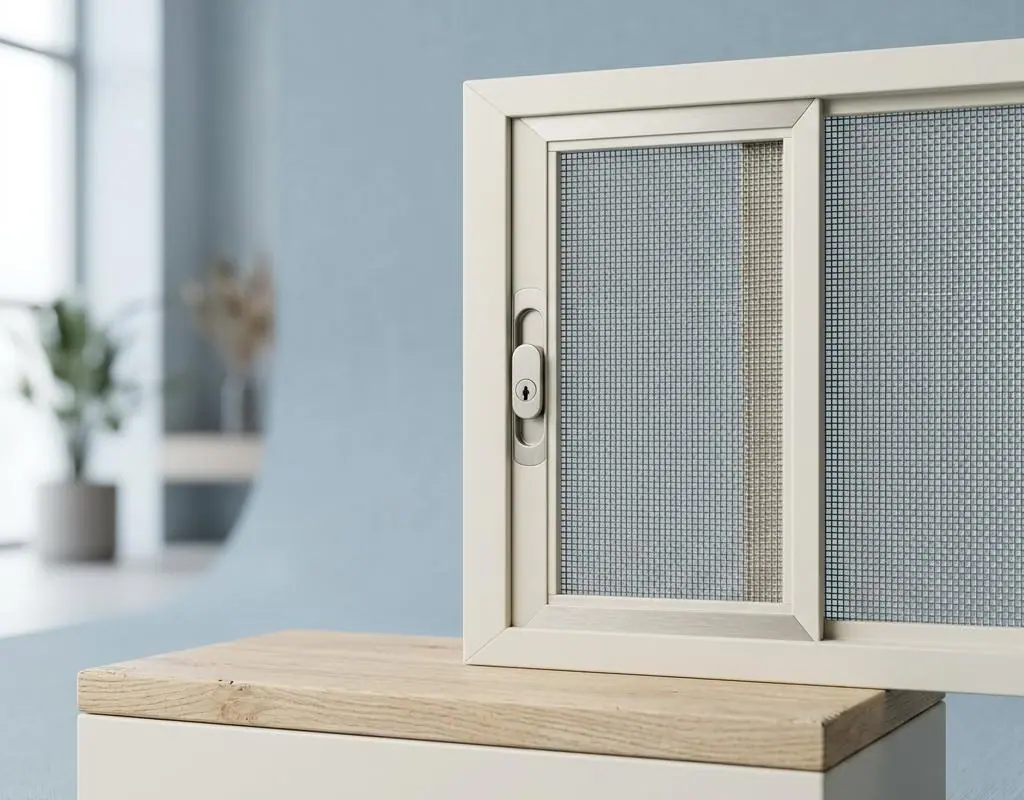
A sturdy frame material, such as aluminium alloy or steel-plastic, can resist wind and extend the service life of the mosquito screen.

Size and shape

Measure the size of the window or door to ensure the insect screen fits perfectly. In addition, consider the shape of the insect screen to suit doors and windows with different opening and closing methods.

Easy to install and maintain

Choose insect screens that are easy to install and remove for washing. This way, they can be easily taken down at the end of winter or when cleaning is needed.

Cost performance

A high price does not necessarily mean high quality. Compare different brands and types of insect screens to find the one that best suits your budget and needs.

Customer reviews

Reading other consumers' reviews helps understand the product's actual performance and possible issues.

Winter does not mean you can ignore the mosquito problem; suitable insect screens can provide year-round protection. Through the above guide, you can choose insect screens that suit your family’s needs and enjoy a safe and comfortable winter.

FAQ

Q: Do you really need insect screens in winter?

A: Yes, especially in mild climates or where indoor heating is used, mosquitoes can survive in winter.

Q: How do you clean insect screens?

A: Most insect screens can be washed by hand with water and a mild detergent, then left to air-dry in a shady place.

Q: Will insect screens block sunlight?

A: Insect screens may slightly reduce the amount of sunlight entering indoors, but this usually does not affect the brightness of the indoor lighting.

Frequently asked by readers

FAQ

3 FAQs related to this article
Q1What is the difference between cat screens and insect screens?

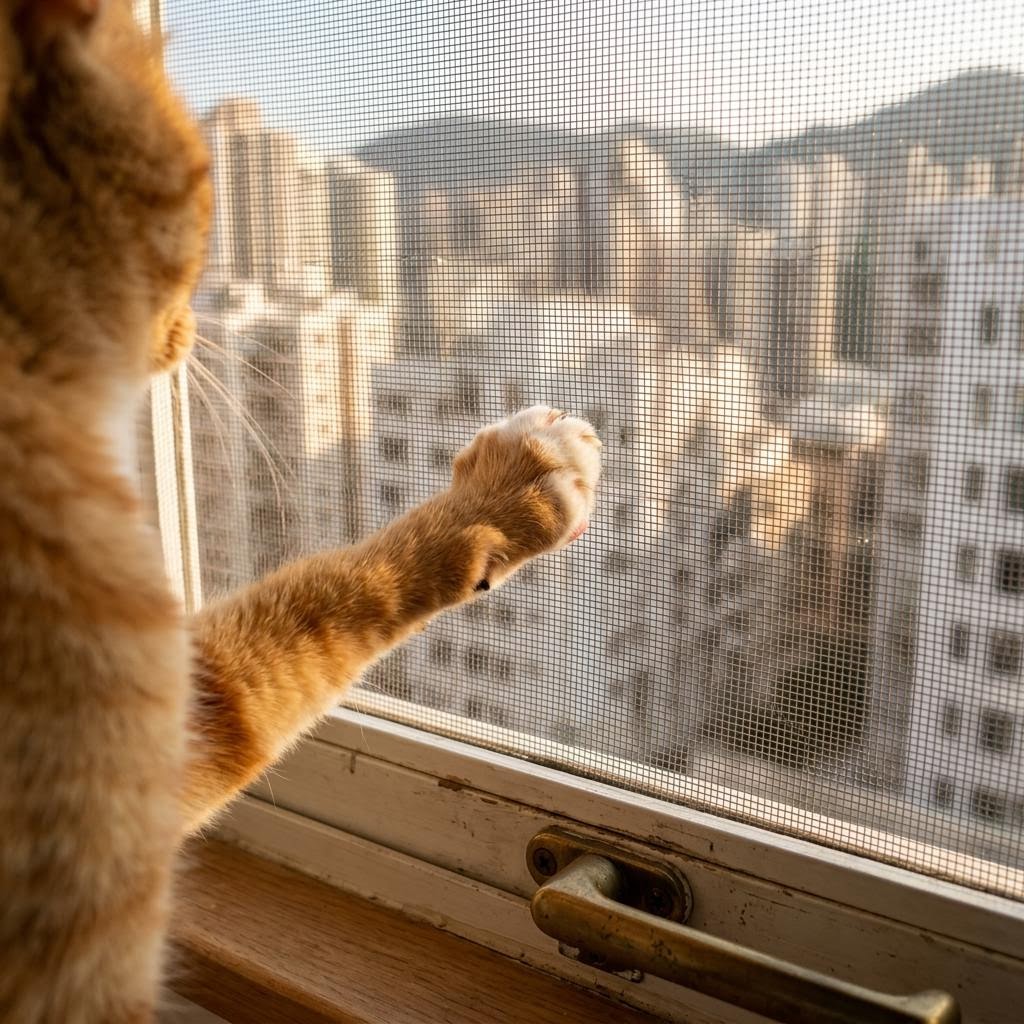
Mosquito nets are mainly used to prevent mosquitoes and insects. The mesh is relatively fine but is not necessarily claw-resistant, and it is not a pet barrier either; cat screens mainly use more claw-resistant materials or structures, and are used to reduce the chance of cats contacting the outside of the window. Most styles also have mosquito-prevention functions.

Q2Can a general insect screen be used as a cat screen?

Not recommended. Standard insect screens are designed to keep insects out, and cats can scratch through or push them open. If there are cats at home, please choose cat screens.

Q3How do you compare ordinary high-definition and Japan ultra-clear retractable insect screens?

HD insect screens are $800 per window and $1,300 per door; Japanese ultra-high-definition insect screens are $1,500 per window and $2,500 per door. They should be compared according to transparency, opening and closing, cleaning needs, size and fixing conditions; sizes beyond the included range require separate quotation. Old booking service records only prove insect-proof use, and cannot be used to claim 22-mesh, 48-mesh, scratch resistance or cat-safe level; households with cats must be separately assessed.

View all FAQs

Continue reading

Related guides

Handled by dedicated staff

Related services

View full price list

Professional assistance

Want to learn about Mosquito net installation?

Send us photos of the installation location so we can understand the style, measurement and quotation arrangements.

The button will only open WhatsApp and prefill a message; it will only be sent after you confirm it.