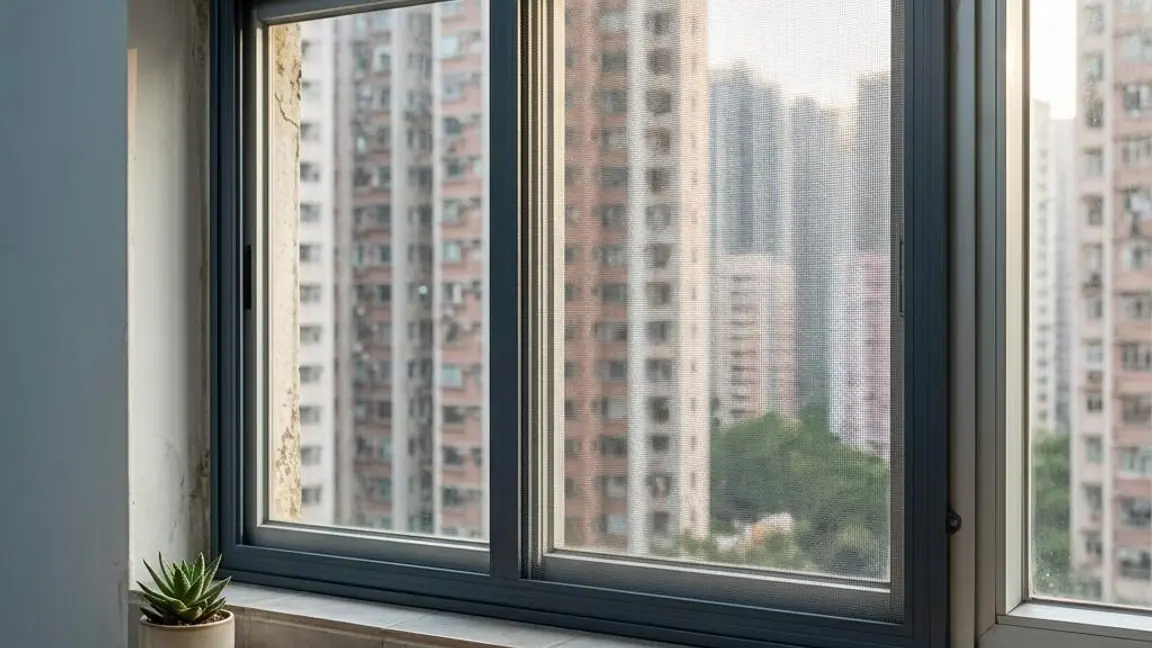
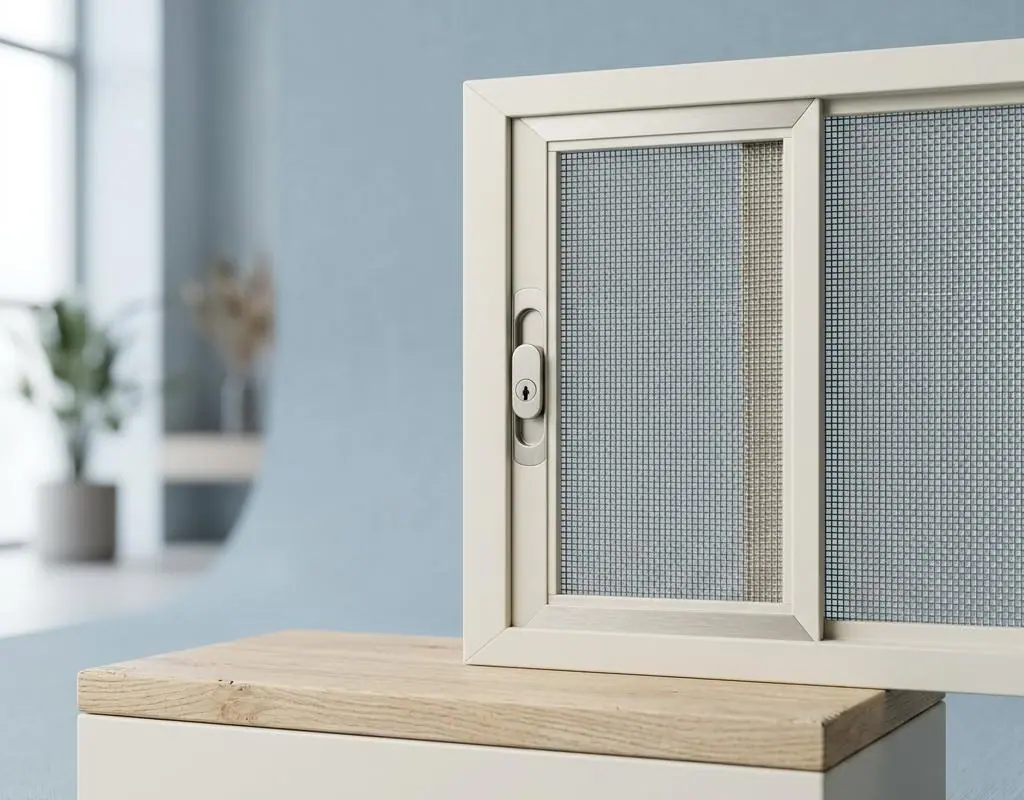
In the hot summer, mosquito bites not only easily cause skin allergies, but may also spread diseases. How to effectively prevent mosquito intrusion has become a key concern for every family in summer. When choosing mosquito-prevention methods, which is better: fully enclosed insect screens for the whole home, or partial shielding? Let's explore together which solution is more suitable for your home.
Advantages of whole-home enclosed insect screens
As the name suggests, whole-home enclosed insect screens are installed on the doors and windows of the entire house, forming a sealed insect-proof space. This solution can completely block insects from entering indoors, creating a worry-free, mosquito-free living environment for the family.
1. Comprehensive protection
Whole-home enclosed insect screens can cover all doors and windows of the residence, including the living room, bedrooms, kitchen and other spaces, ensuring that insects cannot invade any corner of the home and providing all-round protection. No matter which area of the house you are in, you can stay away from insect disturbance.
2. Long-term effectiveness
Compared with partial shielding, a whole-house enclosed insect screen can continuously provide a blocking effect. As long as it is regularly maintained, the insect screen can perform its proper function for a long time, allowing you to enjoy a worry-free, mosquito-free home life at all times.
3. Beautiful and coordinated
In recent years, the materials and designs of insect screens have increasingly emphasised aesthetics. Insect screens installed uniformly throughout the home can create an overall harmonious visual effect without disrupting the interior decor style.
Advantages of local screening
Compared with a whole-house enclosed solution, a partial shielding mosquito prevention strategy also has its unique advantages.
1. Strong flexibility
Local screening only requires insect screens to be installed on part of the doors, windows or space, and can be flexibly adjusted according to household needs. For example, installing insect screens only in key areas such as bedrooms and balconies can both reduce the overall investment and solve the problem in a targeted way.
2. Easy to install
The installation of insect screens for local screening is relatively simple and can be done by yourself, without the involvement of professionals. This is undoubtedly a major advantage for DIY enthusiasts who want to do it themselves.
3. Economical and affordable
A targeted local shading solution usually requires lower material and labor costs than a whole-home enclosed solution. For families with a limited budget, this choice is more economical.
How to choose the most suitable mosquito prevention method?
When deciding how to choose between a fully enclosed whole-house setup and partial shading, you need to comprehensively consider your home’s actual needs and conditions.
Looking for professional team help
No matter which mosquito-prevention solution you prefer, it is recommended to seek assistance from a professional team. They can provide the most suitable mosquito-prevention design solution based on factors such as the structure of the home and the needs of the household. Professional guidance not only helps you choose the best solution, but also ensures the rationality and aesthetic quality of the insect screen installation.
In the hot summer, staying away from mosquito bites is undoubtedly everyone’s wish. Full-house enclosed insect screens and partial shielding each have their own advantages and disadvantages, and you need to weigh them according to your own needs. No matter which mosquito prevention method you choose, please be sure to seek help from a professional team to ensure that the final result satisfies you. Let us share a worry-free, mosquito-free comfortable home together!