
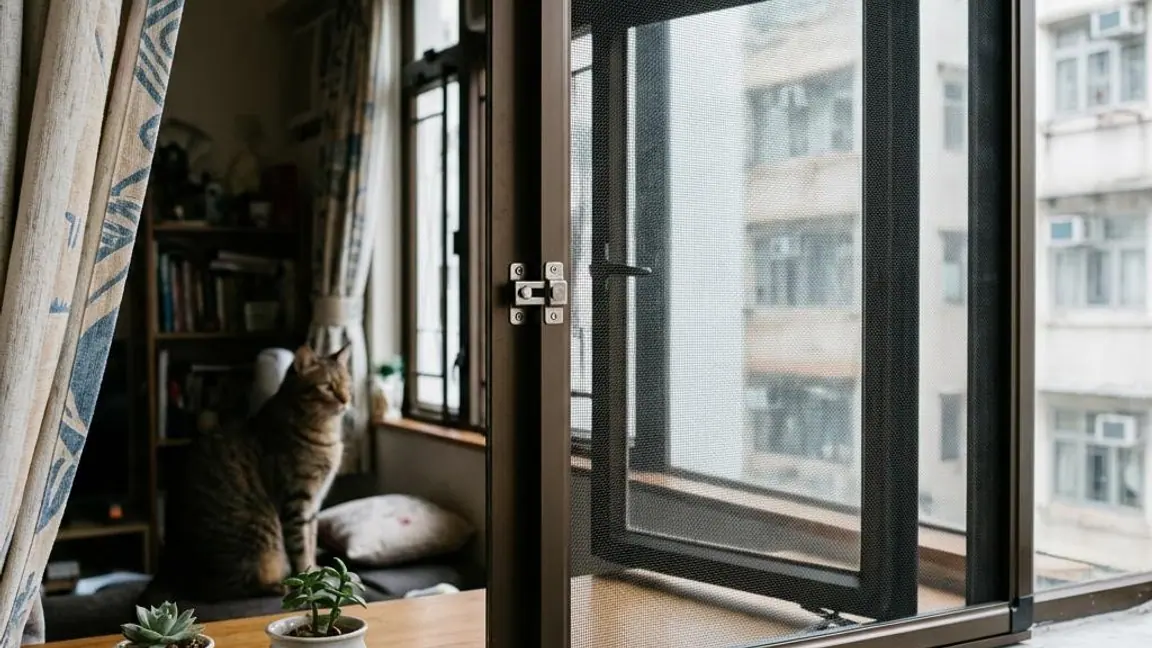
Back to the window screen encyclopediaMosquito-proof and dustproof Multifunctional screen installation full-process illustrated guide

Mosquito-proof and dustproof Multifunctional screen installation full-process illustrated guide

Table of contents

In the hot and stuffy summer climate, mosquito prevention measures at home are indispensable. In addition to common mosquito nets, electric mosquito repellents and other mosquito-prevention devices, installing quality screen windows is also a very good choice. Screen windows not only block mosquito intrusion, but also effectively prevent dust and impurities from entering the interior, creating a fresher and more comfortable living environment for the family. So how do you correctly install this multifunctional screen window? Let's take a look at the whole process with illustrations!

Choose a suitable window screen

The first step in installing insect screens is to choose the right product. Common insect screen materials on the market include aluminium alloy, stainless steel, wood, and other options. Among them, aluminium alloy insect screens are popular for their lightness and durability. In addition, you should choose a suitable size according to the dimensions of your doors and windows. Remember not to buy casually, otherwise installation will be very troublesome.

Measure door and window dimensions

During the installation of insect screens, precise measurements are very important. We need to carefully measure the length, width and depth of the doors and windows, and also pay attention to the thickness of the door and window frames. Some doors and windows may have slight deviations, so extra care should be taken when measuring, striving for the greatest possible accuracy.

Prepare installation tools

To ensure the installation process goes smoothly, we need to prepare the required tools in advance. These usually include a tape measure, pencil, drilling machine, screwdriver, electric drill, glue gun, etc. Having all the tools ready can ensure the installation process is efficient and accurate.

Start installation

1. First place the screen frame on the door or window and confirm whether the size fits. If there are areas that need adjustment, you can use an electric drill to drill holes in the frame.

2. Fix the frame onto the door or window, using screws or special fixing clips. When fixing, pay attention to keeping it level and vertical.

3. Next, install the mesh for the insect screen. First, lay the mesh flat, then use a glue gun to stick the mesh around the frame. Note that the tension of the mesh should be moderate; it should not be too tight or too loose.

4. Finally, sealing adhesive can be applied around the frame to enhance the fixing effect.

Adjust the screen

After the screen has been installed, fine adjustments are still needed. First, check whether the doors and windows open and close smoothly; if there is any sticking, it must be resolved immediately. Second, pay attention to the sealing of the screen to ensure there are no gaps when the doors and windows are closed. If necessary, adjust the frame position appropriately or apply adhesive again.

Looking for professional team help

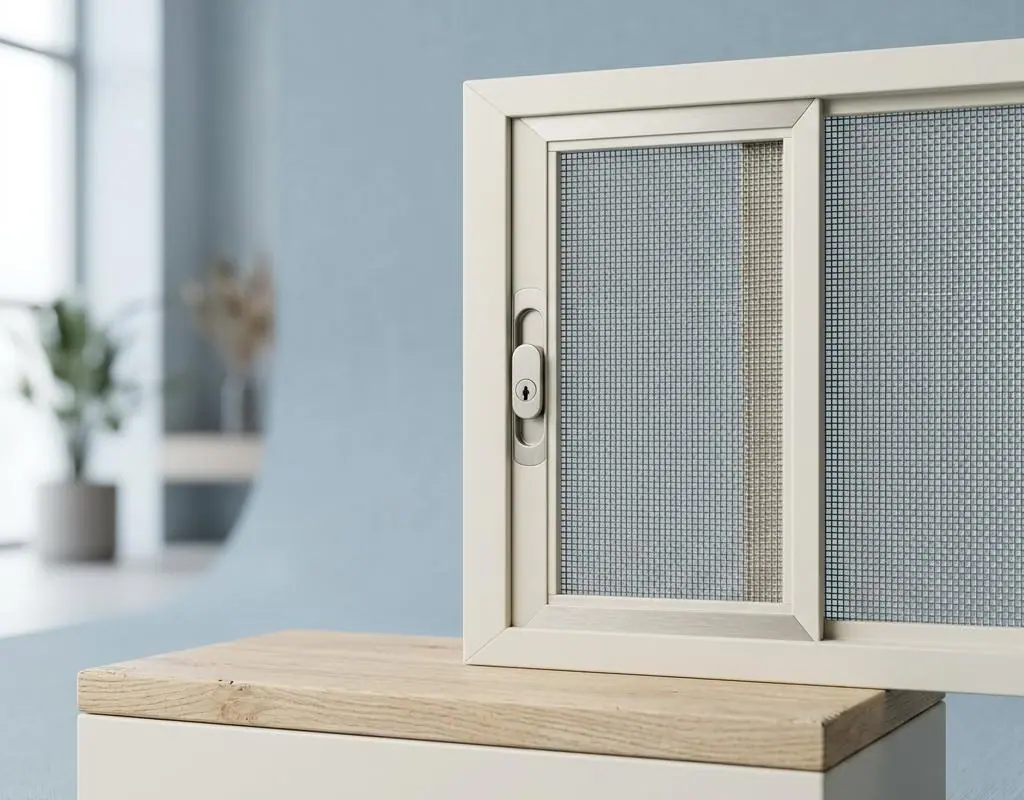
Although we have already introduced the entire process of installing insect screens in detail, actually doing it still requires certain skills and experience. If you are not confident in your own practical ability, or are worried that improper installation will affect the use result, you may wish to seek help from a professional installation team. They not only have rich installation experience, but can also provide tailor-made advice for you, ensuring the insect screens are installed securely and attractively, adding a fresh and comfortable touch to your home life.

Installing high-quality window screens can not only block mosquitoes and insects from entering, but also effectively block dust and impurities. Through the detailed introduction in this article, you have already mastered the entire process of window screen installation. As long as you follow the steps one by one, I believe you will be able to complete this task smoothly and create a fresher and more comfortable living environment for your family. Let's enjoy the coolness of summer together!

Frequently asked by readers

FAQ

3 FAQs related to this article
Q1What is the difference between cat screens and insect screens?

Mosquito nets are mainly used to prevent mosquitoes and insects. The mesh is relatively fine but is not necessarily claw-resistant, and it is not a pet barrier either; cat screens mainly use more claw-resistant materials or structures, and are used to reduce the chance of cats contacting the outside of the window. Most styles also have mosquito-prevention functions.

Q2Can a general insect screen be used as a cat screen?

Not recommended. Standard insect screens are designed to keep insects out, and cats can scratch through or push them open. If there are cats at home, please choose cat screens.

Q3How do you compare ordinary high-definition and Japan ultra-clear retractable insect screens?

HD insect screens are $800 per window and $1,300 per door; Japanese ultra-high-definition insect screens are $1,500 per window and $2,500 per door. They should be compared according to transparency, opening and closing, cleaning needs, size and fixing conditions; sizes beyond the included range require separate quotation. Old booking service records only prove insect-proof use, and cannot be used to claim 22-mesh, 48-mesh, scratch resistance or cat-safe level; households with cats must be separately assessed.

View all FAQs

Continue reading

Related guides

Handled by dedicated staff

Related services

View full price list

Professional assistance

Want to learn about Mosquito net installation?

Send us photos of the installation location so we can understand the style, measurement and quotation arrangements.

The button will only open WhatsApp and prefill a message; it will only be sent after you confirm it.