
Back to the window screen encyclopediaA Comprehensive Guide to Choosing Insect Screens

A Comprehensive Guide to Choosing Insect Screens

Table of contents

When summer arrives, mosquitoes and other flying insects also come with it. They not only cause annoying bites, but may also spread various diseases such as dengue fever and malaria. Therefore, choosing a suitable insect screen will become an important part of protecting your family. This article will provide you with a comprehensive guide on how to choose an insect screen, allowing you to effectively prevent mosquitoes and insects from entering your home.

Learn about the importance of insect screens

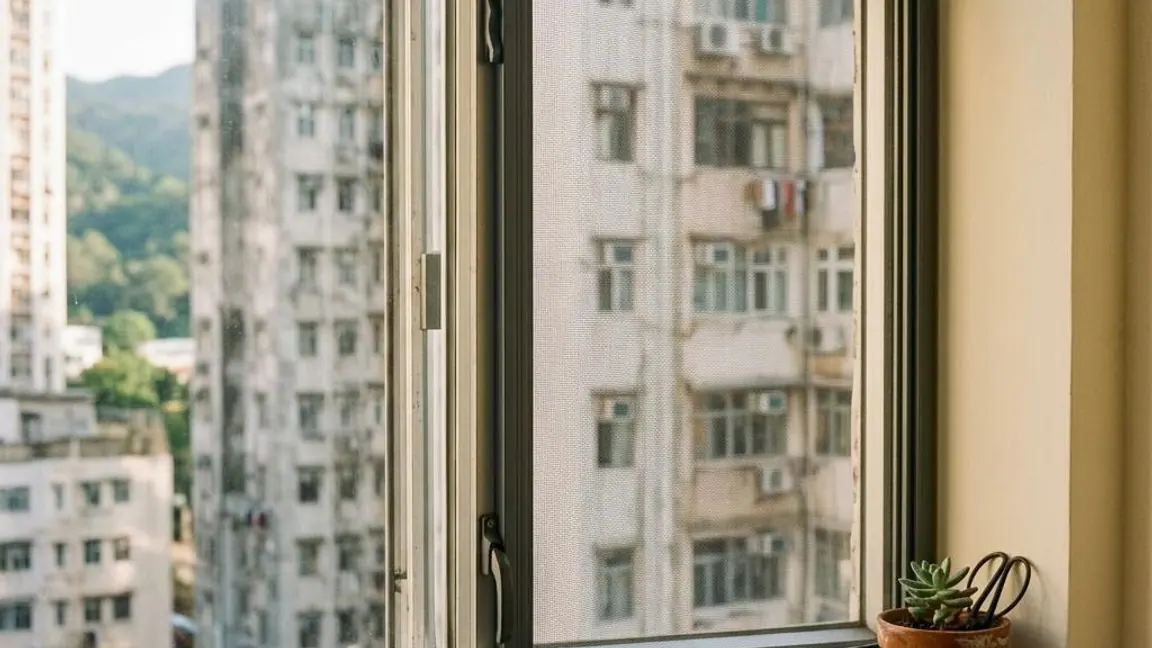
A mosquito screen is a simple and effective protective device that can block mosquitoes and other flying insects from entering your home. They are usually installed at window and door openings, allowing indoor spaces to remain ventilated while preventing mosquito intrusion. When choosing a mosquito screen, the factors you need to consider include the material, size, installation method, and whether it has additional protective functions.

Types and materials of mosquito screens

Mosquito screens are made from a variety of materials, including nylon, metal, fibreglass and polyester. Choosing different materials will affect the mosquito screen's strength, durability, and ease of cleaning and maintenance.

Nylon:Nylon insect screens are the most economical choice. They are lightweight and easy to install, but nylon is not very durable and may tear or be damaged in the short term.

Metal:Metal insect screens are usually made of aluminium or stainless steel. They are very sturdy and durable, but may require professional installation, and the price is higher.

Fiberglass:Fiberglass insect screens have a sturdy structure and strong resistance to sunlight and water, and they are also relatively easy to clean and maintain.
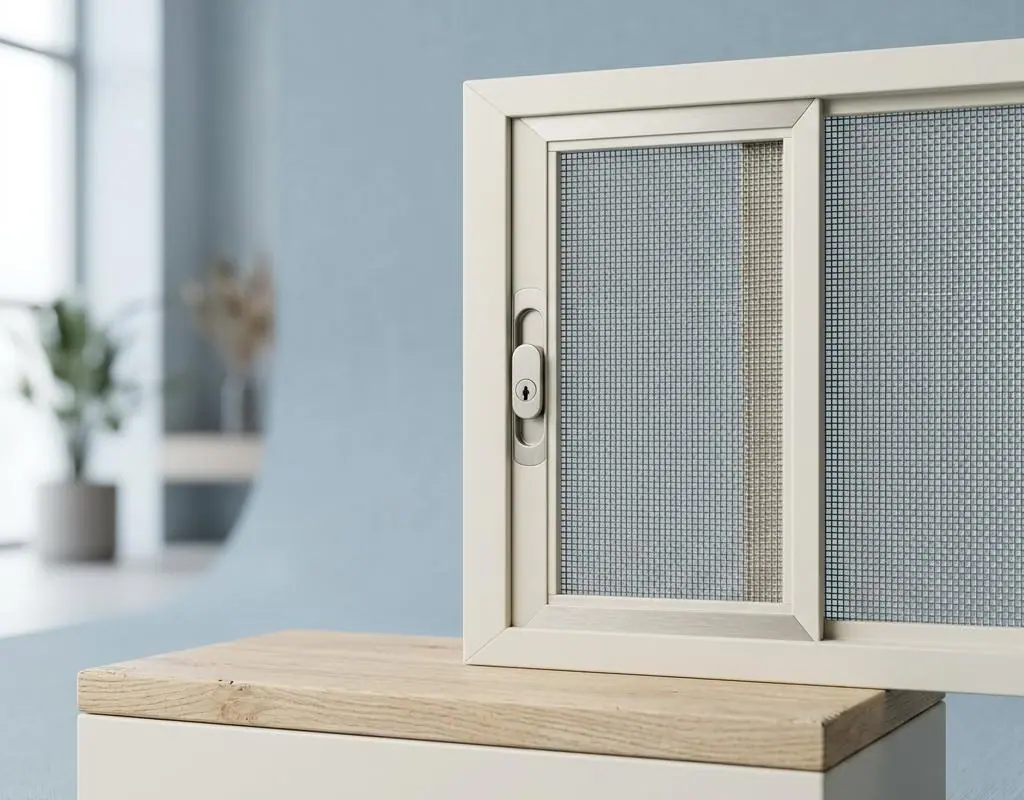
Polyester fiber:This material insect screen is thinner and softer, suitable for making movable or foldable insect screens, making it convenient to use and store.

How to choose the right size and colour

The size of a mosquito screen should be selected according to the size of your windows and doors. You need to make sure the mosquito screen fully covers the opening to prevent mosquitoes from entering through gaps. In addition, colour selection is also an important consideration. Light-coloured mosquito screens make it easier for you to spot mosquitoes or other insects on them, while dark-coloured mosquito screens can provide better visual concealment and sun protection.

Consider the installation method

The installation method of mosquito screens is also an important factor in choosing one. Fixed mosquito screens need to be secured to windows or doors; once installed, they are not easy to move, but they offer better protection. Removable mosquito screens are easier to install and remove, making them suitable for short-term or seasonal use.

Additional protective functions

Some insect screens also have extra protective functions, such as UV protection, anti-mildew, and fire resistance. If you live in an area with high UV exposure or high humidity, or if you have children or pets at home, you may need to consider these extra protective functions.

When choosing an insect screen, there are many factors you need to consider, including the material, size, installation method, and whether it has additional protective functions.

Frequently asked by readers

FAQ

3 FAQs related to this article
Q1What is the difference between cat screens and insect screens?

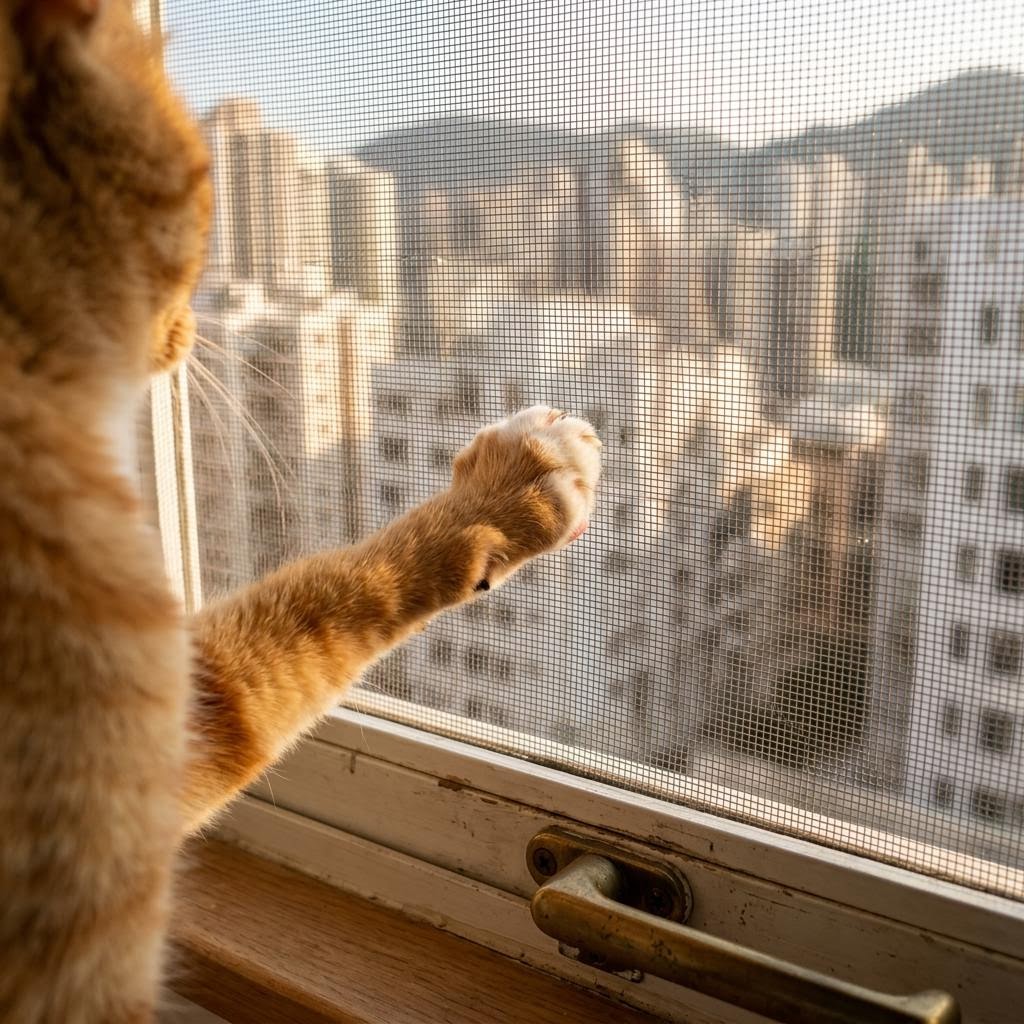
Mosquito nets are mainly used to prevent mosquitoes and insects. The mesh is relatively fine but is not necessarily claw-resistant, and it is not a pet barrier either; cat screens mainly use more claw-resistant materials or structures, and are used to reduce the chance of cats contacting the outside of the window. Most styles also have mosquito-prevention functions.

Q2Can a general insect screen be used as a cat screen?

Not recommended. Standard insect screens are designed to keep insects out, and cats can scratch through or push them open. If there are cats at home, please choose cat screens.

Q3How do you compare ordinary high-definition and Japan ultra-clear retractable insect screens?

HD insect screens are $800 per window and $1,300 per door; Japanese ultra-high-definition insect screens are $1,500 per window and $2,500 per door. They should be compared according to transparency, opening and closing, cleaning needs, size and fixing conditions; sizes beyond the included range require separate quotation. Old booking service records only prove insect-proof use, and cannot be used to claim 22-mesh, 48-mesh, scratch resistance or cat-safe level; households with cats must be separately assessed.

View all FAQs

Continue reading

Related guides

Handled by dedicated staff

Related services

View full price list

Professional assistance

Want to learn about Mosquito net installation?

Send us photos of the installation location so we can understand the style, measurement and quotation arrangements.

The button will only open WhatsApp and prefill a message; it will only be sent after you confirm it.