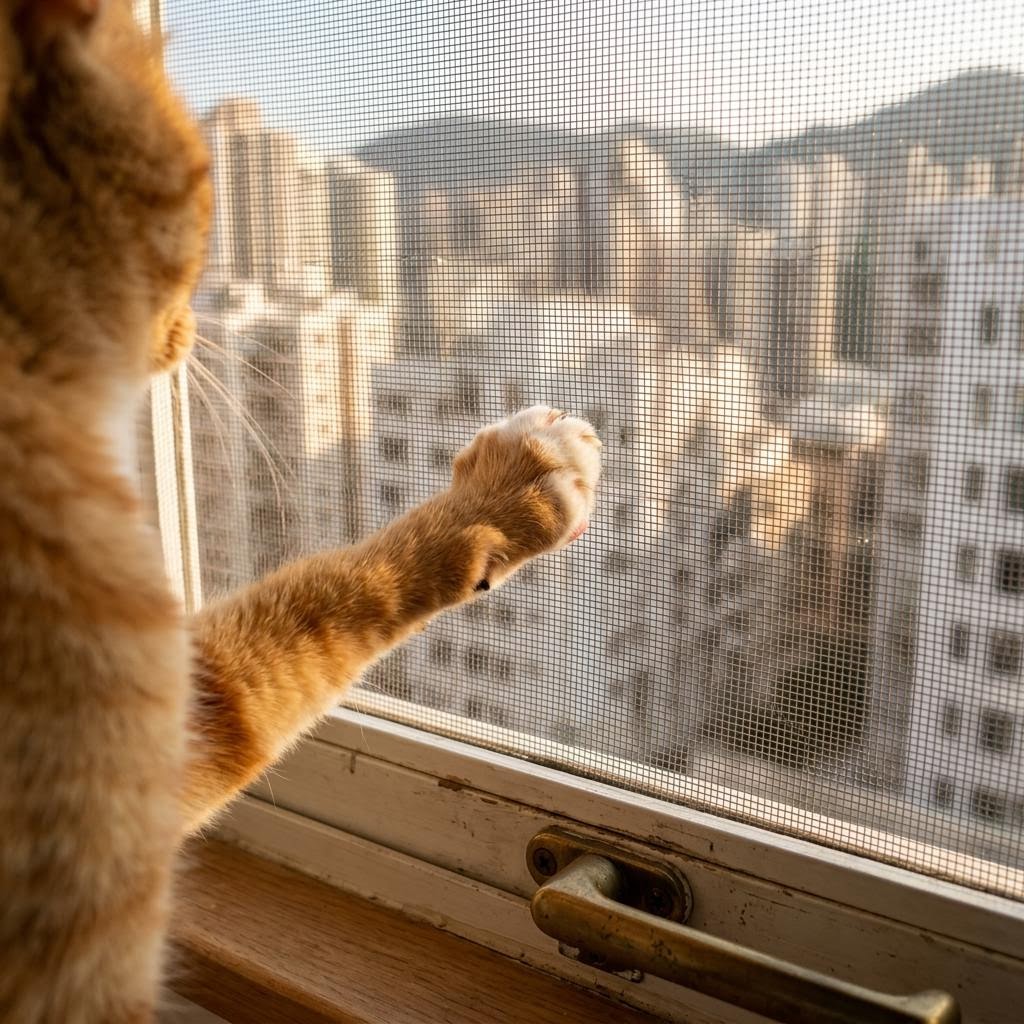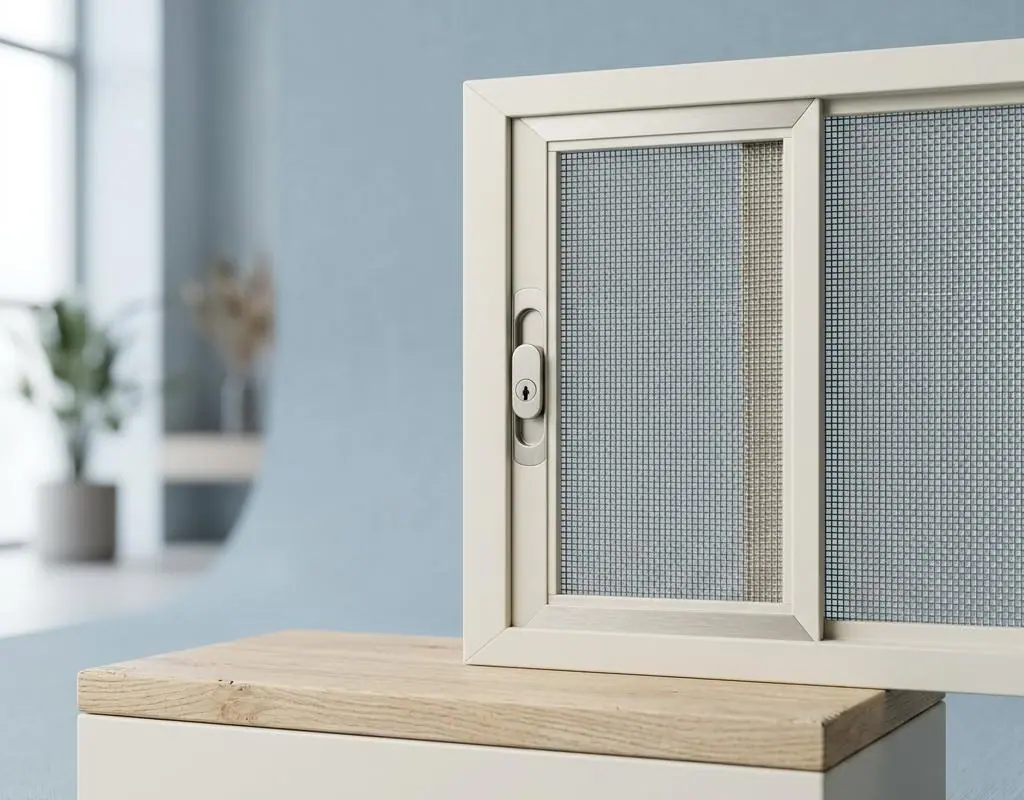
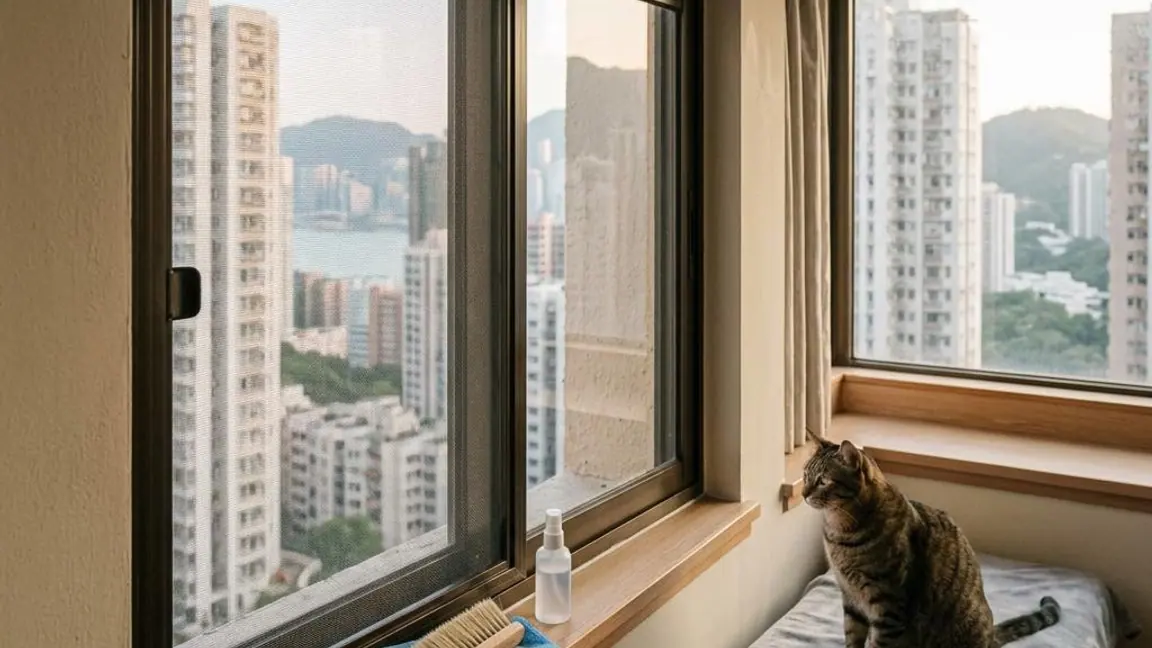
As an important installation for protecting cats’ safety, cat screens not only allow cats to enjoy fresh outdoor air, but also prevent accidental escape. However, over time, cat screens may be affected by dust, dirt and other environmental factors, so regular maintenance and cleaning become especially important. This article will introduce methods for maintaining and cleaning cat screens, helping cat owners keep their cat screens in good condition and ensure their cats’ safety and health.
Regular inspection of cat screens
Regular inspection is the first step in maintaining cat screens. It is recommended to conduct a thorough inspection every month, checking the integrity of the mesh and ensuring there are no damaged or loose areas. In particular, after strong winds or heavy rain, the cat screen should be checked more carefully to prevent weather factors from causing damage to it. In addition, check whether the fixing devices of the cat screen are secure. If problems are found, repair or replace them immediately to ensure the safety of the cat.
Steps for cleaning a cat screen
The method for cleaning a cat screen is relatively simple, but attention to detail is needed. First, use a soft brush or a vacuum cleaner to remove dust and hair from the cat screen. For dirt that is harder to clean, you can gently wipe it with a diluted neutral detergent and a damp cloth, and avoid using overly harsh chemical cleaners so as not to harm the cat.
After cleaning, use clean water to thoroughly rinse away the cleaning agent, ensuring that no residue remains. Finally, let the cat screen air-dry naturally, avoiding high-temperature direct sunlight, so as not to affect the quality of the mesh material.
Pay attention to the cat screen environment
The environment where the cat screen is installed will also affect how easy it is to maintain and clean. In places with direct sunlight, the cat screen may fade due to ultraviolet rays, so it is recommended to move the cat screen regularly or use shading items to protect the mesh material. In addition, avoid installing cat screens in damp or rainy environments, as this can reduce the chance of mould and corrosion.