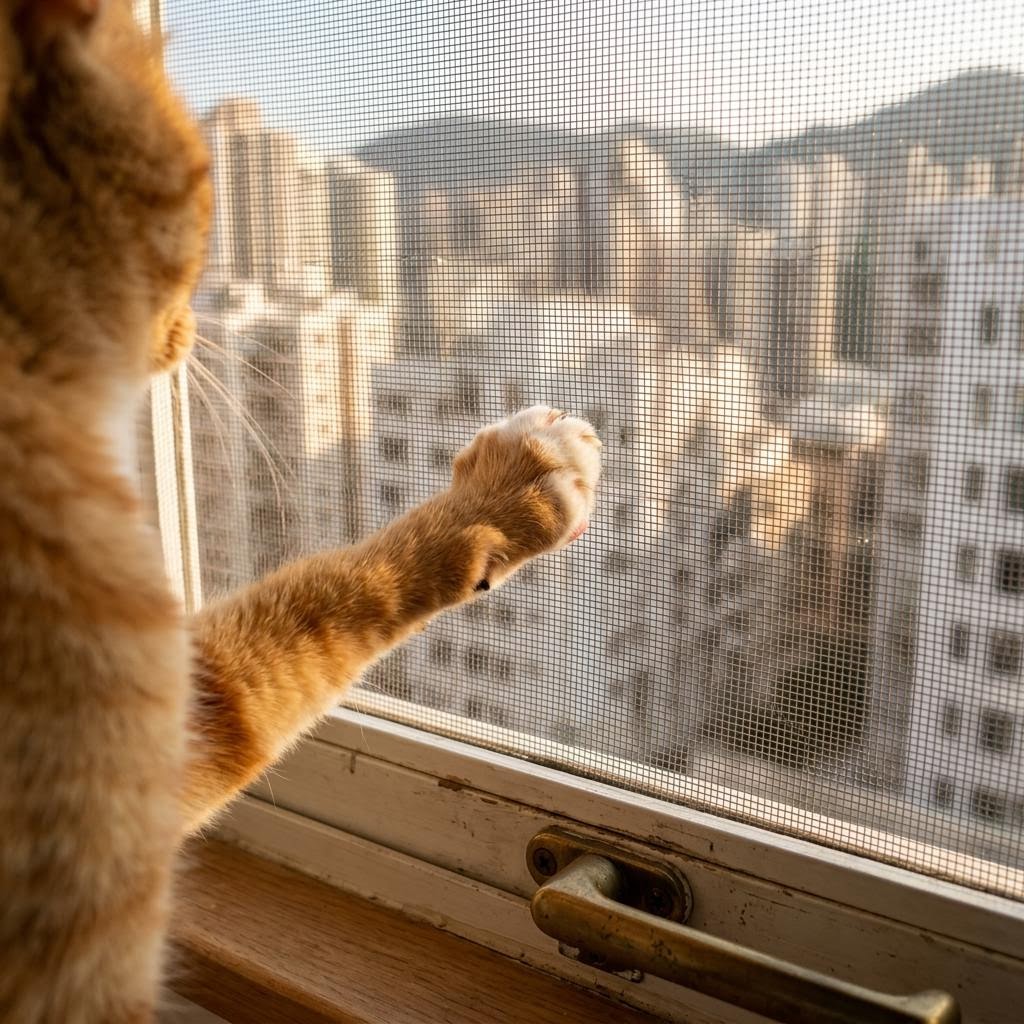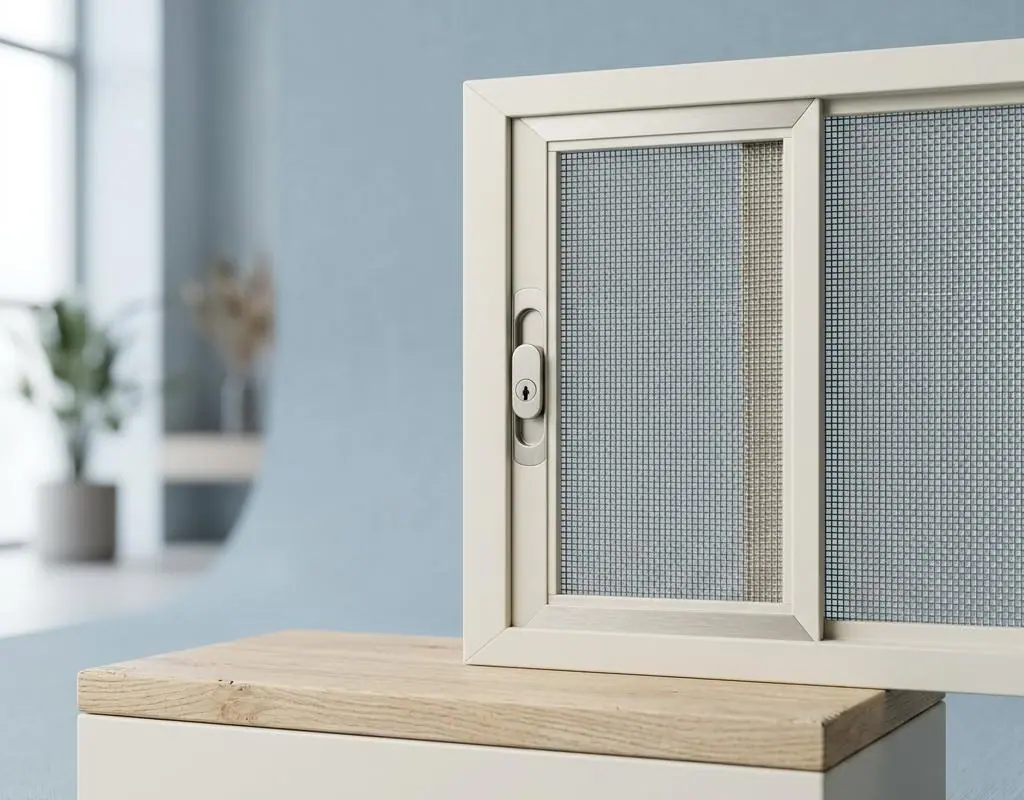
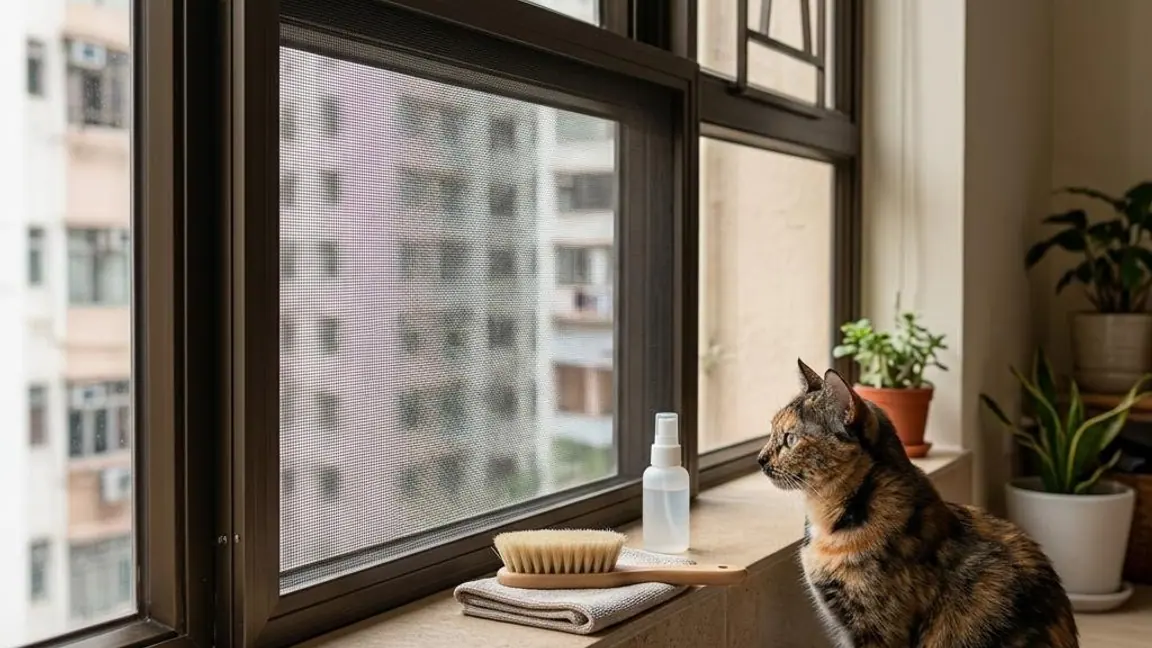
As cats become an indispensable part of the family, cat screens have gradually become essential items for every cat lover. Cat screens not only provide a safe play space for cats, but also effectively prevent the dangers cats may face when outdoors. However, cleaning and maintaining cat screens are equally important to ensure cats' health and safety. This article will introduce some effective cleaning and maintenance tips to help you keep your cat screens clean and ensure long-term use.
Importance of regular cleaning
Regularly cleaning cat screens is a basic step in maintaining your cat's health. A cat's fur, dander, and other dirt can easily accumulate on cat screens. If not cleaned in time, it may lead to allergies or other health problems. It is recommended to carry out a thorough cleaning at least once a week, especially in areas where the cat screen is used frequently. This not only keeps the environment hygienic, but also makes your cat's activity space more comfortable.
Basic steps for cleaning a cat screen
1. Remove debris: Before cleaning, first remove toys, cat beds and other items from the cat screen. This will make comprehensive cleaning more convenient.
2. Vacuuming: Use a vacuum cleaner to clean the surface of the cat screen, especially the corners and edges, where dust and hair easily accumulate. If the material of the cat screen allows, the vacuum cleaner can effectively remove fine dirt and hair.
3. Wipe the surface: Use a damp cloth or a special cleaner to gently wipe the surface of the cat screen, especially areas that are easily soiled, such as the areas cats frequently touch. Choose a cleaner that is safe for cats, and avoid products containing harmful chemicals.
4. Clean removable parts: If the cat screen has removable parts, such as a cat bed, cushion, or fabric cover, it is recommended to remove them regularly for cleaning. Follow the product instructions and use a suitable cleaning method, and make sure they are thoroughly dry before reinstalling.
Preventive measures
In addition to regular cleaning, taking some preventive measures can also extend the service life of cat screens. First, choose wear-resistant and easy-to-clean materials, such as fabrics that do not easily absorb hair. Second, anti-slip mats can be laid around the cat screens to reduce wear on the cat screens during cats' activities. In addition, regularly check the structure of the cat screens to ensure there are no loose or damaged parts, so as to protect the cats' safety.