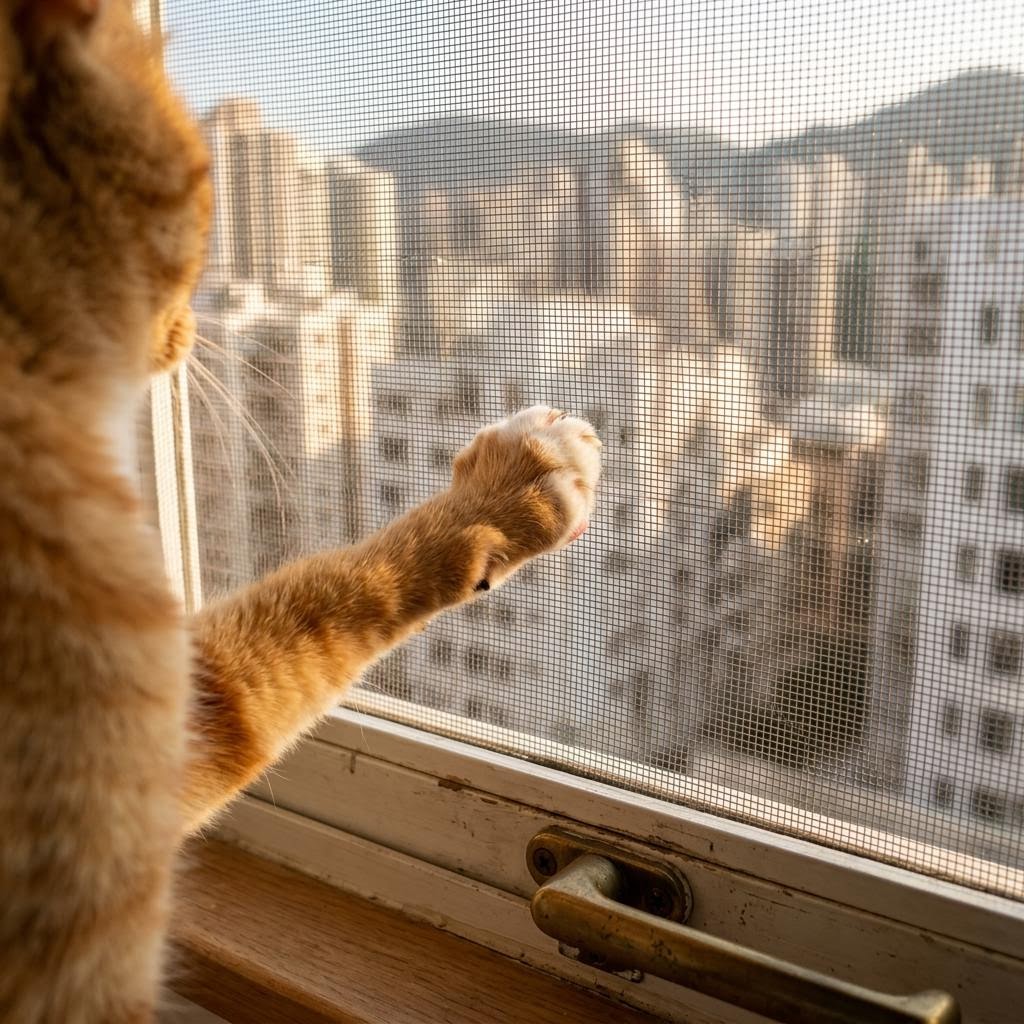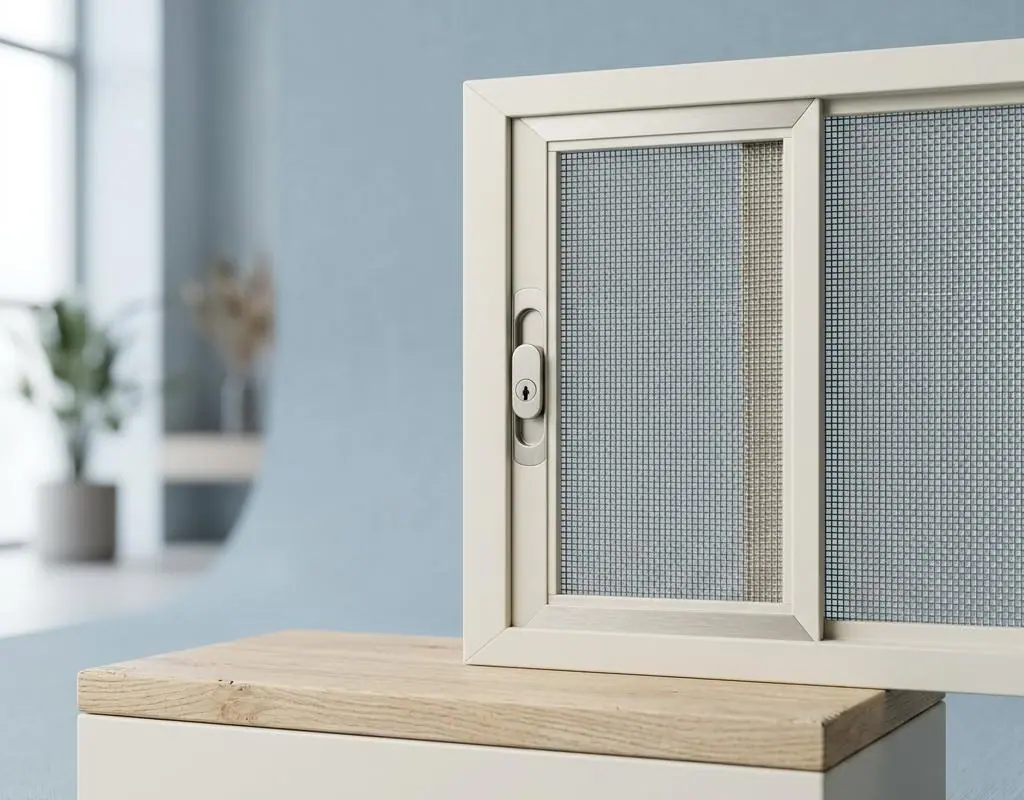
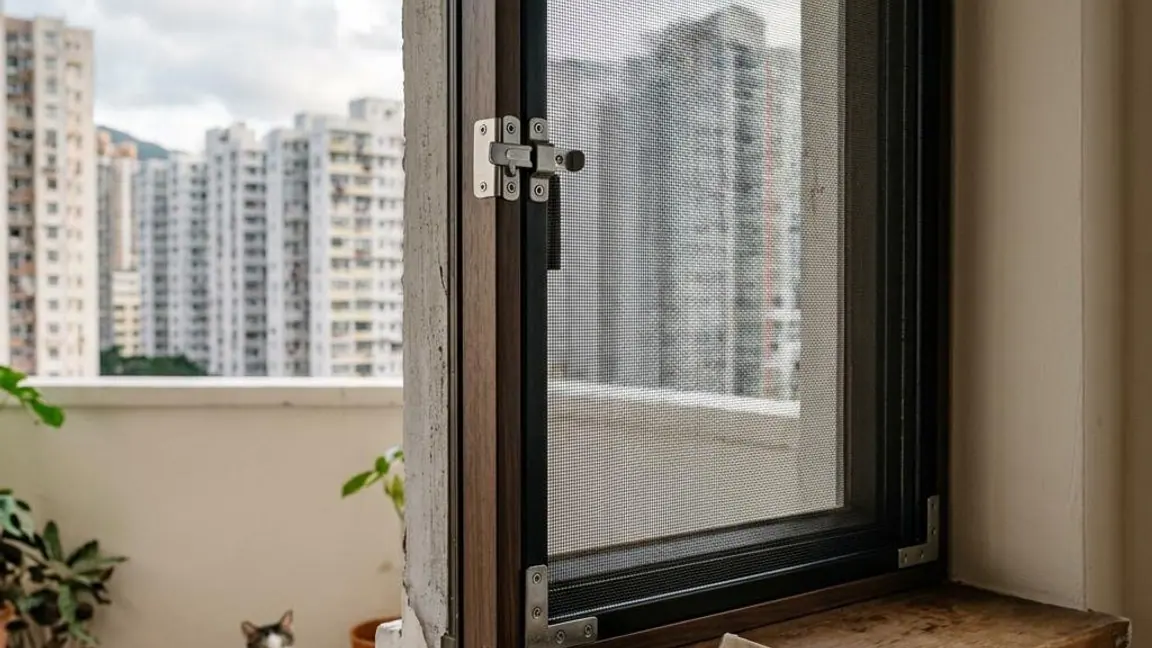
For cat lovers, creating a safe environment for our cats is an important responsibility. Cat screens are a common tool used to prevent cats from falling from heights, but during the installation process, we may encounter some limitations. Below are some factors you may need to consider.
Cat screen installation restrictions | Estate rules
Many housing estates or residential developments have some rules that restrict the way or style in which cat screens may be installed; for example, they may require the color of the cat screens to match the color of the building, or require that the cat screens do not affect the view of other residents.
In this case, you need to take these regulations into account when choosing a cat screen, and choose a cat screen that complies with these regulations, or you may try to negotiate with the housing estate to see whether special permission can be obtained. In any case, before carrying out any installation, be sure to confirm the regulations in your area first, so as to avoid possible problems in the future.
Cat screen installation restrictions | Building standards and safety regulations
In addition to the requirements of the housing estate, you also need to consider building standards and safety regulations. For example, fire safety regulations may require windows to be able to be opened quickly in an emergency, which may affect the way you install cat screens.
In addition, if you live in a historic building or in an urban planning area, there may be more restrictions. In this case, you may need to seek professional advice or obtain special permission.
Cat screen installation restrictions | The material and design of the cat screen
The material and design of cat screens are also factors that need to be considered. Some cat screens may use materials that are not strong enough to withstand the cat's weight or claws. In this case, you may need to choose a stronger cat screen, such as metal mesh or special nylon mesh.