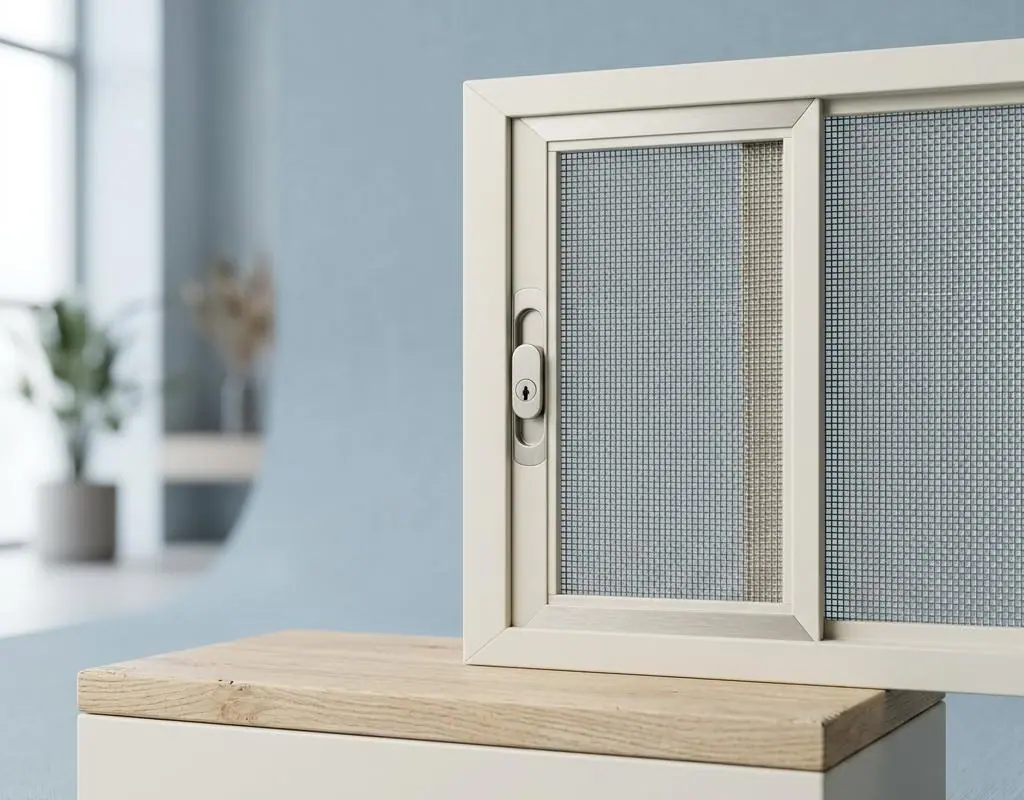
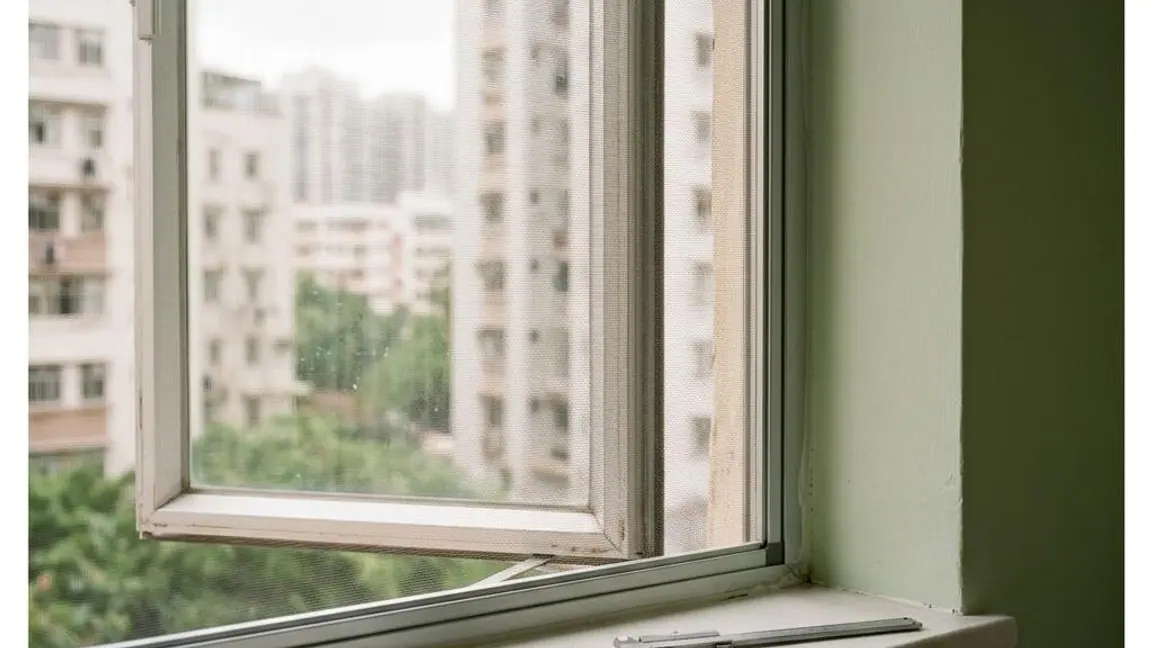
In the hot summer, mosquitoes become a major nuisance for many households. In order to resist the intrusion of mosquitoes and other insects, many people choose to install insect screens. However, insect screens not only prevent mosquitoes from entering, but also affect indoor air circulation. This article will explore the impact of insect screen installation on indoor air circulation to help readers understand the role of insect screens more comprehensively.
1. Basic functions of insect screens
The main function of insect screens is to prevent mosquitoes and other insects from entering the indoor space, safeguarding the health of family members. By installing insect screens on windows and doorways, insect intrusion can be effectively blocked, reducing the risk of mosquito bites. This function is especially important in summer, because the hot and humid environment easily breeds insects. However, installing insect screens will also have a certain impact on indoor air circulation.
2. The impact of insect screens on air circulation
1. Block air flow
In some cases, insect screens may cause a certain degree of obstruction to air circulation. In particular, when the mesh openings of the insect screen are too small or the installation is improper, air may be restricted when entering and exiting, resulting in poor indoor air circulation. This may make the indoor air stuffy and affect living comfort.
2. Improve ventilation efficiency
However, properly installed insect screens can also improve ventilation efficiency. High-quality insect screen designs usually take airflow needs into account, using larger mesh openings to ensure air can flow freely. Such insect screens not only prevent mosquitoes and insects from entering, but also maintain good indoor ventilation, avoiding stuffiness caused by poor airflow.