In home decoration, curtains play a very important role. A suitable set of curtains can not only provide privacy protection, regulate light, and maintain indoor temperature, but also add style and atmosphere to the space. However, choosing the most suitable curtain material for you may be a challenge, as many factors need to be considered, including the environment, style and maintenance requirements. This article will take you deep into the world of curtains, explore the characteristics of various curtain materials, and provide practical maintenance methods.
Choosing curtain materials
cotton curtains
Cotton curtains are one of the most common choices. This material is light, durable and easy to clean. Cotton curtains have a natural feel and come in a variety of colors and patterns to choose from. However, fabric curtains may not be suitable for environments that require light filtering or sound insulation, because their material is usually thinner.
Silk curtains
Silk curtains have a luxurious and elegant touch, creating an elegant and refined atmosphere. However, silk material is easily affected by sunlight and fades, and it requires professional cleaning, so it may not be suitable for active or dusty households.
Linen Curtains
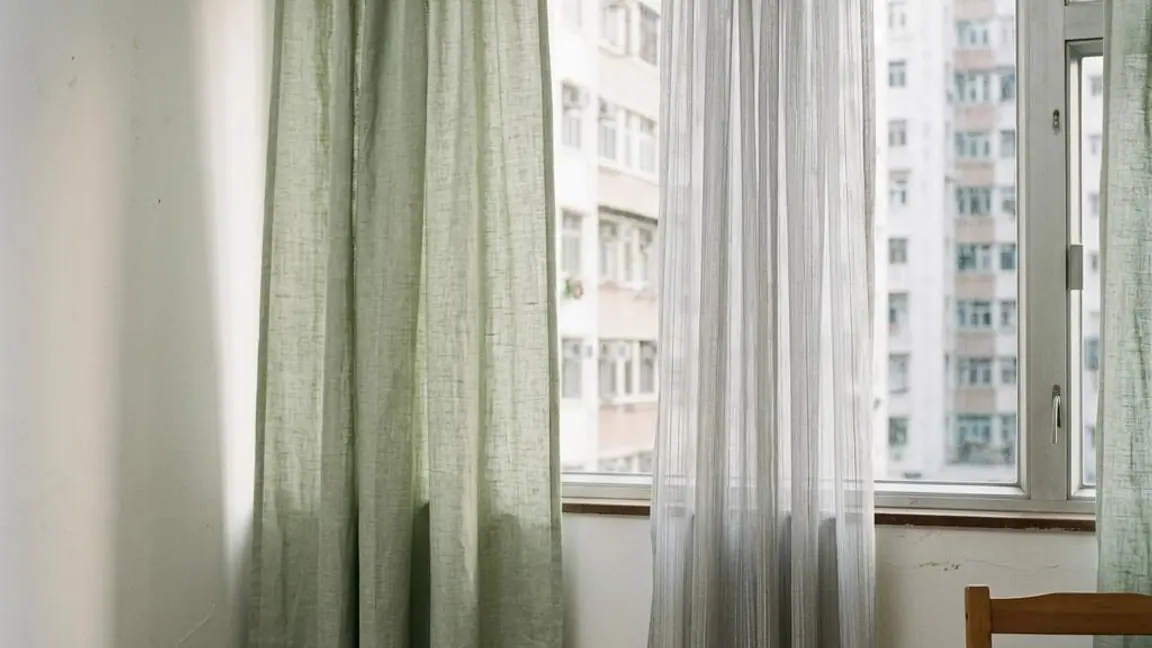
Linen curtains are a natural, eco-friendly choice. This material has a coarse texture and natural tones, creating a cosy and spacious atmosphere. Linen curtains are not prone to wrinkling and are easy to clean, but they may not be suitable for environments that require complete blackout.
Blackout curtains
The main feature of blackout curtains is that they can effectively block sunlight, making them suitable for spaces that need complete blackout, such as bedrooms or home theatres. In addition, blackout curtains also have good sound insulation, but note that blackout curtains may require professional cleaning, and the material is relatively stiff, so they may not suit all styles.
The characteristics of curtain materials
Blackout performance