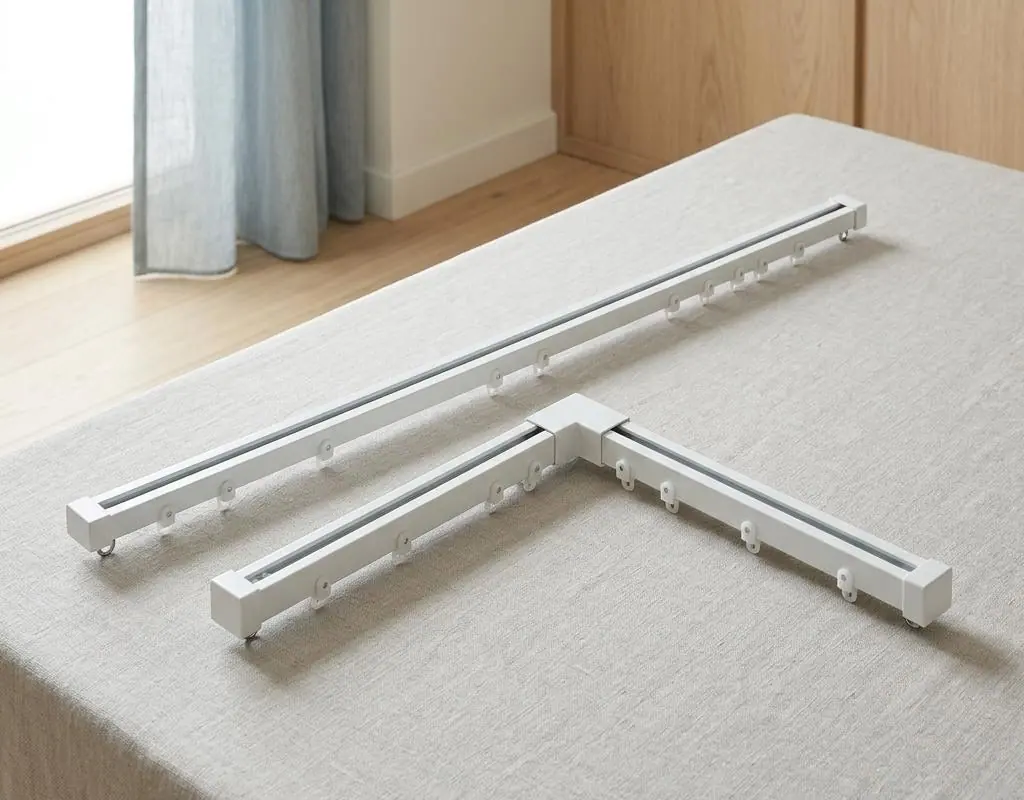
Choosing and installing curtains is an important part of the renovation process. Suitable curtains can not only beautify the home environment, but also provide practical functions such as light blocking and heat insulation. However, the installation height of curtains is a detail that many people easily overlook, yet it can determine whether the overall window treatment effect is perfect. This article will introduce in detail the standards and techniques for curtain installation height, helping you create your ideal home space.
Standard for curtain installation height
Generally speaking, the installation height of curtains should be measured from the floor and kept at an appropriate distance. This range can not only cover the entire window, but also maintain a good view and not affect daily life. However, for different types of windows, the best installation height will also vary:
1. Floor-to-ceiling windows: Since floor-to-ceiling windows are usually taller, the installation height of the curtains should be slightly higher. This not only can cover the entire window, but also can create a broader and more open visual effect.
2. Top-hung windows: These windows are usually located close to the ceiling, so the curtain installation height should be close to the ceiling. This can both cover the window and avoid affecting the window opening.
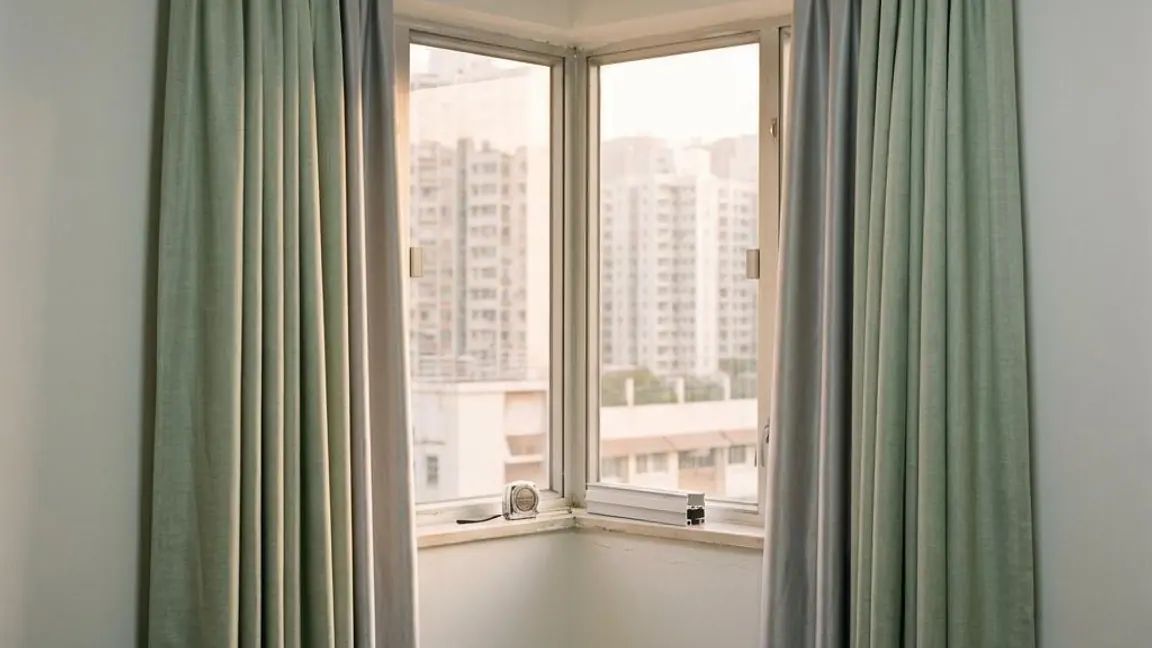
3. Bay window: For windows with a bay window ledge, the curtain installation height is best set above the ledge. This not only covers the entire window, but also highlights the decorative effect of the bay window ledge.
Determine the best installation location
In addition to following the above installation height standard, in actual installation, you also need to determine the best installation position according to the specific size and location of the window. Generally speaking, the curtain installation position should be slightly wider than the window, so that it can fully cover the window and will not obstruct opening and closing.