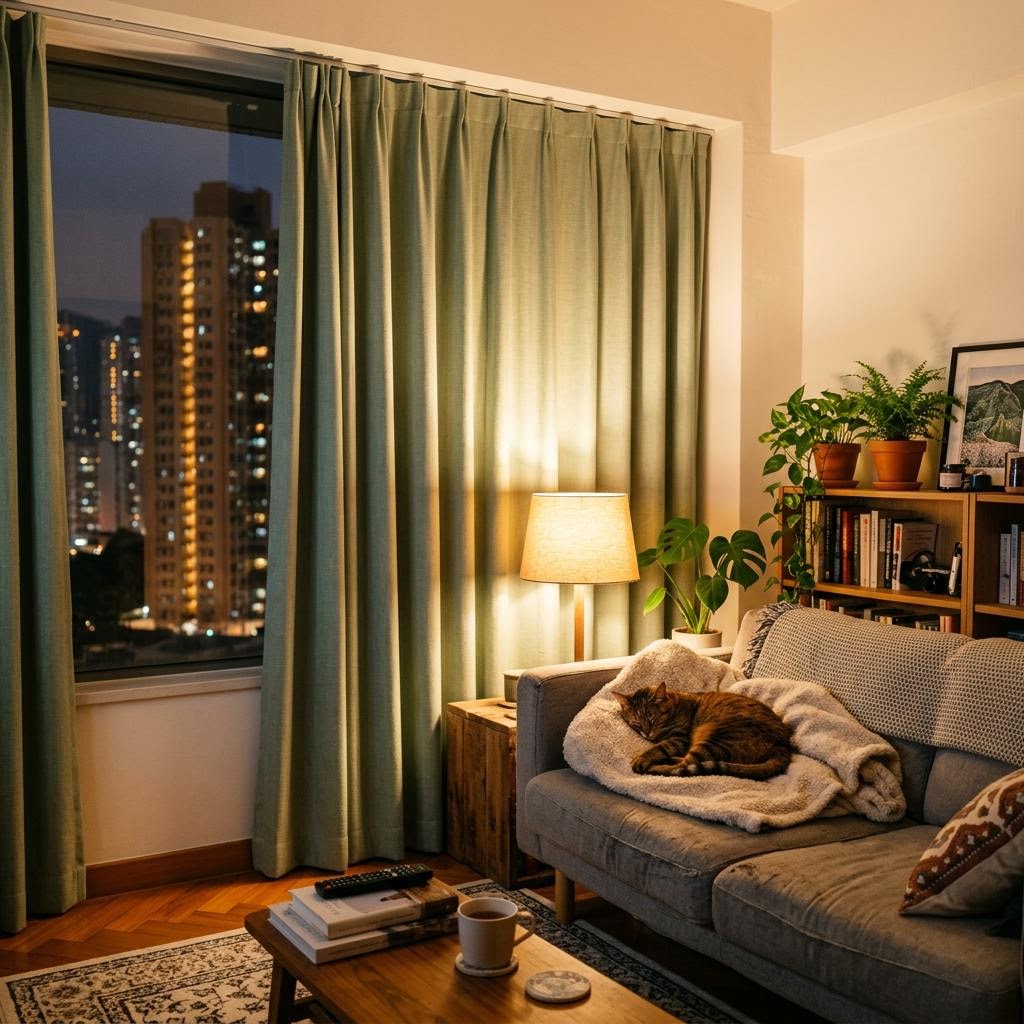

In the hot summer and cold winter, the thermal insulation performance of curtains plays a crucial role. A good blackout curtain can not only block external heat from entering the room, but also keep the room warm, creating a more comfortable living environment for residents. This article will explore in depth how to improve thermal insulation performance during curtain installation and share some practical tips to keep your room in the best state of warmth retention at all times.
Curtain materials and thermal insulation effects
The material of curtains directly affects their heat-insulating performance. Generally speaking, thicker curtain fabrics, such as velvet and polyester fibre, have better heat-insulating effects. These curtains can effectively block heat conduction and reduce heat exchange between indoors and outdoors. In contrast, light curtain fabrics, such as gauze or thin cotton, have weaker heat-insulating performance and are suitable for spaces that are cool in summer. Therefore, when choosing curtain materials, be sure to assess and weigh them according to the local climate and personal needs.
Tips for Curtain Installation
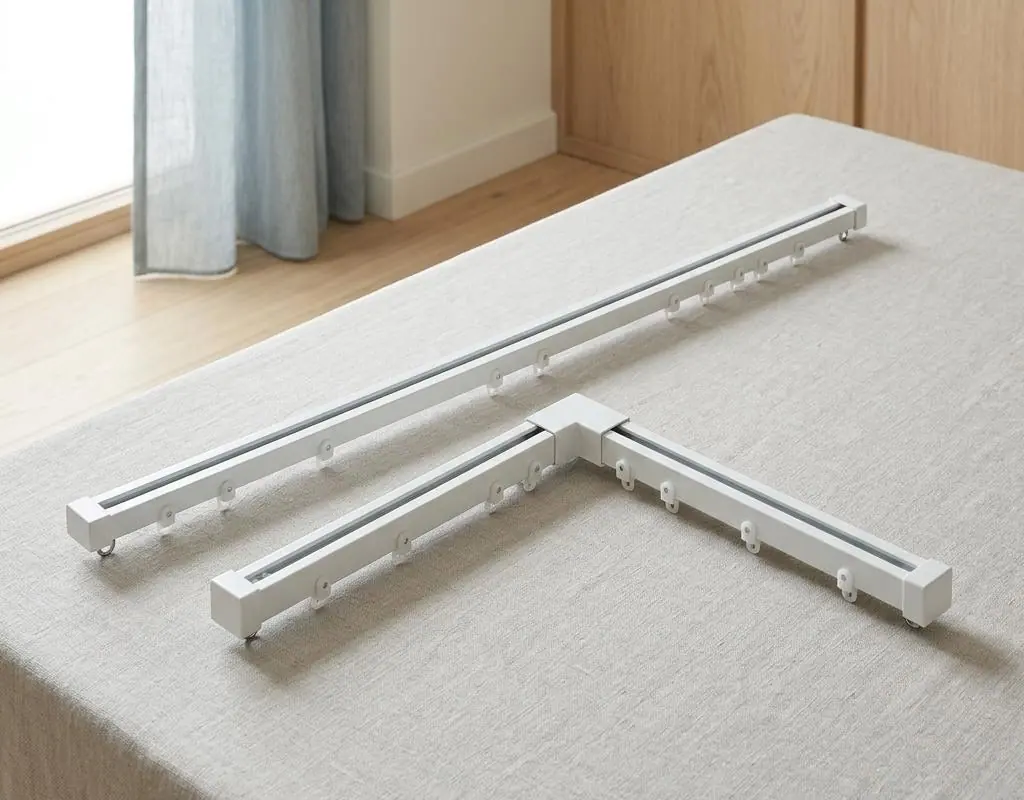
In addition to the material, the way curtains are installed is also an important factor affecting thermal insulation performance. First, the curtain size must be measured precisely to ensure the curtains can fully cover the window and reduce heat loss through gaps. Second, the curtains should be installed at the outermost edge of the window frame, fit the window closely, and be fixed with sturdy tracks or rods to avoid looseness. In addition, choosing the right material for curtain tracks or rods is also crucial; it is recommended to use aluminium alloy or stainless steel products, which can improve overall structural stability. Finally, for large windows, a double-layer or multi-layer curtain design can be considered to further enhance the thermal insulation effect.
Balance between blackout and heat insulation
It should be noted that improving the curtain's heat insulation performance usually reduces its blackout performance. Therefore, when choosing curtains, you need to seek the best balance between blackout and heat insulation. Some advanced blackout curtains, such as those with a double-layer or sandwich design, not only have excellent blackout effects, but can also provide good heat insulation functions. In addition, pairing with auxiliary devices such as sunshade curtains or blinds can also effectively improve the overall blackout and heat insulation performance.