As temperatures rise, mosquitoes and other annoying insects also become active. To avoid insect bites, many people choose to install insect screens. Insect screens are a very effective protective method, but choosing the right size can be troublesome. In this article, we will take an in-depth look at how to choose and install the right insect screen size for you.
Types of mosquito screen sizes
Mosquito screens come in various sizes to suit spaces of different sizes and shapes. Below are four of the most common mosquito screen size types:
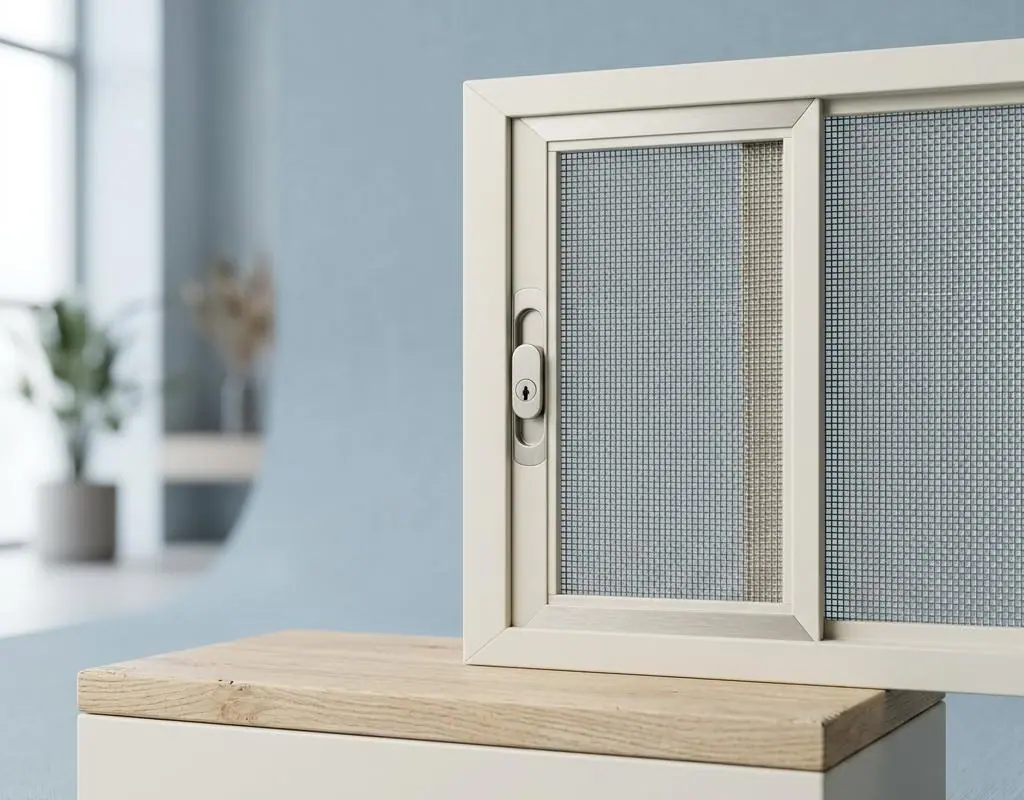
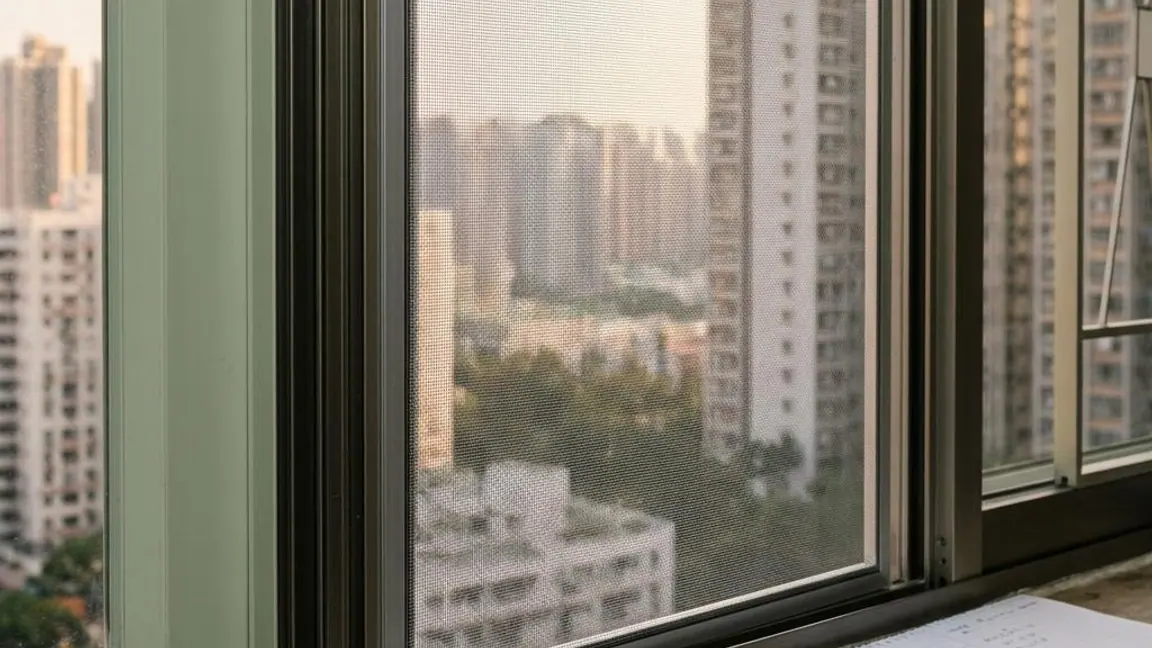
Window insect screen:The size of window insect screens is usually customised according to the size of the window. Common sizes include 24x24 inches, 36x36 inches, and 48x48 inches, but they can also be customised according to the actual size of the window.
Door insect screen:Door insect screens are usually larger in size to suit the size of the door, with common sizes such as 36x80 inches and 48x80 inches, and can also be custom-made according to the actual size of the door.
Bed mosquito screen:The size of the bed mosquito screen should be chosen according to the size of the bed. A single bed often uses a size of 90x190cm, while a double bed may require 150x200cm or a larger size.
Outdoor insect screens:The size of outdoor insect screens is customised according to the needs of the usage environment, such as camping tents or outdoor dining areas, and the size is usually larger than indoor insect screens.
How to choose the size of an insect screen
When choosing the size of an insect screen, you need to consider the following important factors:
Space size:First, you need to determine the size of the space to be covered, including measuring the length, width, and height of the space. These dimensions will determine the size of the insect screen you need.